


When I was younger, my parents placed me in pretty much every organized activity under the sun. Whether it was figure skating practice, Japanese school, or going out of town on weekends for my brother’s hockey tournaments, my household was not one that was without schedule. My family was always on the go and it truly was a team effort to make sure that my brother and I were able to get to various locations around the city to participate in all of our activities. I would go straight to figure skating practice after school and get home just in time to catch a glimpse of my brother leaving the house to get to hockey practice. My mom would sit in the freezing rink to watch me practice, filming me and giving me critiques on the car ride home. My dad was the coach of my brother's hockey team, and would come home after a long day of work only to help my brother load up his equipment into the car and head towards the rink. It was chaotic, but it was all we had ever known.

Figure skating is one of the most expensive sports to participate in; whether it’s the costly private lessons, expensive equipment, or overpriced ice time, it is definitely not an accessible sport. In order to keep up with everyone around me, my parents found themselves enrolling me in pilates classes, investing in the best boots and blades on the market, and splurging on rhinestones for my various skating dresses.
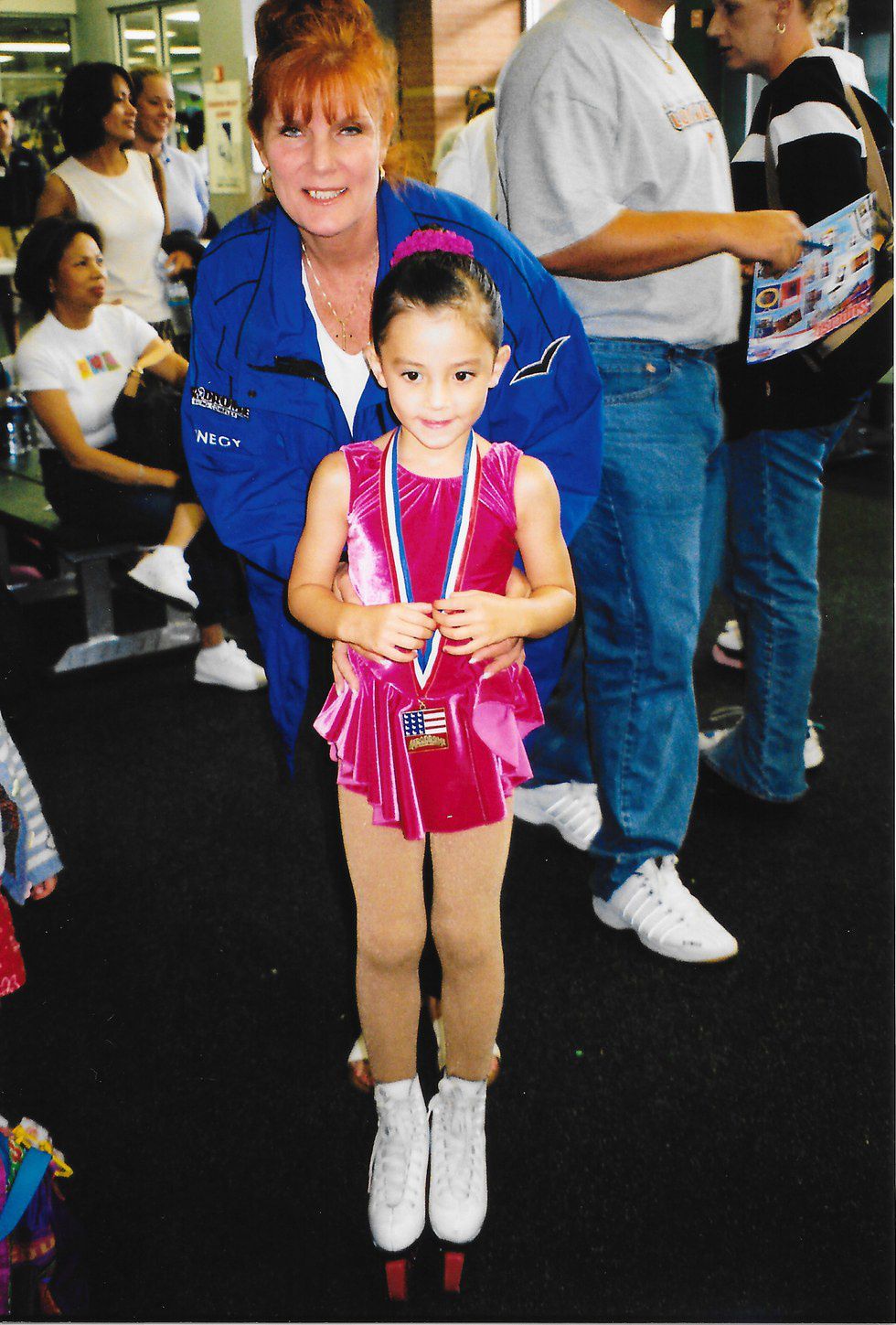
I also attended Japanese school on Saturdays, and though I can vividly remember dreading to go every week, my parents insisted that it would benefit me in the long run. I realize how fortunate I am to have parents that never treated this concentration of resources as a burden… though I’m sure that they had to make many sacrifices to ensure my success. Not only were my activities financially a burden, I also had to be driven to early morning practices, had to be helped on my homework, and my parents were also victim to my endless string of complaints. Though a lot of my childhood was spent dedicated to various activities, the rewards I reaped were not necessarily gold medals or details to put on a resume. Instead, I gained things like the ability to persevere, time management, self discipline, a sense of confidence when interacting with authority figures… the list goes on. My structured upbringing led me to become the person I am today, and the life skills I gained from these activities are something that I know will stay with me forever.
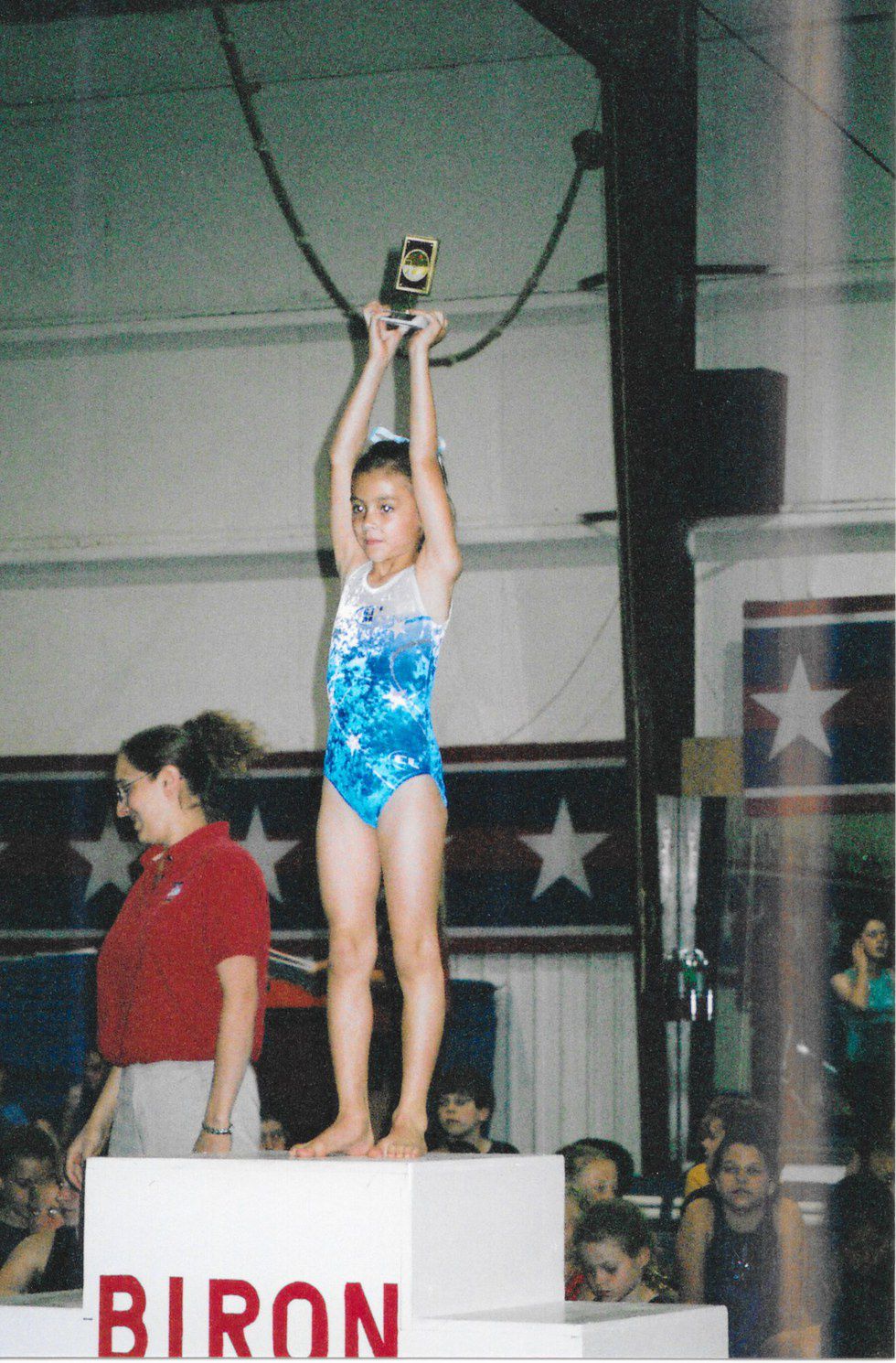
In my sociology class, we learned about a concept called concerted cultivation. Concerted cultivation is method of parenting in which a parent places a child in numerous organized activities in order to expand or hone in on their skills and talents. These children learn things that aren’t taught in school; parents that raise their children in this way encourage their kids to think critically. These parents read to their children, spend time driving them to various organized sports, and overall impart a sense of schedule and structure to their kids’ lives. The skills acquired through concerted cultivation positively influence kids’ performances in school as well as in the working field because these children grow up a sense of structure that is essential for superior performance in school. These parents use all of their resources to ensure that they are “cultivating” their children to reach their potential. This method of parenting style can be associated with middle and upper class families because these are the families that can afford to place their children in these various activities. Since middle and upper class families aren’t financially hanging by a thread, they have the ability to spend the time with their children in order to expand on their skills and talents.

In contrast to this, lower class families tend to lean towards a style of parenting knowing as natural growth. Natural growth is a method of parenting in which kids have unstructured time and have less access to out of school activities. These working class parents have less time to dedicate to their children and do not overschedule their kids’ time because they generally do not see it as essential. These parents have a more authoritarian method of parenting in which kids are raised with a negative perception of authority because their discipline tends to be non-negotiable. These kids, while able to take commands, do not develop critical thinking skills outside of school and therefore enter the working world thoroughly unprepared in comparison to their middle/ upper class peers. Because of this, upper class children tend to appear more intelligent than their lower class peers, simply because their parents made organized activities an essential part of their kids’ upbringings.

Working class children are often unprepared when they go through school and navigate the job market because they do not have the same experiences or opportunities that upper class children received and their unstructured childhoods fail to prepare them for a structured school environment. These differences in parenting styles show how winning the ovarian lottery when born and being born into a middle or upper class household can be completely formative for one’s success in adult life. It feels unfair that between two people with equal potential and aspirations, one might have a particular advantage over the other due to economic class. If I was born into a working class family would I still be at the place that I am now? Is my success rooted in the sheer luck of being born in a middle class family? This discrepancy is something for us to consider when thinking about our future children and also about the future of our country. We know that there is a discrepancy between economic classes and since we are aware of the problem, we should do something to fix it.