As my softball career comes to an end in a matter of days as I approach my last summer tournament, I have had ample time to reflect on the wonder that is summer sports. I have played a handful of sports throughout my life including soccer, baseball, lacrosse — for about two weeks — tennis, swimming, basketball, softball, and, most recently, collegiate rugby. Out of all of these sports, softball has been the sport that has challenged me the most, scared me the most, and brought me the greatest friends in the world.
I grew up playing Little League baseball in my hometown with all of my friends. As we grew older, more girls began the transition to softball, an up-and-coming division of youth sports in town. I, however, did not want to leave the baseball arena just yet. I enjoyed the competition of playing with the boys, I traded my baseball cards with my teammates, and I hit as well as any other kid in the league. My time was coming, however, and when I turned 12 I left baseball and joined girls’ softball.
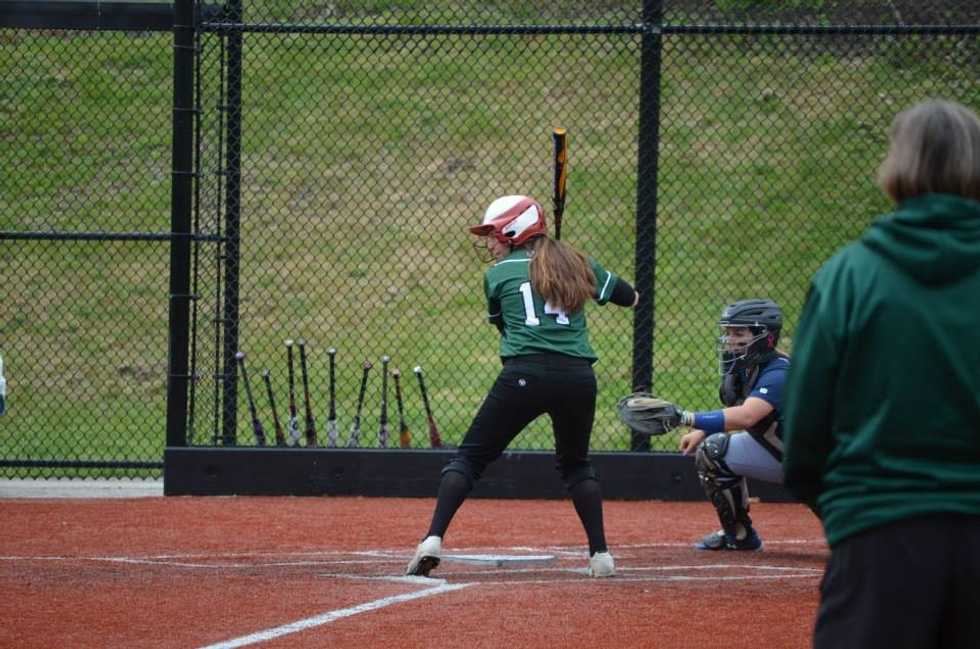
I considered myself the best player in town and had the statistics and reputation to prove it. My team was in the finals for town playoffs each year, and I was learning how to keep improving and avoid being stagnant with my skills. When I entered the ninth grade at a new high school, softball tryouts came around. I was dreading them. At 14 years old, I thought softball had become boring. But much to my chagrin, I tried out for the team. I told myself that if I made varsity I would play, but if not then I’d just work out and get ready for the next basketball season. I made varsity, and so began my four-year struggle with softball. My freshman year was plain stress. I was nervous to play with kids far older than me, and I was going crazy every practice to impress the coach. I began experiencing pain in my throwing arm, specifically my shoulder. After going to a doctor, I was forced to sit out for the whole season.
Fast forward to sophomore year, and the same pain arose. The same process ensued, and I played games sparsely over the course of two months. Some days I would not practice. I would sit out or catch balls thrown at me because I couldn’t throw due to pain. Junior year was no different. Pain shot through my shoulder with any throw I made. Batting became painful as well. Couple this with the pressure of the recruiting process beginning for college softball, and I simply was a mess. I had terrible field and hitting performance, and I felt my future softball career slipping out of my fingers. At the beginning of my senior year of high school, I had enough.
After going in and out of doctors’ offices for three and a half years, my shoulder was screaming to be checked again. I had trouble lifting my school backpack off the ground, reaching for things on shelves or even making my bed. I finally got an MRI, and I was told I had a complete labrum tear and a complete rotator cuff tear. Both of these were said to have been torn in my freshman year of high school. To put this in perspective, I had played three seasons of softball, three seasons of basketball, and three seasons of summer softball, all without any intact shoulder ligaments. Needless to say, I was hurting.
My shoulder surgery at the beginning of September 2013 sort of sealed my college softball career shut. Many schools that may have pursued me or considered me for their softball programs now closed their doors to me, and politely said they could not risk a spot on an injured player who was a big question mark. I understood. But what I could not wrap my head around was how I had spent three and a half years ripping my shoulder apart and giving it all I had just for some college coaches to reply with a simple email ending my softball career. I understood their reticence to choose me, but I was still angry: angry at the coaches, angry at myself for getting in this mess, angry at the doctors who had misdiagnosed my injury for three years, and angry at softball for consuming my life.
This lengthy story of mine is summarized neatly in John Smoltz’s Hall of Fame speech given this week during his induction to the Hall. Smoltz, a renowned pitcher for the Atlanta Braves, had Tommy John surgery to repair his elbow during his career, and is the only player ever to be inducted to the Hall having had this surgery. During his acceptance speech, he had this to say about youth sports and the new pressures young kids face as they build their careers:
“I want to encourage the families and parents that are out there that this is not normal to have a surgery at 14 and 15 years old. That you have time, that baseball is not a year-round sport. That you have an opportunity to be athletic and play other sports. Don’t let the institutions that are out there running before you guaranteeing scholarship dollars and signing bonuses that this is the way….
I want to encourage you, if nothing else, know that your children’s passion and desire to play baseball is something that they can do without a competitive pitch. Every throw a kid makes today is a competitive pitch. They don’t go outside, they don’t have fun, they don’t throw enough — but they’re competing and maxing out too hard, too early, and that’s why we’re having these problems. Please, take care of those great future arms.”
Smoltz hits the nail on the head here. Like I said, I felt I was “maxing out too hard, too early” with softball in my first year of high school. It’s not just me, it’s the majority of kids today playing any competitive sport. Some kids play two or three sports in one season like I did in eighth grade. I was playing travel basketball, town softball, and town soccer all at the same time. This isn’t maximizing kids’ potential, this is putting them in direct harm for injury, and causing them to be too stressed and too busy to actually enjoy what they’re doing.
Sports quickly became a stress inducer for me in both softball and basketball. I would look forward to going to practice, but then on the way to the field or court I would start getting anxious and stressed because I was thinking of everything I had to do correctly and cleanly at practice to get a starting spot in the next game. Practice no longer was about getting better and having fun with my teammates, but rather being perfect to the point of going through the motions just to impress my coaches. After high school, I felt that the sports I was playing were only about being the best player on the team and winning playoff games, and I really did not want to think about sports ever again.
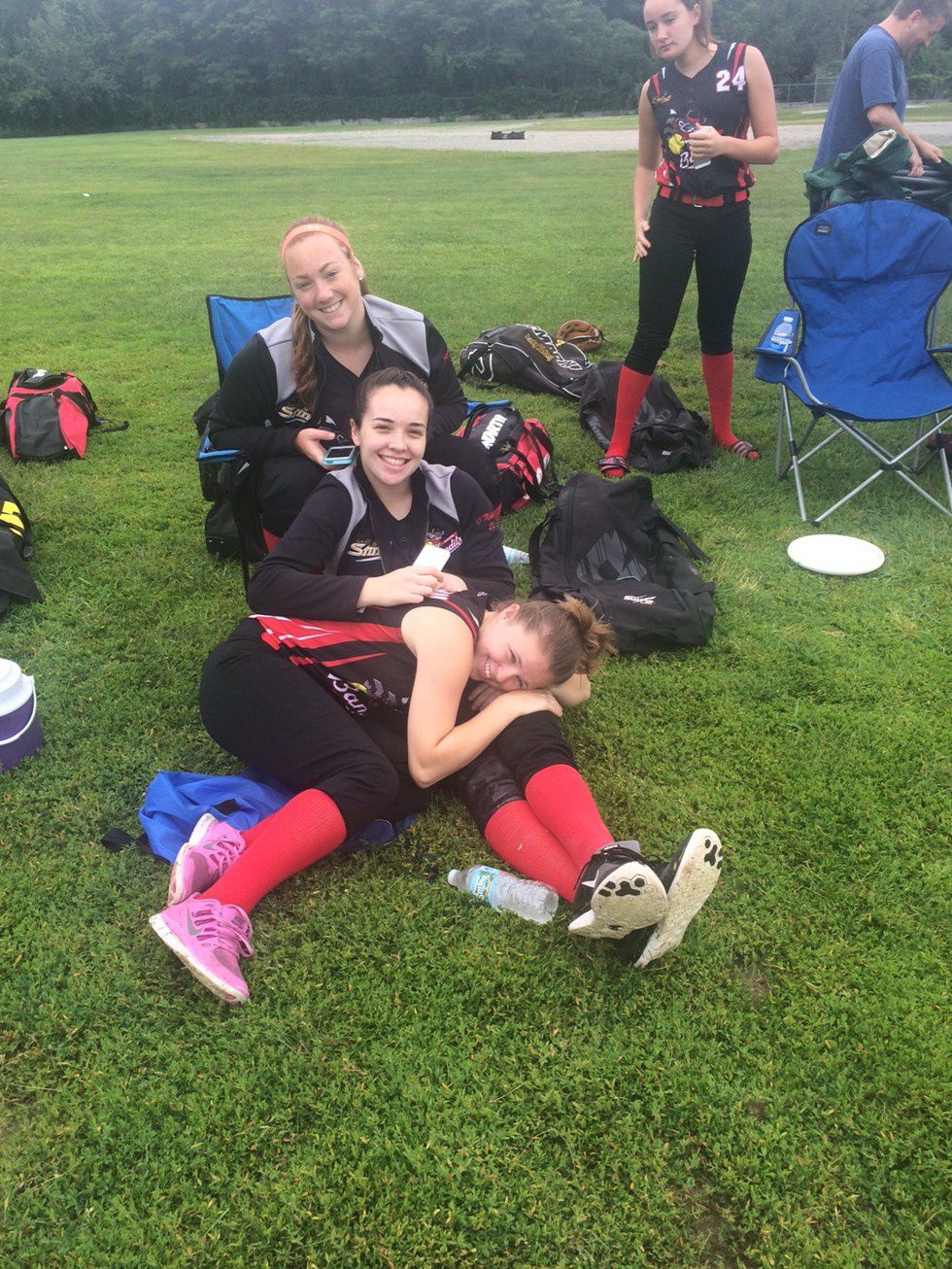
Like all good things in life, however, a new opportunity came out of left field. Literally! I finally had my first real season playing summer softball with a travel team based out of Boston, Massachusetts. I had intended to play for this team to get better and get recruited when I was younger, but I had missed summer seasons due to injury so last year was my first time playing. It couldn’t have come at a better time. I was playing softball for a team, like I always had before, but this time I had nothing to lose. I wasn’t trying to impress a college coach, I wasn’t trying to get a spot on varsity, and I wasn’t trying to be the best in town. I was only trying to enjoy the game, make some new friends, and avoid getting hurt. While I did get hurt, not necessarily due to softball, and tore my meniscus in my knee for a second time last summer, everything else went as planned. I recovered from that surgery and signed on for another round of softball this summer as I mentioned, and I am quickly approaching that last tournament.
My summer softball team has shown me what it’s like to win and lose with some of your greatest friends. Either way laughs are shared between games, but don’t get too comfortable because you sure as hell have another game coming up, so you better stay out of the sun and keep hydrated. Whether it’s talking to my shortstop in between every pitch about random things or signaling how many outs there are to my right and center fielders, there’s nothing I love more than these weekends playing softball. Sure, I want to win the games I play. But I know that each game is only important for that weekend, and I’m not playing for anything bigger than my teammates and my own enjoyment. Summer softball and the girls I play with have taught me that this sport is, in fact, not about me. Shocker. This experience has taught me to love those practices at dusk when the sky is the perfect color, and you’re laughing in the outfield shagging balls and telling stories with each other. It has taught me that the most caring coaches are those that give up their summer weekends and weeknights to teach you how to play a sport they love.