
As you may have heard in my recent articles, the 2016 Rio Paralympics are coming up this September!! This is monumental for many reasons, most importantly being that it could possibly be the biggest adaptive sports event ever. It brings together thousands of disabled, injured and adaptive athletes in one of the coolest ways. Every athlete brings forth different challenges that they overcame to get to Rio and each one can be looked at with admiration at achieving such great feats.
But with the Olympics starting recently, the future of the Paralympics is surrounded by questions. Controversy is bound to happen when millions of people come to watch an event, but this level of craziness is unprecedented.
First, there was widespread concern over Zika virus (a virus spread by mosquitos that has been linked to mild sickness, Guillan Barre Syndrome, and birth defects such as microcephaly). This caused many athletes to skip the competitions including golfers Jason Day and Rory McIlroy, long jumper Greg Rutherford and cyclist Tejay van Garderen. This put quite a dent in the strong field of Olympic golf and raised concerns for other sports.
Then, Brazil's government and law enforcement has been in turmoil with their Parliament voting to impeach their president Dilma Rousseff leaving the future of any events in Brazil in uncertain waters. There have also been several thefts of Olympic and Paralympic athletes, most recently an armed robbery of US swimmer Ryan Lochte.
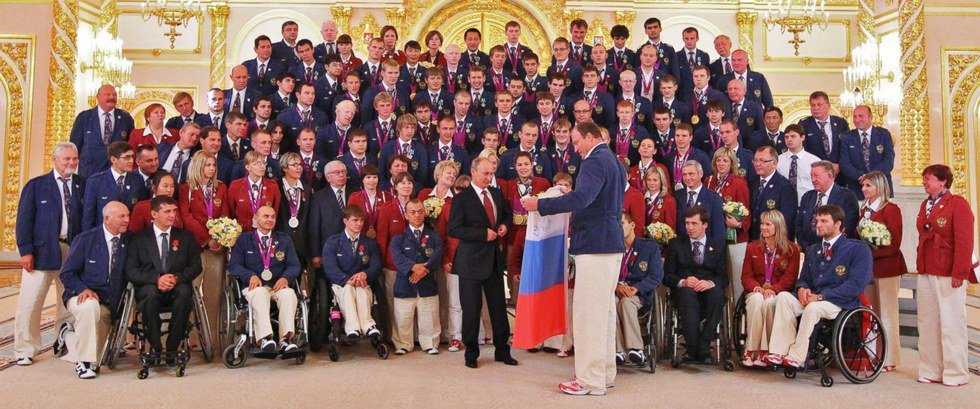
The most shocking cause for alarm about these Rio games didn't even come from Rio. In a recent report, Russian athletes were found to have participated in state-sponsored doping. This means that Russian Olympic officials actively covered up positive tests for performance enhancing drugs. This included both Olympic and Paralympic athletes in one of the biggest doping scandals ever. First, the IOC voted to suggest a ban of Russian athletes in this year's Olympic Games but they left it up to the individual sports and current drug tests whether or not they would allow them to compete. At the start of the Olympic Games, 118 of 389 Russian athletes were allowed to compete. The IPC, International Paralympic Committee, on the other hand wasn't so lenient.
With a month remaining until the Paralympic Games, the IPC voted to enforce a complete ban of all Russian Paralympic athletes. The Russian Paralympic Committee recently filed an appeal of this decision and expect a ruling on August 22nd. This leaves only a few weeks before the Paralympic Games begin on September 7th in which Russian Paralympic athletes will either be reinstated or replacements will be announced. The hope is that this ban will result in a much fairer and cleaner Paralympics. In 2014, when the event was held in Sochi, Russia, (where the doping scandal allegedly took place) Russia took home an astounding 80 medals including 30 gold while the next closest was Germany with only 16 medals.
While there are many causes for concern, there is reason to look upward. Despite the unfortunate events during the Olympic Games, they pushed forward. The 2016 Summer Olympics have been one of the most exciting events ever with the entire world at the edge of their seats in sports like swimming, track and field and archery. The Paralympics will showcase these sports and many more in astonishing fashion.