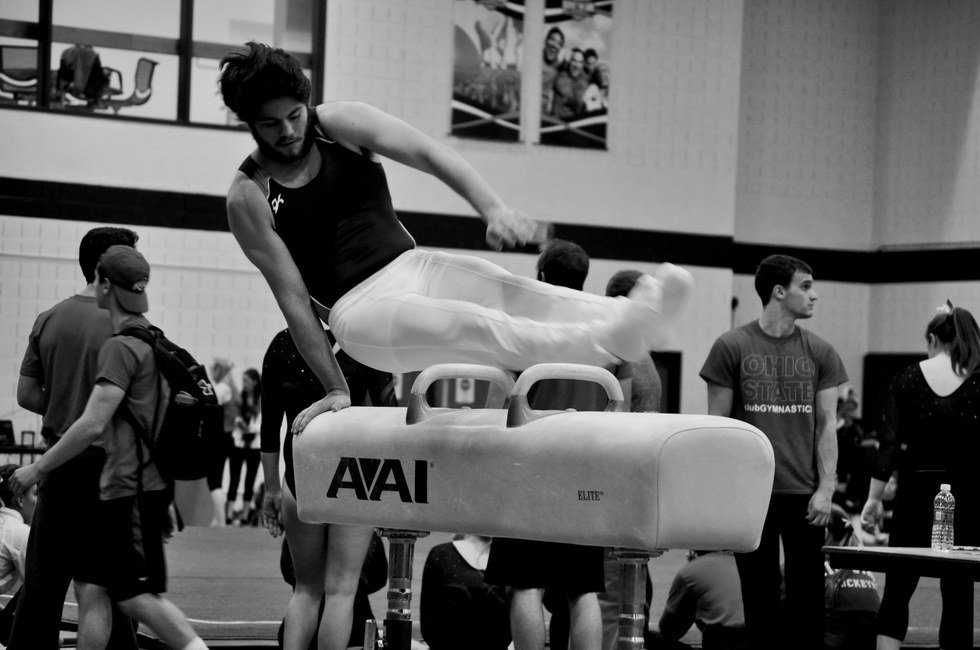
Gymnastics. It's the Summer Olympic sport that everyone watches, but no one really talks about. Dating back to Ancient Greece as a form of militaristic training, the skill and strength required to master such a physically demanding sport goes beyond what meets the eye, making gymnasts some of the most impressive sportsmen and women in history.
Most athletes will tell you that performance is a combination of determination and mindset - a Friday Night Lights “clear eyes, full hearts, can’t lose” kind of mindset. Gymnasts have a degree of full body awareness: they need to know where to move, when to turn, how hard to throw, and make split-second corrections without a moment’s hesitation. It’s a total body discipline that takes more than physical strength - it’s a sport of psychological training combined with those astounding physical abilities.

Much like dancers, gymnasts’ bodies take on a brutal toll for the love of their sport. Aching backs, cracking joints, strained muscles; shin-splints, sprains, tears and bruises in abundance are all badges of new skills. It takes a lot of perseverance to push through the physical pain and anatomical stresses each skill demands. Gymnasts place a lot of trust in their bodies, knowing just how far they can push; mastering the aestheticism of gymnastics doesn’t come without a price.


In order to be a well-conditioned, able-bodied gymnast, practice is essential. Unlike some other sports, gymnastics isn’t a pick-up sport - it takes time and practice to master even the most basic of skills. These athletes spend most of their “free time” in the gym because it’s key for improvement and is essential to keeping their bodies conditioned. If they don’t put in the time, they won’t see the results - and moreover, they could do themselves some serious physical damage.
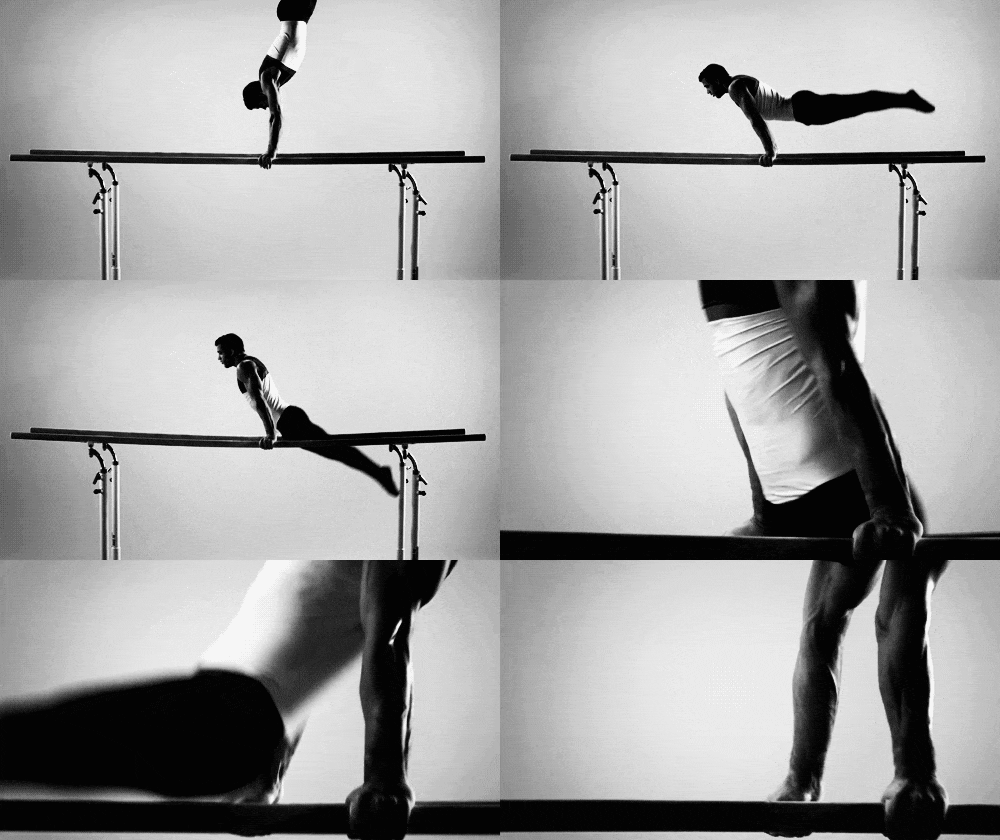
It would be within reason to consider gymnasts paralleled by perfectionists. Precision is laden in everything they do: precise muscle movements, precise timing, and precise execution and landing. Seeking perfection is progressive to the athlete and proactive in preventing avoidable injuries.


Misstepping on dismount, losing balance or grip, and falling would bring any athlete frustration, but finding the motivation to get back up and do it again and again and again is what makes gymnasts admirable. They’re dedicated, and they’re willing to do whatever it takes to get it right.

Gymnastics is more than a sport - it’s an art that few can understand, and even fewer can master. It’s a privileged relationship between mind and body, creating a poetry of movements that defy imagination. So the next time you’re watching those Olympic athletes, look a little bit closer than what’s on the screen. You’ll be amazed by the chalk-covered, multifaceted, tumbling world of these athletic giants.