Every four years, the people of the United States of America go through an athletic revival of sorts. Young eyes and minds glue themselves to the athletes representing their nation at the Olympic Games, and, as many coaches will tell you, sport participation grows tremendously in their wake.
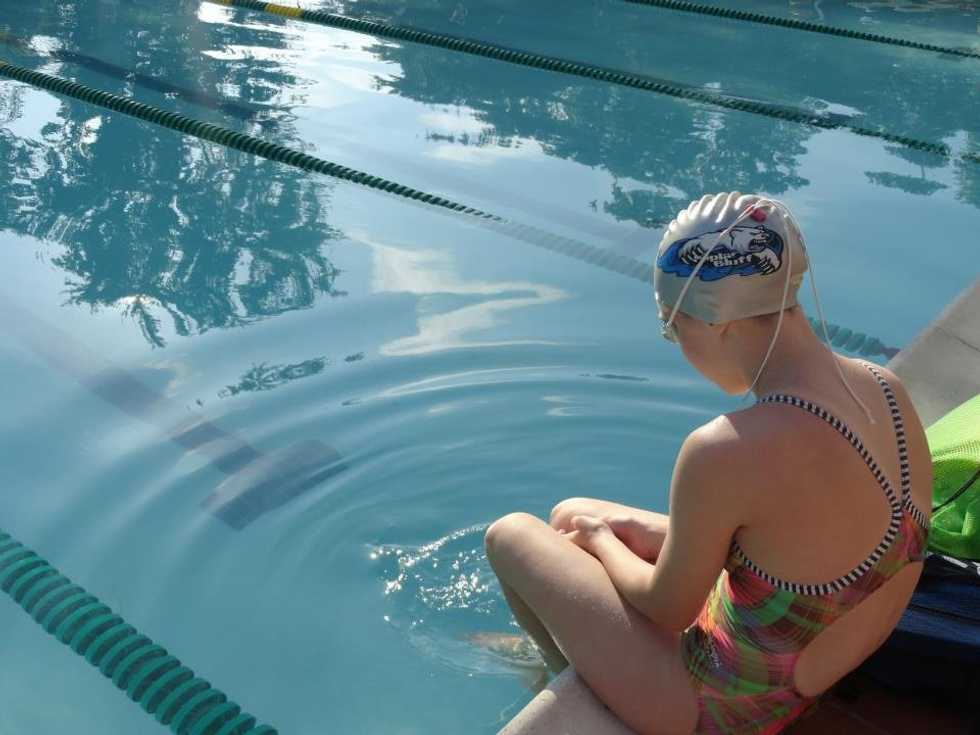
I started swimming in September 2008, trying out for the local year-round team after attempting to teach myself butterfly in a circular above-ground pool in the backyard. My mind was overflowing with visions of Michael Phelps, Rebecca Soni, Aaron Peirsol, Eric Shanteau, Natalie Coughlin, and Elizabeth Beisel (who was only five years older than me at the time), and I was absolutely sure that one day I could and would become just like them.
That didn't exactly happen, obviously, but I, like so many others, am now finding that their dreams taught me an incredibly valuable lesson: work, even difficult work, is not bad. Every generation complains about the next, and most of the griping comes from an instinctual fear of change, but I think our generation does have one major problem: we are, as a culture, afraid of work and responsibility. We post on the internet and send text messages about "avoiding responsibilities." We treat procrastination as an art form. We make, read, and laugh at jokes and memes about "not wanting to adult." Millennials even describe themselves as self-absorbed, publicly painting themselves in a negative light — not something older groups tend to do. Yes, as many readers are likely ready to argue, we have our share of unique and difficult obstacles to conquer, and we certainly aren't hopeless or useless — or even lazy, for that matter — but none of that excuses us from addressing the problem.
In a workaholic society where unique obstacles and dilemmas make a constant stream of work stressful, sometimes cripplingly so, laziness and all its sleepy cousins are glorified and sought after. We work hard, but we also love not working.
The Olympic Games, though, provide a glimpse of something better. Katie Ledecky, the 19-year-old superstar quickly becoming the greatest female swimmer of all time said in an interview, “working hard and doing everything I can to be successful should be my identity." Michael Phelps, who is certainly in no danger of losing his place in fans' hearts, said of his 2014 comeback, "I knew when I first came back that it wasn’t going to be an easy process...but if I wanted the results then it was something that I had to do. And I think I was at a point in my life where I was ready to do that and wanted to do that." For a few weeks every four years, that kind of work ethic is quite literally broadcast across the country, across the world, as an ideal to which we all ought to aspire.
Watching my sport now, on the other side of seven years of year-round training, 6 a.m. practices (we watched the sunrise from kickboards), 36-hour meets, short course and long course state championships, two Junior Olympics, three years of coaching and hundreds of races, I have a far greater appreciation for the focus each Olympic year brings to these athletes and their efforts. Their work is their glory, and as I write these words, thousands of children around the country are dreaming of running, swimming, biking, kicking, diving, and tumbling in their footsteps. Swimming taught me that hard work is not only a means to an end, a barrier between myself and rest, but a source of joy and accomplishment in and of itself — and something that really is possible for anyone who dares to push hard enough. I can't dream a dream much better than that.