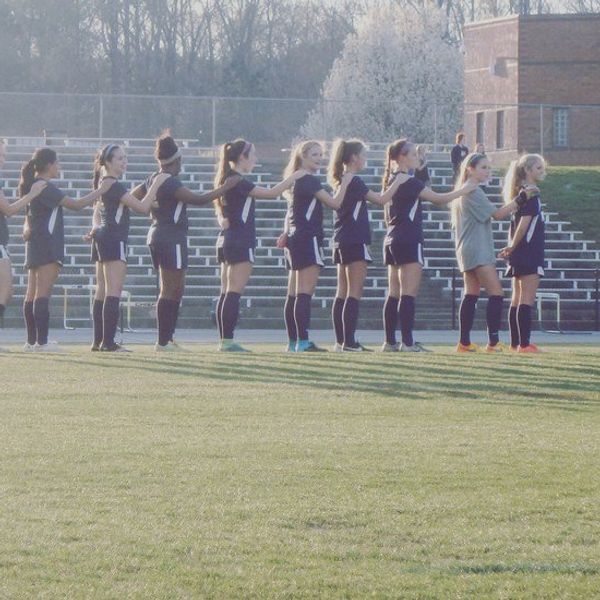

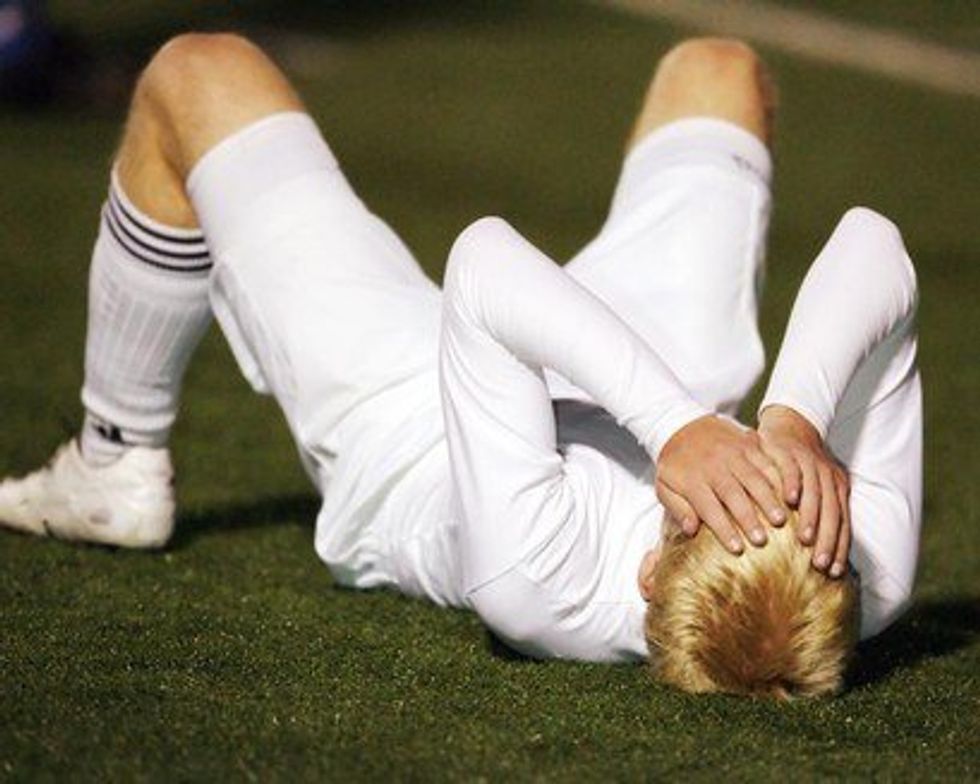
Today, my team and I faced defeat as we lost our match to one of our conference rivals. We fought hard and we were right there with many chances to win, but unfortunately, we ended the match with a loss. Losing hurts. It is painful to mentally and physically give all you have and still not come out on top, but that's life.
You won't always be the winner and you won't always be the star of the show. It's heartbreaking to put everything on the line and to fail by not getting the win. However, it's how you react to that failure that will determine the rest of your success. When hit with failure, there are two options moving forward:
Option Number One: Lose Confidence and Sulk In Your Defeat.
Many sub-par athletes and or mentally weak players will lose a match or a big game and feel like the world is over. All they take from the loss are the negatives. They think about how they should have made more serves or how they should have successfully kicked that 40-yard field goal and won the game. They overanalyze what they did wrong and they just can't seem to get it out of their head.
They go into their next competition with doubt hanging over their shoulder and every time they make a mistake, they flashback to that last loss. This kind of mentality will kill any athlete no matter how talented they are. If one loss can create that much doubt inside of a player, then that player truly doesn't deserve to win. All athletes need to know and believe that mental toughness is key to most success.
Option Number Two: Learn From Your Mistakes and Get Better.
We've all lost and we've all been hurt by the pain that losing brings. However, the act of losing is only temporary. In a matter of seconds, you lose, you shake your opponent's hand and then it's over. The event is done and the future is what's left to worry about. After a loss, a player should reflect back on what he or she did wrong and try to create a game-plan for how he or she is going to perform better next time.
Athletes need to think strategically after failing to perform well and a way to do this could be by studying new plays or by taking the time to read about the sport to gain new knowledge and put things into perspective. Taking the time to calmly and maturely understand where you went wrong and what to fix can be very beneficial. And once you spend the extra time to better yourself, you should feel even more confident knowing that you have worked on your areas of weakness.
You should also feel optimistic that you have a plan of action and know what to do in order to do better next time. It's like studying for a test. If you don't prepare properly, you will fail the test. But if you take the time to change your study habits and step up your commitment, you will do better next time. In sports, we have to take the bad and gain something from it. It's all about working to make next time better.
In conclusion, time and time again, I have seen athletes spiral downhill because they don't let the act of losing be a temporary endeavor. They make losing permanent and keep the memory hanging over their shoulder. This will kill any athlete and will not help him or her in any way. Use losing as a lesson and let it fuel a fire in you to prepare better and perform better in upcoming competitions.