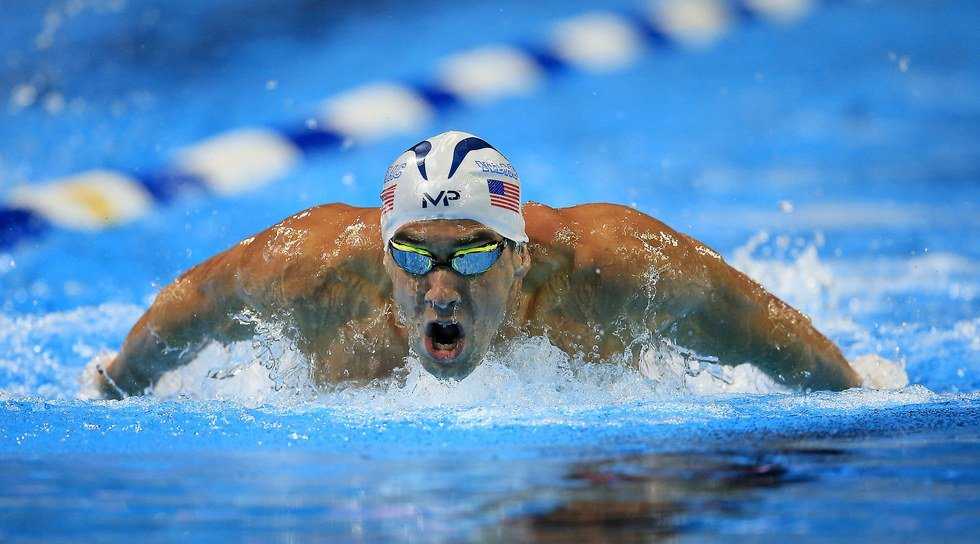
The time has come for the start of the 2016 Olympic Games, held in Rio de Janeiro, one of the largest populated cities in Brazil. As a former athlete and sports enthusiast that many can agree with, it has been a grueling four years since London 2012. The Olympics originated in Greece around 776 B.C. and the first modern Olympic games were held in Athens in 1896. Since then, the Olympics have remained one of the most powerful tools of unity worldwide. Athletes from nearly hundreds of countries participate and the fan base goes above and beyond the games’ stadiums to reach millions of viewers glued to their TV screens. Through harsh but rewarding competition between the athletes, and tenacious support of the athletes, the Olympic Games allow for a broad spectrum of diverse cultures to come together in celebration and honor of our world’s greatest athletes. Here is your complete guide to Rio 2016.
How long do the Olympics last?
The Olympic Games official dates take place between August 5 and 21. Although the games are said to take place in Rio, competitions will take place across 32 venues in Rio de Janeiro, Belo Horizonte, Brasilia, Manaus, Salvador and Sao Paulo. The Paralympic Games will take place between September 7 and 18.
What are some of the major events?
The Olympic Games consists of 311 events, 208 representing countries and 11,385 competing athletes. Sports range from some of the forgotten titles such as badminton, Taekwondo and judo to more mainstream events such as swimming, wrestling and beach volleyball.
The kickoff event on August 3 (before the opening ceremony on August 5) is a soccer match between the Canadian women’s team and the Australian women’s team. The Opening Ceremony will take place on Friday, August 5, and athletes will march into Maracana, one of the world’s largest and famous soccer stadiums.
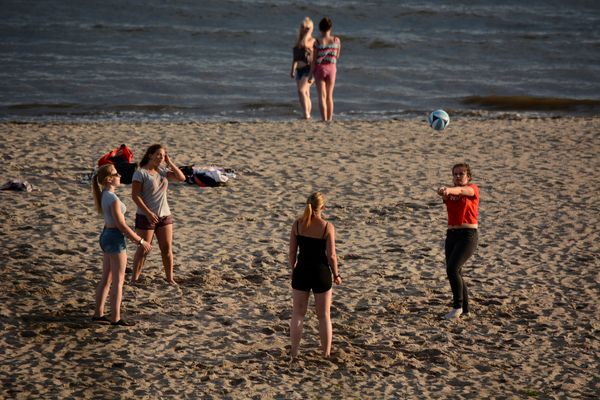
One of my personal favorites, beach volleyball, will begin on August 6, followed by swimming the following day. Swimming will begin on August 12 and synchronized swimming beginning on August 14 along with men’s Greco-Roman wrestling, for those looking for more of a contact sport.
One of the highly emphasized sports of the Olympics is track and field and those events will begin on August 21 with the men’s marathon. The men’s 100m final, a showpiece event, will take place on August 14 (Rio time) and the women’s 100m final will take place the day before on August 13 (Rio time).
A complete TV schedule of events and participating teams can be found here.
Who are some of the athletes to watch out for?
As a former swimmer, I am excited as ever to tell you that Michael Phelps, one of the most decorated Olympians of all time, will be returning for his fifth Olympic Games. Phelps has won more Olympic medals than any other athlete in history. Over a span of three Olympic games (he did not medal in his first Games in Sydney, Australia), he has compiled a highly-respectable number of 22 Olympic medals. Outside of the Olympics, he has overcome adversity and has recently launched his “MP” brand of technical swim suits, swim accessories and more. The hardworking and committed individual has dedicated his past several months preparing for Rio and his coach, Eddie Reese, stated “I think we’re going to see him go faster than he’s ever gone, he is going to be very, very hard to beat.”
The most decorated sprinter of all time, Usain Bolt of Jamaica is determined to outdo himself at Rio 2016. Bolt won his first Olympic 100m title in Beijing in 2008, and his 11 world gold in the Chinese capital seven years later. In between then, he has earned 15 Olympic and world championship gold medals. Bolt states that Rio will be his last Olympics where he will be competing to win the 100m, 200m and 4x100m relay for the third consecutive time.
Simone Biles is quoted to be the best athlete in America today. As the athlete to succeed fellow American gymnast Gabby Douglas, Biles is already the favorite to win the all-around gymnastics. At just 4-foot-8 and 105 pounds, Biles became the first woman ever to capture a third straight world all-around championship last year and has accumulated 14 overall medals at worlds, 10 of which being gold. At just 19 years old, Simone is the biggest threat in the women’s gymnastics at Rio.
What else is going on in Brazil?
Brazil’s president, Dilma Rousseff, will not be attendance at the Opening Ceremony due to suspension and potential impeachment over allegations of manipulating the government budget.
The safety of athletes has been a reoccurring concern with the water content and the Zika virus outbreak. Rio officials admit they have failed to keep promises to clean up water where watersports will take place, however, Team GB says that they have yet to find any problems. After Chinese women fencers were robbed, Chinese state media has criticized Rio security. As the center of the Zika outbreak, Brazil has suffered from a virus that is spread by mosquitoes that results in birth defects. The World Health Organization has recommended pregnant women avoid travelling to the Games. You can read more about Zika here.
After a 112-year absence, the Olympic Games have returned golf to the 2016 lineup. It is already said that five new sports including surfing, karate and skateboarding will be added in the 2020 Tokyo lineup. As the years go by, the Olympics continue to universally grow and adapt to our changing world. However, through all of the change and improvements made, the universal concept of competition remains as the underlying backbone. Michael Phelps once said “I won’t predict anything historic, but nothing is impossible.” Only the next few weeks will show if Rio will bring any more historic uprisings than we already expect. Bring it on, Rio!