
Picking a major in school usually involves you trying to find something you enjoy or aligning your interests with something you could do for living. That is why I became a sport marketing major. I was originally going to go to school to be a teacher, but the day I went on a college visit to the college I eventually went to, I changed my mind. I had been wearing some sports attire and I was approached by a person who would go on to be my professor throughout my time at school and someone who taught me a great amount of the things I would need to know to have a career in sports. That day, I changed my mind and never looked back.
There are quite a few things you may need to know if you are currently in the sport marketing/management field of study or planning to get into it. In this article, I am going to go over some of the things you need to know including expectations, what you may hear from those around you, what you can do to be successful and, most importantly, knowing how have fun while learning about the field where people have the most fun. Here are some things that may be helpful.
1. Your friends will think it is cool, but your parents will think it is crazy.
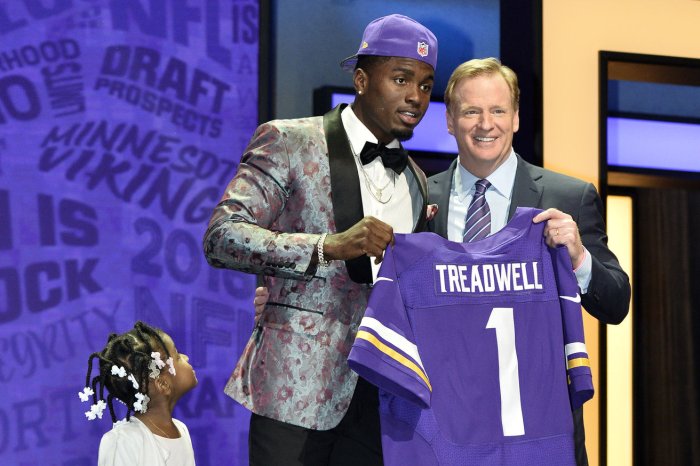
Your friends are going to think you will be big time. They think you will get to meet all the athletes, make lots of money and get to do things people dream of as kids. A bunch of people want to be professional athletes when they grow up, working in sports may be the next best thing. They will think it is awesome that you will know inside information about the team you work for (which usually isn't that cool), that you get free gear (yes, you get free swag and the more you have the more your outsider friends will think you have some pull with the organization) and that you are involved with a team (which usually never means you make decisions that effect the team on the field, court or ice). They will also wonder if you can get them swag or tickets. You usually can't all of the time, but every once in awhile if you slip them a little something they will think it's awesome.
On the other hand, your parents will wonder what the heck you are doing. Sport marketing isn't conventional or a safe bet to get a job, so they will ask you a lot of questions life "Why not be a regular business major like management or marketing?", "How are you going to find a job in something so specialized?" or "Are you sure you want to work for the Yankees? I thought I raised you to be a Red Sox fan." With that being said, they have reason to worry, because it is a competitive field. But once you are in, take some time to show them around. Take your mom or dad to your work place and give them a tour. If you are able to, let them help you with the work that isn't fun to do. They will think your job is awesome and think it was cool to be a part of it for a little bit. Heck, show them every nook and cranny of the facility and make them feel like a VIP. They will have a day full of memories and will be sure to be proud of you.
2. Your major classes will be fun, but your other ones will be harder to sit through.

Your classes revolving around your major will be fun. You will have fantastic instructors that have similar interests as you and you will get to talk about things in class that you normally talk about with your friends on a daily basis. You will get to discuss what you saw on ESPN the night before, pressing sports topics and you will get to watch your fair share of "ESPN 30 for 30" films. On the other hand, it will be harder to drag yourself out of bed to go to classes that are in subjects like math, science and English. You will find yourself waking up thinking about the s word (skipping), sighing out of boredom and wishing you were elsewhere while in those classes a lot more. Don't worry, there will be other cool classes and professors outside of your major classes, but none will compare to the ones you take about sports. Don't worry, the further along you get the more classes revolve around your interests.
3. Your perceptions will change.

When I first got into the major, I thought I was going to be working a big shot job with a baseball team like the Minnesota Twins or Boston Red Sox once I got done with school. After my first year, I still thought that. Then, I started to work with the junior hockey team in the town I was going to school in. I liked it a lot, but my perception really changed when I did a summer internship with a hockey team in Minnesota. I learned that I wanted to work in minor league sports because I liked the atmosphere, affordability for families, the blue collar fans and the memories that are made for fans rooting for the local team. Since then, I have done an internship with a minor league baseball team in Ohio and that solidified that perception and my new goal is to be a General Manager in minor league baseball or run business operations for a junior or minor league hockey team. I'm not saying your changes will be the same as mine, but you will notice your preferences and what makes you passionate, and once that happens you will aim for that target even if it is working for the Clinton Lumberkings in rural Iowa instead of working for the Los Angeles Dodgers.
4. You will be doing a ton of projects.
One thing that you will find out is that there always seems to be a project you are working on for class. That is usually because the athletic department at your school knows you need to build your resume and know you won't charge any money for your labor. As much as that sounds like they are using you (which they are, but be thankful because most places won't use you at all unless you have this experience), the projects are great learning experiences. They teach you how to market, work as a team, see many different sports with many different crowds, and if you do them right you can experience the feeling of success after coordinating a successful promotion or research study. The athletic department or instructor may even have ties to local teams that can help diversify your resume if you show you can work hard. Take advantage. It could be worse, you could write a 50 page paper on fairy tales (true story, which brings me back to my point from number 2 on the list).
5. Internships are key.

Most schools require you to have one, if not multiple internships and field experiences. Get your name out there. Start local if you need to and branch out if you want to. Work for a few different places while in school to build up your resume. You will learn the ins and outs of an organization, which will help you later on. Most organizations hiring full time when you graduate will want one or two years of experience. To gain that experience, go out and be an intern. You will do many different things, meet cool people and if you ask enough questions and never say no, you will get a ton of valuable work experience. Also, to get the most out of it live by two rules: work hard and never say no.
6. Take advantage of what is close to you.

Getting your foot in the door isn't easy. Being local, though, does help. I was able to start my career because I applied for an internship with a team in the town I was going to school in. Most teams look local before taking the search abroad. They like the local connection, they won't have to worry about your travel expenses and they know you can help for a longer period of time and whenever they may need you. When I applied for internships during my junior year, I had already worked local so I wanted to expand. When I applied with places and didn't get offered the position, it was sometimes because there was so much local help in schools around them that they didn't want to fuss with getting someone from states away to come work. You have a better chance if you stay local. With that said, apply everywhere even though you may not get it. You may strike gold in the places you didn't think you would. I still don't know why a team in Ohio would hire a kid from South Dakota, but that is a story for another day.
7. Don't be afraid to say hello and make conversation.
One thing about internships is making connections. You can't do that unless you are willing to talk to people. Talk to those around you, whether it is fellow interns or the head man or woman in charge of the organization. Don't be intimidated. They put their pants on one leg at a time like any other human being. They don't want you to be intimidated, they want you to learn. Be sure to say hello when you see them and pick their brain through conversation. They are the ones who have made it to the place you hope to be some day. They know how to do it and will gladly share how they did it and what you can do to get there. Also, they may come in handy some day when you need a reference or are looking for a job.
8. Don't forget the people you meet.
You will meet a ton of people in your field experiences. You will meet everyone from the organization you work for, plus the group of interns you will work closely with. Don't forget them. Keep in touch. You never know when they may know of a job or have the power to bring someone in. I have met people from many different states and have kept in touch with quite a few of them. Keep those connections open. They will be great for your career, but also they could become lifelong friends.
9. Don't be afraid to move and take risks.

While there may be teams around you, don't rely on them for a job. They may not have openings or they may already have candidates. Look anywhere for a job if you truly want a start after you graduate. Don't be terribly picky, although make sure you aren't looking for a job in a place you know you will hate (like Gary, Indiana). Have a short list of places you won't go and a short list of places you want to go the most so you have priorities, but apply anywhere and everywhere in between. If you haven't lived far from home before, just look at it as an adventure. You may end up loving it. If you hate it, that's unfortunate, but you won't know unless you try. You won't be able to explore forever so take advantage. You can always move back closer to home later on.
10. Be ready for long hours and low pay.
Working hours in sports can be long. You may work 15 hour days and 100 hour weeks, but if you truly love what you do and have a passion for it, then it won't be as much of a struggle. Six game home stands in baseball can be killer, but it'll feel great once it is done and things went well. Also, your pay won't be great. That also goes with the passion and what you love. Don't get ripped off, but just know you won't be making a ton of cash at first (that is why there is advancement in the field). Also, if teachers come up to you and complain about pay (which they do somewhat have the right to do, since their job is extremely important) kindly let them know that you salary is smaller but you have more fun. Eventually, if you stick with it, the pay raises will come. You just have to have the flame of passion and make it stay ablaze within.
11. Be prepared to meet some neat people.

You will meet all sorts of people, whether it is the die hard fans of the team you work for, the people you work with, or sometimes you may meet some famous people along the way. Many teams have celebrity fans that pop in or may bring in a celebrity for a guest appearance (you may be put on celebrity assistant duty). I have met some great hockey people, gone to events that had a famous person in attendance and also got to hang out with Dennis Haskins (Mr. Belding from "Saved By The Bell") for a few hours while he was at the ballpark and I was on celebrity duty. Depending on where you are, you may also meet famous people around town. You probably won't become friends with them, but it is a story to tell your friends who already think your job is cool and your children and grandchildren down the road when you tell them stories of your glory days.
12. Get ready to party.

Remember those six game home stands I was talking about? Those get long and afterwards you may need to blow off some steam. After games and after home stands, many front offices like to go out for a drink or have drinks at a co-worker's house. Cherish those moments because those are times you can get to know co-workers and superiors on a personal level. That will help make the season easier and you may learn that there are still people out who are done with school that still drink Natural Light. It also helps with the team aspect in the work place and it never hurts to have fun. Just refrain from doing anything stupid and make correct decisions. Those memories will last a lifetime. Also, don't feel compelled to drink alcohol. That wasn't what I was getting at. Just take that time to relax and appreciate the people around you. It will make life less stressful and the job more fun.
13. Get ready to sell.

Most jobs starting in sports are sales jobs. They usually require you to make calls, meet in person and go to events with selling in mind. They usually revolve around selling ticket packages, group experiences and sponsorship. While this may not be the most fun, it could be worse. You could be selling life insurance or a vacuum cleaners. You will get told no quite a bit, but it is all a part of the career path. You will learn what you do and don't want to do. If you like sales you will be in good shape. If you don't, keep plugging away until you get a job in a department you are looking for. If you don't have to work in sales and are able to go straight to where you want to go, then congratulations. All roads are different, but the best way to get your foot in the door after you graduate is through sales.
14. Get ready to fill out job applications.

Sports is a competitive industry. You have to be prepared for a bunch of people applying for the same jobs as you. You will need to fill out many applications to have a shot at getting a job. While some people have connections (internships help with that), not all places you have connections will have openings (which means use the people you know from the places you have connections as references). You may need to fill out over 100 applications. Thousands of people around the country may apply for some of the jobs you are looking for. While you do need to give them a reason to look at you and separate yourself from the other candidates, you will also need to apply to as many places as you can so you can get your name out there.
15. Get ready to work hard.
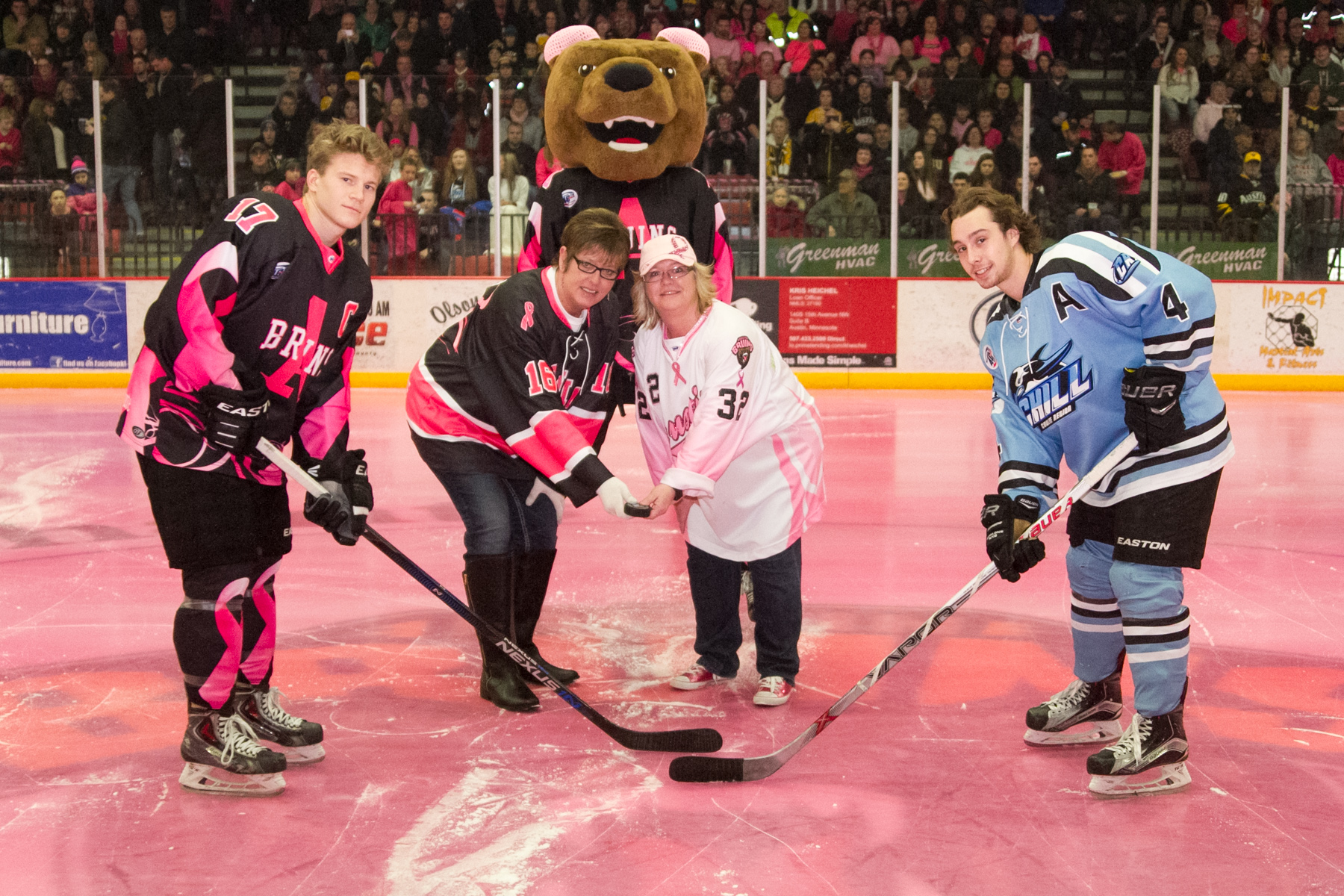
Like any job in any field, you need to work hard. You need to show why you were the one that was chosen. Learn, put in the hours, and become well-rounded. When you want to advance, it will show. Give your all and have fun while doing it. You will get stressed, you will wonder why you don't have as much money and you will want to advance. It is like anything else in life, there are ups and downs and stressful situations. Just remember, you work in sports. How bad can it be? Let your passion and work ethic guide you to be the best sports professional you can be.
Hopefully that gave you a good idea of what working in and studying sports is like and showing you the exciting path you can look forward to. Working in sports is great. Just like playing them, working in them requires hard work, long hours, learning and sacrifice. But the one thing that you need to remember is the underlying reason you are doing it. You love it and want to have fun.