As the population of the world grows, so does the concern about how to feed all of the humans on earth. For us in the U.S., it seems like there is a plethora of meat, fruits, vegetables, grains and everything in between when we step into a grocery store, right? Surprisingly, this is wrong. The use of GMOs (genetically modified organisms) to speed up and increase food production in the crop and agriculture industry has skyrocketed. This may seem like a good idea in principle, but really we don’t know the long-term effects of using genetically modified organisms in our food.
To clarify, GMOs are created by modifying an organism’s genetic makeup (plants or animals) artificially or by taking specific genes out of other organisms. Genes from totally different species can be fused together to create a whole new one. The purpose of this is to create resistance to pesticides or herbicides so that the crops can withstand being sprayed with chemicals, as well as fight the pests on their own. While this practice helps the farmers to yield more crops and make more money, it could potentially be dangerous for humans to consume.

Full research has not been done on the effects of consuming animals that have been fed genetically modified grains, or humans directly consuming genetically modified crops, such as corn and soy products. Combining entirely different species’ genes is a fairly new practice, and scientists don’t truly know any effects this may have. Why are we still using these questionable methods of producing food if we don’t yet know how it will affect our bodies? Crops are being created to essentially produce their own pesticides, which we all then unknowingly consume. Would you still eat that apple if you knew it was full of pesticides that could cause liver damage? How about the corn and soy that is used in most everything we eat?
The greed and lack of empathy for the earth from the crop and agriculture industry is astonishing. They act as if they don’t know that potential effects of GMO use can include serious allergic reactions, gene mutation, antibiotic resistance, loss of nutrients in foods, and environmental damage just to name a few. This is not to say we should stop all GMO production immediately, but we should continue to initiate the important studies needed to find out the real effects. If GMOs do indeed cause the negative effects I mentioned above, we will not be able to reverse them. Genetic organisms cannot be “cleaned up” or contained like chemical contamination can. The detrimental effects to our earth could be irreversible and devastating. Read more about all of this craziness here. But what can you do?
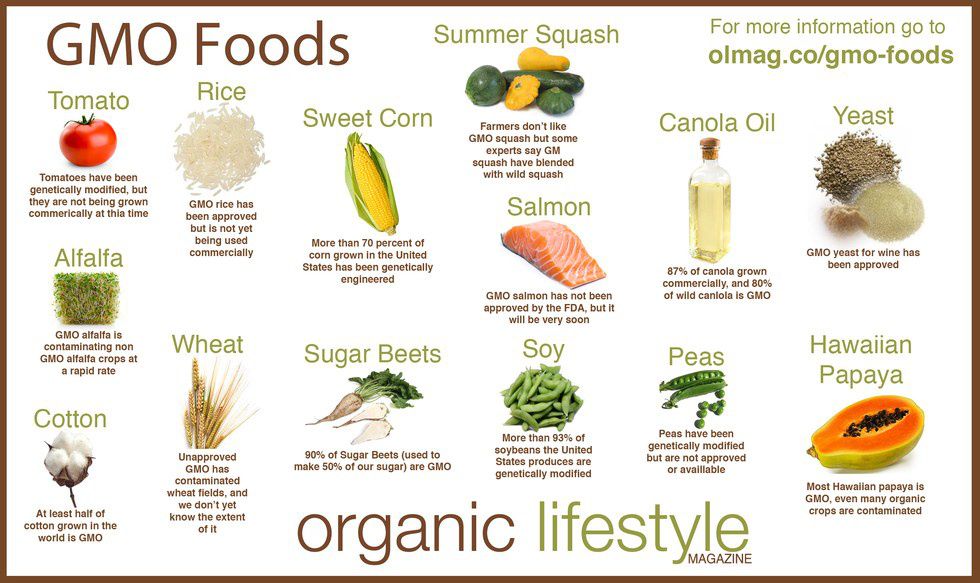
One thing you can do is educate yourself. If you know what foods typically include GMOs in their production or ingredients, it can be easier to stay away from them. Also, choosing organic products will ensure that you consume fewer GMOs. Overall, doing your research and making healthy and sustainable food choices will not only benefit you but the earth. We all inhabit this planet, and if we come together to help it, we can make some serious change to mother earth.