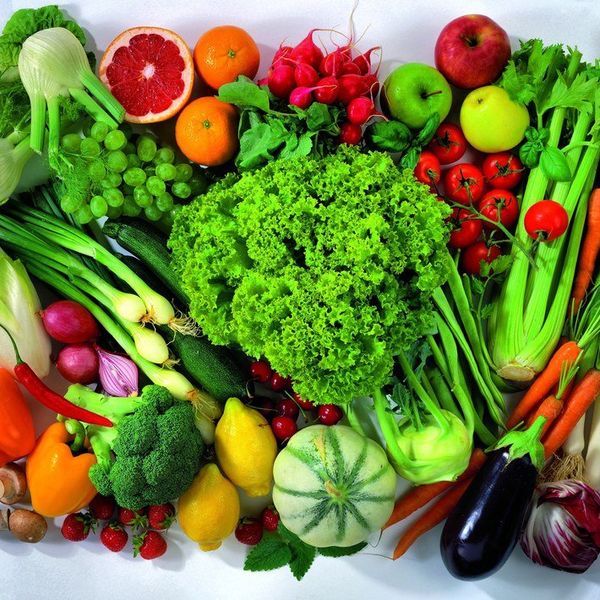
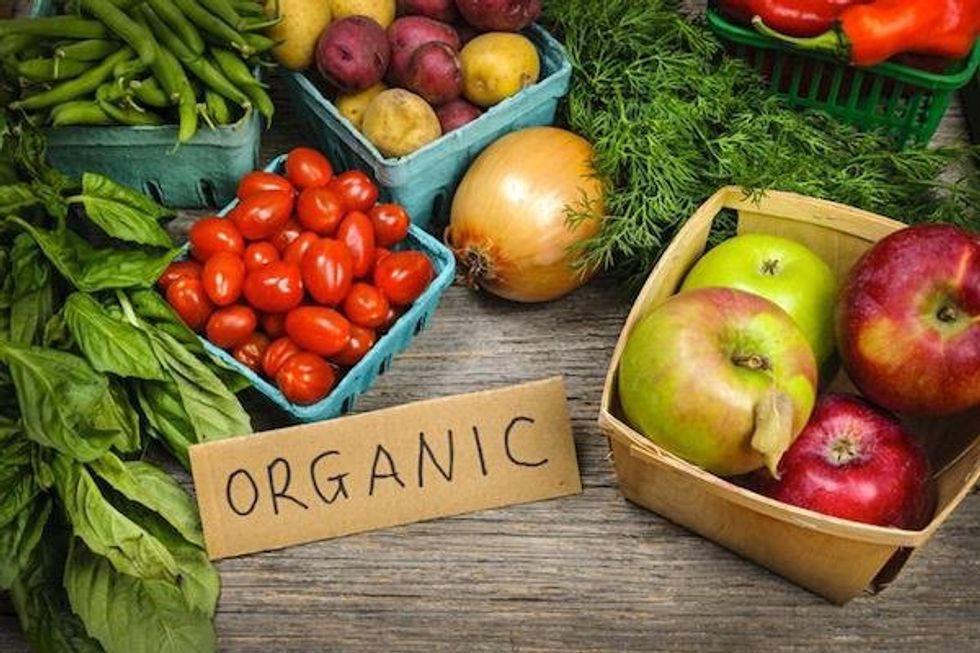
Recently organic food has grown in popularity and production which raises the question: is it really better for you and how does it compare with conventional foods? Organic food is not some superficial, pointless fad like wheat grass detoxing. Organic food is tasty, sustainable, healthy, and favorable for the environment and animals.
Let’s begin with why it is good for animals. Conventional crops like corn, wheat, and soybeans use pesticides. While these effectively ward off unwanted pests, they also kill the natural enemies of such pests, thus causing an imbalance in the food chain due to a loss of the hunter’s food source. Additionally pesticides are toxic to birds, mammals, and fish causing issues like irregular blood flow, reproductive complications, and secondary poisoning to predators. Furthermore, animals raised on conventional farms and feedlots are prevented from having a normal growth cycle. They are fed genetically modified, conventional grains and pumped with hormones to make them grow faster. This causes the animal to become fat faster than its extremities will allow and it puts them through much suffering or could even kill them. Organic farming uses natural methods to raise their animals and crops. For example, cattle are fed grass a more native diet to cows, and chickens are free range causing them to mature naturally and roam around until they are humanely killed.
Environmentally, organic food has a positive impact on the earth since farmers don’t use pesticides, genetically modified organisms, and practice sustainable farming methods like crop rotation and natural soil enrichment. Since pesticides aren’t used in organic farming issues such as groundwater pollution are no longer a concern. Conventional farmers, however, are responsible for groundwater pollution and an article written by Princeton environmentalists mentions that “99 percent of chemicals [meant to protect from pests] enter the environment”. Groundwater pollution is responsible for endangering many animals and making some locations uninhabitable. Another pro to consuming organic food is genetically modified organisms (GMOs) are not present. GMOs are altered genes of an organism to improve growth, enhance nutritional value, or increase their resistance to pests. However, the risks of GMO’s on humans has not been tested. There is a study published in the International Journal of Biological Sciences in which rats were fed three types of GMO corn and compared to a control group that was fed organic corn. The study concluded the rats that were fed GMO corn had organ problems, mostly in the kidney and liver and also other negative effects in the heart, adrenal glands, spleen and hematopoietic system. It is hypothesized that humans would experience the same effects.
Overall, organic foods are a wise choice because one can avoid GMOs entirely. Finally, organic farmers practice sustainable farming methods, crop rotation being one of them. This allows soil and land to regenerate after a growing season so it can be used again. Conventional farmers often reuse the same land, therefore stripping it of essential nutrients and leaving it unusable in the future. Organic food is grown in natural fertilizers like manure, while it may be the smelly alternative to conventional fertilizer but it does not contain harmful chemicals that are then transferred into conventional foods, therefore making it the natural and safe option.
Now how does eating organic benefit the consumer? Firstly, your risk of consuming pesticide residue and heavy metal is eliminated. According to foodsafetynews.com “pesticide residues were four times more likely to be found in conventional crops than organic ones and levels of the toxic heavy metal cadmium are nearly twice as high for conventionally grown foods”. This fact alone should be enough to sway the educated consumer away from conventional foods but there are more frightening things in conventional food like hormones. The risks involved with consuming excess hormones not produced by one’s body are abundant. A common hormone called IGF-1 is found in cow’s milk and consumed in large amounts it has been “associated with an increased risk of cancer in humans” according to an article published by Princeton. Organic foods are prohibited from giving their animals hormones and thus the consumer is protected from yet another danger in conventional food production. Lastly and one of the most positive effects organic food has on the body is the higher nutritional value. Research by New Castle University, published in the British Journal of Nutrition determined “antioxidants such as polyphenolics that were 18- to 69-percent higher in organic food”. This not only means you’re getting more bang for your buck at the grocery store but your feeding your body more nutritionally dense food. When consuming organic food, the person is able to get more of their daily recommended servings, “researchers suggest that switching to eating organic fruit, vegetables and cereals provide consumers 20- to 40-percent more antioxidants, which would be equivalent to eating between one to two extra servings of fruit and vegetables a day” according to the study by New Castle University.
With all of this in mind what is the argument against buying organic? It costs a bit more? I feel many consumers would agree to pay more since they are not being poisoned by pesticides and hormones and organic food is more nutritionally dense. Additionally organic farming is more sustainable for the earth and friendly to animals which as inhabitants of this planet everyone should be supportive of. By educating others and demanding healthier food it will become more readily available and thus conventional farming will not be able to cause more damage than it already has.