
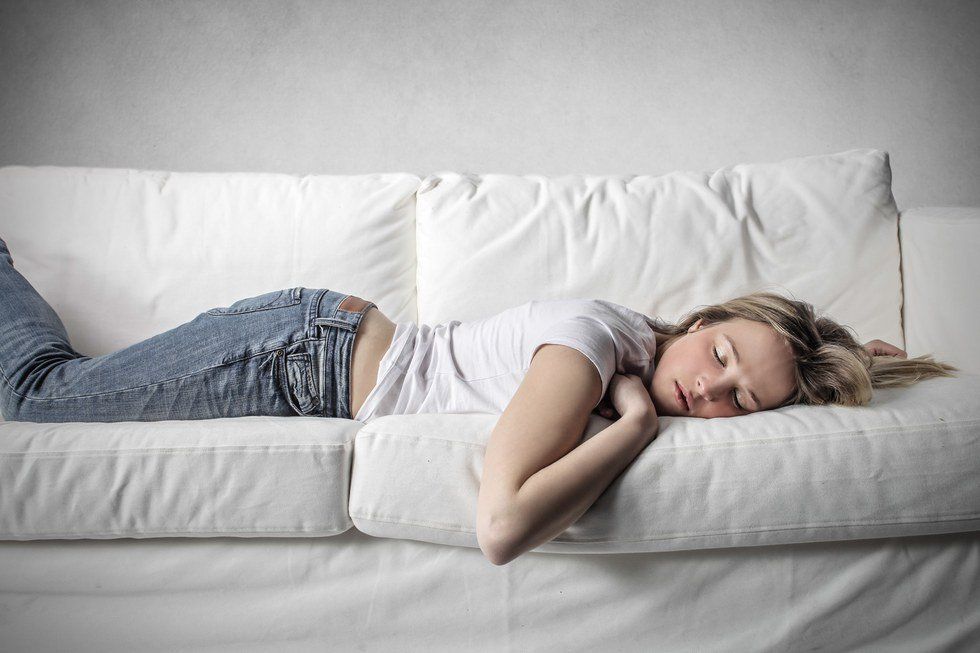
As an avid napper, I cannot express how many times I have woken up to an initial unread text accompanied by a sarcastic follow-up text from a friend saying something along the lines of, “You’re asleep, aren’t you?” I am a huge advocate for napping, and my friends and family are well aware of this. However, they do not let me off the hook without any repercussions, as I frequently find myself at the tailend of a snide remark or two about my lack of productivity or laziness following a nap. I have received comments such as, “All you do is nap,” or “How do you get anything done with all of your napping?” I often find myself feeling embarrassed and lethargic after hearing words such as these. I have noticed a harsh stigma that goes along with napping which perpetuates the belief that those who nap are often lazy and ineffective. I believe this stereotype is unjustified and completely inaccurate, as there are countless benefits to napping, and even more hindrances in not getting enough sleep.
In today’s fast paced society, sleep deprivation is more prevalent than ever. Studies find that around half of Americans (48 percent) report they do not get enough sleep, yet the perception that napping is lazy still prevails. The National Sleep Foundation found adults over the age of 18 should be getting between seven to nine hours of sleep each night, which for many is difficult to achieve.
A chronic lack of sleep can lead to sleep deprivation, which is accompanied by a surprising amount of negative consequences. One who suffers from insufficient sleep on a regular basis will also experience a decrease in alertness, cognitive impairment, a poor memory, an increased amount of stress, and may suffer from high blood pressure, obesity, stroke, heart attack, heart failure, and other psychological disorders such as depression, or Attention Deficit Disorder. It is obvious that the effects of a chronic lack of sleep can be devastating, however using napping as a way to combat sleep deprivation is still perceived as lazy. To those who do nap regularly, know that you are not alone. In fact, 34 percent of Americans report taking naps as a part of their daily or weekly routine, according to the Pew Research Center.
According to The National Sleep Foundation, there are three types of naps: planned napping, emergency napping, and habitual napping. Planned napping usually occurs in preparation for a lack of sleep in the future. One does not even have to be tired at the time. For example, if you knew you had a huge exam the next day and you have a night full of studying in hopes of even getting a passing grade, you might take a planned nap in order to help you stay awake all night. However, an emergency nap is not planned, it occurs when a person feels so tired they are not able to continue with their day. Lastly, a habitual nap is when you get into the routine of taking a nap at the same time every day.
In order to benefit from napping, it needs to be done right. The National Sleep Foundation recommends a 20 to 30 minute nap, and nothing longer. Some of the many benefits of this type of nap include both psychological and physical health perks. From a psychological aspect, naps can serve as a form of relaxation and a way to unwind from daily stresses. Other advantages include reduced fatigue and drowsiness, which results in increased alertness. Along with this comes a reduction in mistakes and mishaps caused by drowsiness and an overall better performance of basic tasks. If your nap happens to span longer than 30 minutes, it can have negative effects. The unpleasant groggy feeling so many people complain about after waking up from a long nap is recognized by the National Sleep Foundation, and it is called sleep inertia. The NSF defines it as “the feeling of grogginess and disorientation that can come with awakening from a deep sleep.” Another drawback of longer naps is the detriment they may have to one’s nightly sleep schedule. Any nap longer than 30 minutes may cause trouble falling and staying asleep at night, which will only worsen a sleep schedule.
Before passing judgement onto another person for taking a midday nap, try contemplating the extensive benefits of napping and the countless pitfalls of lacking sleep. Maybe those who perpetuate the stereotype that nappers are lazy are the ones who need a nap the most.