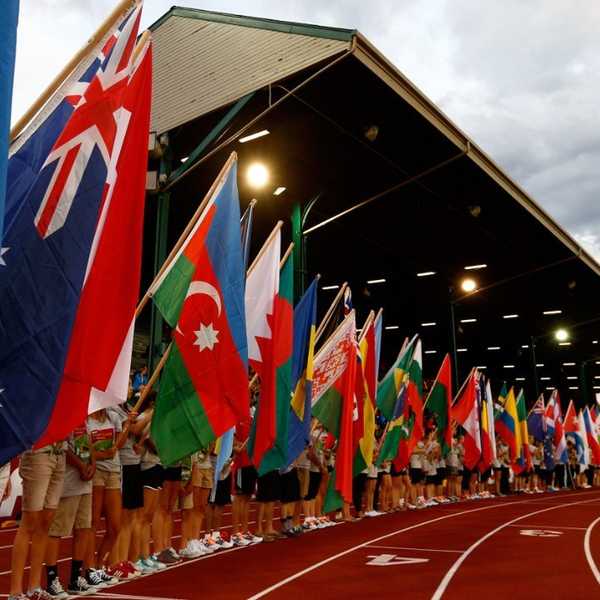
The Olympic games have brought global news to the forefront every two years in a very unique way. They have been thought of as important events that showcase the unity of the world in coming together for sport. However, they have been known to also reveal contentions between certain governments, countries, and social classes. The 2014 Winter Olympics in Sochi was the first Olympic Games event to be held in Russia since 1980, when the Soviet Union was still in power.
Like Rio 2016, Sochi was met with controversy as the Games approached. Fear for the safety of LGBTQ athletes and communities was a patamount issue. There were several protests on the part of Circassian activists who believed that Sochi was the site of a genocide in the 19th century. Besides for these concerns. The Olympic Games of the last decade or so have been threatened by the possibility of terror by Jjihad extremist groups.
This year at Rio, all of the press coverage is bringing to light similar problems such as police protests, the outbreak of Zika Virus, lack of clean facilities for the athletes and once again the possibility of terror. As athletes arrived in Rio before the opening ceremony on Friday, they were greeted by the signs saying "Welcome to Hell" written in English on police officers who were protesting their unstable salary, and the killings of officers by criminal organizations.
Three police officers were killed over the last weekend of July, one of them was Sergeant Antonio Marcos. Sgt. Marcos was killed at a fake traffic stop simply because he was a member of the police force. The police of Rio de Janeiro are constantly working in dangerous conditions, since they don't have nearly enough bulletproof vests for everyone on the force, and they go unpaid for their hard work, as their salary for June hasn't even entered into the payroll as of yet.
Of the 85,000 people working the Olympic Games this summer, 47,000 will be security and 38,000 in the armed forces. With the threat of ISIS causing an outbreak of fear at large events, a tight security system will be essential at the Games.
At the end of June, the Olympic venues remained unfinished, and the smell of sewage in the open air was a constant reminder of the presence of Zika virus, as well as the unsanitary conditions in Rio. As preliminary training on the premises begain, the Australian swimming team stopped using the pools for fear of infection when the pools turned cloudy. When the Australian team arrived at their facilities in Olympic Village, team boss Kitty Chiller deemed the rooms uninhabitable because of their clogged sinks and electrical issues.
The sudden population spike of Rio de Janeiro with the arrival of athletes and spectators has caused an increase in left related crimes as well. Several athletes complained of having their Zika-proof shirts stolen by firefighters when their hotel was evacuated when the fire alarm went off. Despite these communal issues, there are new aspects of the Olympic games that are refreshing.
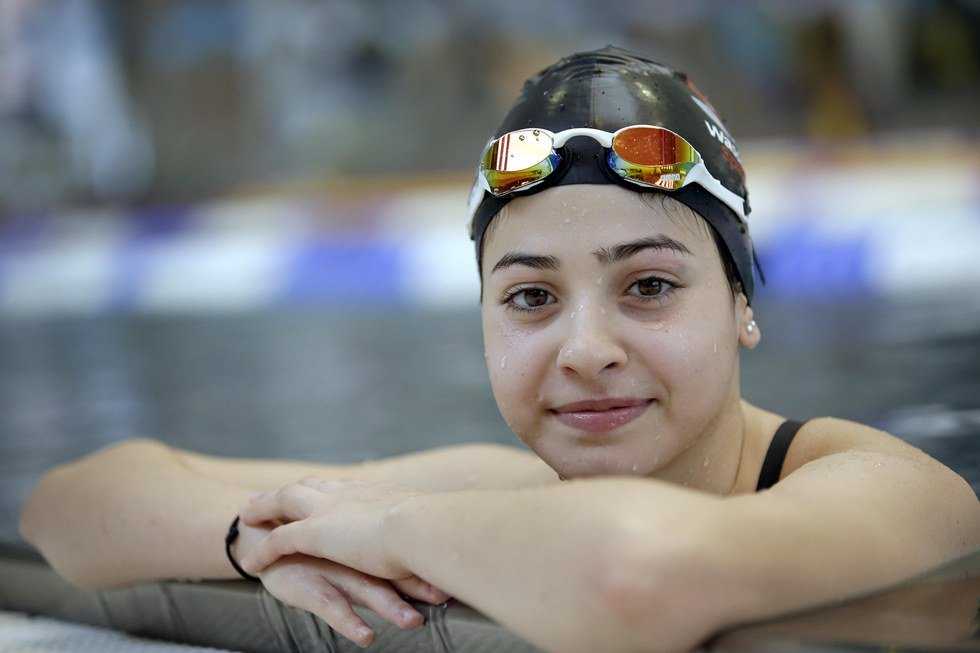
Rio 2016 is the first Olympic Game to have a team made up solely of refugee athletes. This significant event calls attention to the refugee crisis that is currently plaguing the world's population. At the Opening Ceremony, the Refugee Olympic Team was greeted with the loudest applause at the ceremony. This recognition can only give us hope that, despite the humanitarian issues emerging at the Olympic Games, there is strength and power in unity. I love to watch the sporting events at the Olympics as much as the next citizen of the world, but I hope that this time we won't only be concerned with who gets what medal, but by how we can use this act of temporary unity in order to change the world for the better.