Representation is defined as “the description or portrayal of someone or something in a particular way.” The impact of seeing yourself represented in pop culture and the media starts as early as age four or five, when kids are becoming interested in superheroes, princes, and princesses. Representation is still important in older adults, like seeing the 90 year old woman dancing and advancing to the next round on "America’s Got Talent." Why should all races, sexualities, genders, body types, etc., see themselves represented positively? The answer is simple: everyone deserves to be represented and have a role model that is like them.
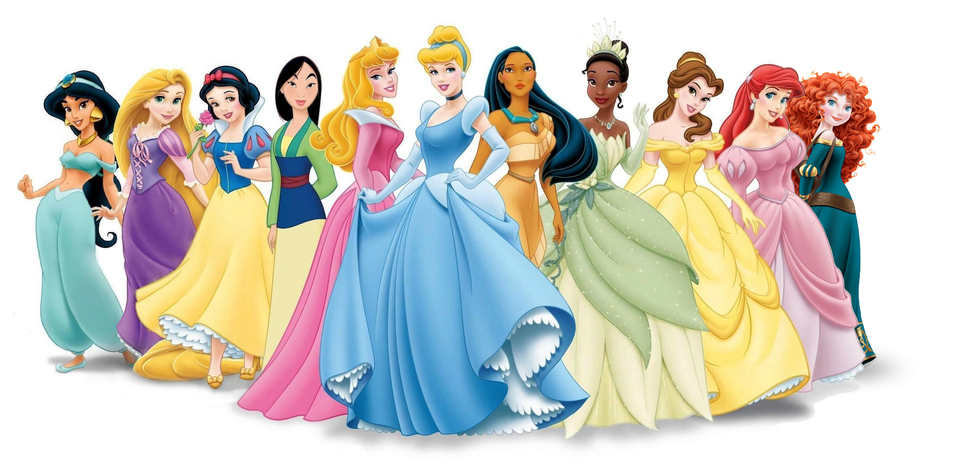
Growing up, there wasn’t a black princess. Although I loved Cinderella, Belle, and Snow White, I wished there was a princess that looked like me. In 2009, Disney created the first black princess, Princess Tiana. Pictures of little black girls and boys smiling ear to ear with their Princess Tiana and Prince Naveen dolls flooded the Internet. Now, Disney is creating the first Latina princess, Elena.
Representation isn’t only important in fictional stories; reality is just as impactful. If you’ve been keeping up with the Olympics, or staying updated via tweets like me, you have seen that history has been made quite a few times. Simone Manuel became the first African American woman to win gold in an individual swimming event. Little girls all around the country, both black and white, will see how strong and successful Manuel is. They will be motivated to try harder to fight the stereotypes, such as “black people can’t swim” or “girls aren’t as athletic as boys.” It’s important for young people to see physical proof that stereotypes don’t have to be true.
Representation goes past skin deep. Sexuality is something that many young people struggle with. In the past few years, a lot has changed regarding gay rights. Being gay is starting to become more socially accepted, resulting in gay couples staring in television shows, movies, and commercials. I asked a close friend of mine, who identifies as gay, why representation was important to her. She stated that representation “encourages acceptance” and shows people who are homophobic that, “[they are] ignorant for feeling that way because this is a normal thing in society.” Seeing same sex couples tells those struggling with their sexuality that it is okay to be themselves.
Body positivity has been a growing trend in the media lately. Several groups have even taken to the Internet to fight back against “fat shaming” by showing that all body types can wear—and look flawless— in “designated skinny people clothes” such as crop tops, two piece bikinis, and short shorts. To that young twelve year old staring awkwardly in the dressing room mirror, these videos can be just the push she needs to buy that blouse.
My favorite story of representation was a ten year old girl from Texas who received a doll with a prosthetic leg like hers. The video went viral, having had been seen and shared millions of time. Tears were brought to my eyes as I watched this girl cry and scream for joy that the doll looked “just like me!” Losing a limb at such a young age can be hard on a child, often causing them to feel very different from their peers and even the toys that they see in stores. Make believe just became much better for this Texan child and many others like her.
Being represented shows us that anything is possible, whether it be a little boy believing that he can grow up to be a nurse or a young athlete being motivated to train towards the Olympics. There are people out there that are just like us, accomplishing their dreams, breaking barriers, and destroying stereotypes. Representation is important because every person should be able to turn on the television or open up a magazine and say, “Hey that person is like me!”