

I was diagnosed with OCD in the fall of my junior year in high school ("the September when the sky fell down," as I like to refer to it). Nothing seemed more unlikely to me than the thought of me having "the cleaning disease". My room was a seemingly unending pit of trash and dirty clothes--ask my mom, she'll happily attest. I am a textbook-Type B; unorganized, unkempt, indifferent, so this is the first argument I posed to the doctor when she put OCD on the table, and this is when I learned that my preconception of OCD was entirely inaccurate.
Looking back, it's really incredible to me how little I knew about OCD. TV shows, movies, and pop culture all like to present OCD to us in an immaculate and perfectly-dusted/polished display case with mostly false representations of this very serious disorder. There's even a TV program called "Obsessive Compulsive Cleaners" which presents OCD to the public as a hurricane of hand-washing, kitchen-mopping, desk-reorganizing-induced madness.
Of course, cleanliness obsessions and compulsions are entirely valid manifestations of OCD; if they weren't, they wouldn't be put on such a high pedestal in the public eye.
However, herein lies the problem. Society has become familiar with OCD as something that plagues us all. We have to have our papers in a perfectly even stack and we can't let different foods on our plate touch each other because we are all "just so OCD about it."
Here's the truth.
OCD is a severe type of anxiety disorder. Types of obsessions for a sufferer can range from sexuality to germs to religion to pedophilia. The obsession is the Great Fear of the OCD brain; this fear crawls into a cozy back corner in your mind and makes it nearly impossible to get through a single day without letting it affect how you go about your life. Those with obsessions relating to their sexuality, for example, could be faced with crippling anxiety when around someone of the same sex. These people could have no desire to be in a relationship with someone of the same sex, but they are completely taken aback by the fear that they could. Obsessions further incite compulsions, which can become seriously detrimental to the lifestyle of the sufferer. An example of a compulsion is the ever-popular idea of compulsive hand washing. Those who suffer from legitimate cleanliness obsessions may have to repeatedly wash their hands out of fear that they have touched some sort of fatal bacteria. It wouldn't matter if they could physically see the bacteria on their hands--the OCD brain always creates a loophole. Nothing is out of the question. Carrying out the compulsion may provide temporary relief for a sufferer but no matter what, the cycle repeats itself and the fear comes back.
It's because of the seriousness of this disorder that a young woman whose obsessions revolved around the fear that she would eat her drywall compelled her to actually eat her drywall in order to seek out relief from her thoughts, giving her severe medical issues for the rest of her life.
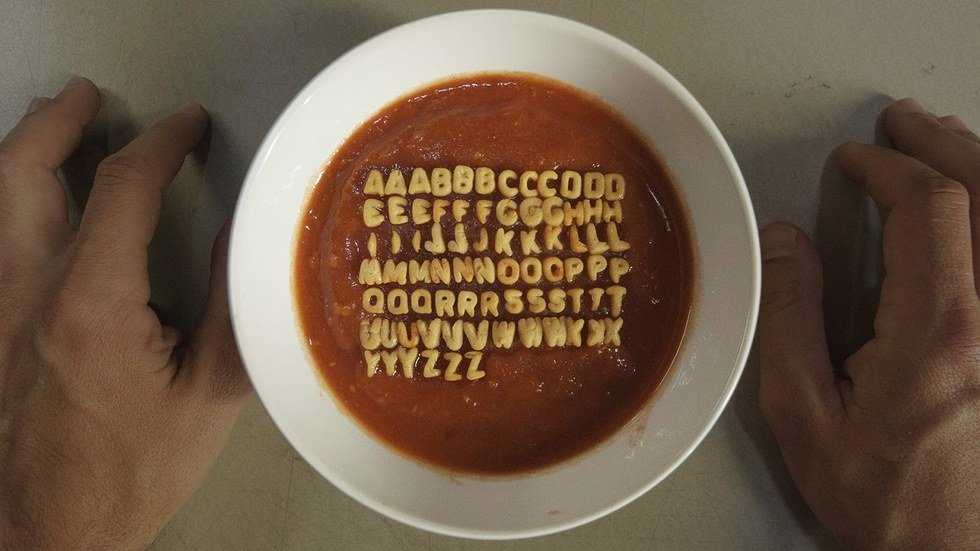
It's because of the seriousness of this disorder that things like this...
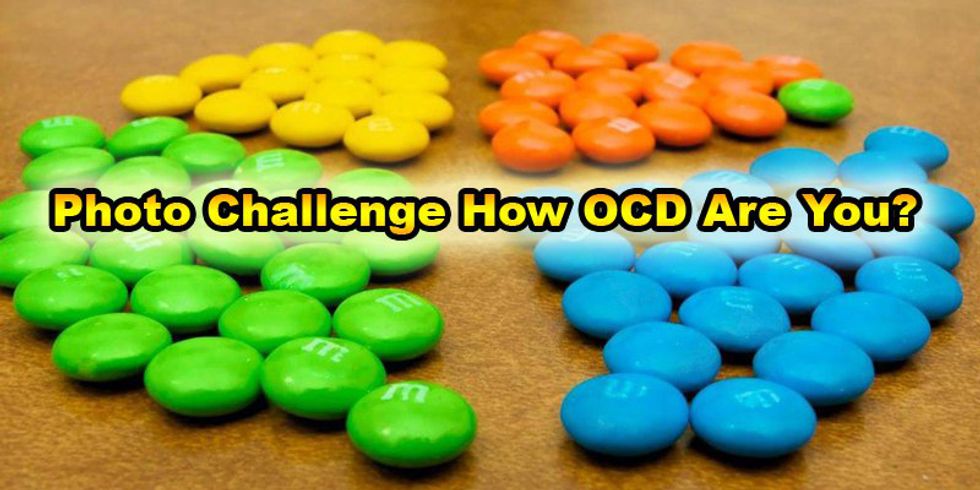
And this...

And this...

....piss me off to no end.
So the next time you're about to say "God, I am so OCD about keeping my room clean," or are describing yourself as "totally OCD" as a shorthanded substitute for what you really mean to be "organized", consider the reality of having Obsessive Compulsive Disorder, and then think again about what you're about to say.