

I, like seemingly many young people, find it increasingly and incredibly important to discuss mental illness. And it's important, especially to me as a first-hand sufferer of a mental illness and someone who comes from a family history of mental illness, that these conversations do not dissolve into preconceived notions or presumptions about what mental illness is.
I find it incredibly dubious that we as a general public can understand that diabetes is simply the inability for insulin to be produced properly, but we fail to understand mental illness in the same manner of simplicity. Mental illness is simply the brain failing to produce the proper amount and combination of chemicals needed to make me feel "normal". My brain is very connected to who I am, but my mental illness does not change who I am--it just changes how I respond to stimuli.
Sometimes, having a different response from what is "normal" sucks (a lot), but I've learned to accept that I cannot and will never be "normal," and miraculously, That is OK.
Some things I've learned to appreciate about my episodic and generalized anxiety disorder:
1. My anxiety has forced me to have a better understanding of myself.
It gives me the opportunity to sort my feelings into two buckets--rational and irrational--and really process how I feel. This clarity allows me to follow a path of thinking and weigh my options based on more than just an emotional response in the moment.
2. My anxiety has forced me to have open and honest conversation about how things affect me and my feelings.
Because I have the ability to process more effectively, I also find myself more willing and able to have a discussion about how a trigger to my anxiety impacted me and, more importantly, why it did.
3. My anxiety forced me to have a wider field of vision.
Part of anxiety is definitely the ability to see something through to the end (typically the worst possible outcome), but it forces me to see all possible outcomes; this, in turn, enables me to separate good from bad and try to mitigate the lesser-desired outcome.
4. My anxiety has forced me to become a stronger person.
My anxiety has forced me to put myself and my health first, which sometimes includes removing people who only serve to worsen my anxiety, or reevaluate what in my life keeps me healthy and work from there.
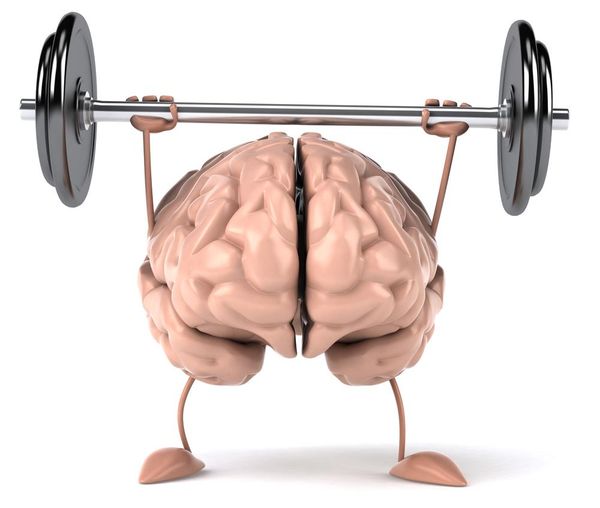
My anxiety defines my experiences, but it doesn't define who I am. Some of my largest sources of personal growth have ties to my struggles with anxiety. While it isn't easy and it isn't fun, I can certainly say my mental illness has given me the opportunity to grow as a person, and knowing that is incredibly rewarding. It is difficult to find the positives in mental illness, but sometimes taking time to identify how you've changed really is a point of strength, one that sometimes is just enough light in the dark.
April is National Mental Health Month. Please be aware of the signs and warnings associated with declining mental health, and seek help if you or someone you know feels overwhelmed or alone. There are multiple anonymous toll-free lines to connect youth and adults to trained crisis counselors, including those that utilize text messaging if you feel uncomfortable speaking on the phone. Utilize friends and family, and seek help from a professional if need be.