
As tragic as it is, it's nothing new to see girls and young women being blamed for the heinous sexual assaults they often face. From Brock Turner and the infamous Stanford rape case to the infinite number of women not even reporting their attackers for fear of being blamed, only whispering it in dark rooms to close friends, it's no secret that victim blaming is a very real problem in our society. But what would the public opinion be when the victim is underage and the offender is an adult, nearly twice the age of his prey? Well apparently it's not nearly as black and white as one would think.
On a summer night in 2012 Nick McKinney, then a health teacher at Noblesville High School, invited two students over to his Indianapolis home where he proceeded to teach them how to do tequila shots. Late that night the girls realized they were too drunk to drive home and McKinney offered to let them stay over, sleeping in his bed. He said he would sleep on the couch. One girl claims she woke up at some point in the night to McKinney lying between them in the bed and putting his hand down her pants. The other girl woke up to McKinney assaulting her the same way and she got up and left. Now, over four years after the fact, the girls have come forward with their stories and McKinney has been arrested on counts of felony child seduction and criminal deviate conduct. (IndyStar)
In a situation like this it's easy to say that the blame is obviously on the adult man who clearly committed a crime against these two underage girls. The problem many people in the Noblesville Schools community are facing is where the line between his responsibility and theirs is. A lot of people, including a wide array of former students, have posted opinions online along the lines of "It wasn't the victims' fault, but they shouldn't have gone to his house or been drinking or agreed to stay the night." They don't outright blame the girls for their own assaults but they blame them for getting themselves into the situation.
Well let me lay it out in black and white for everyone out there:
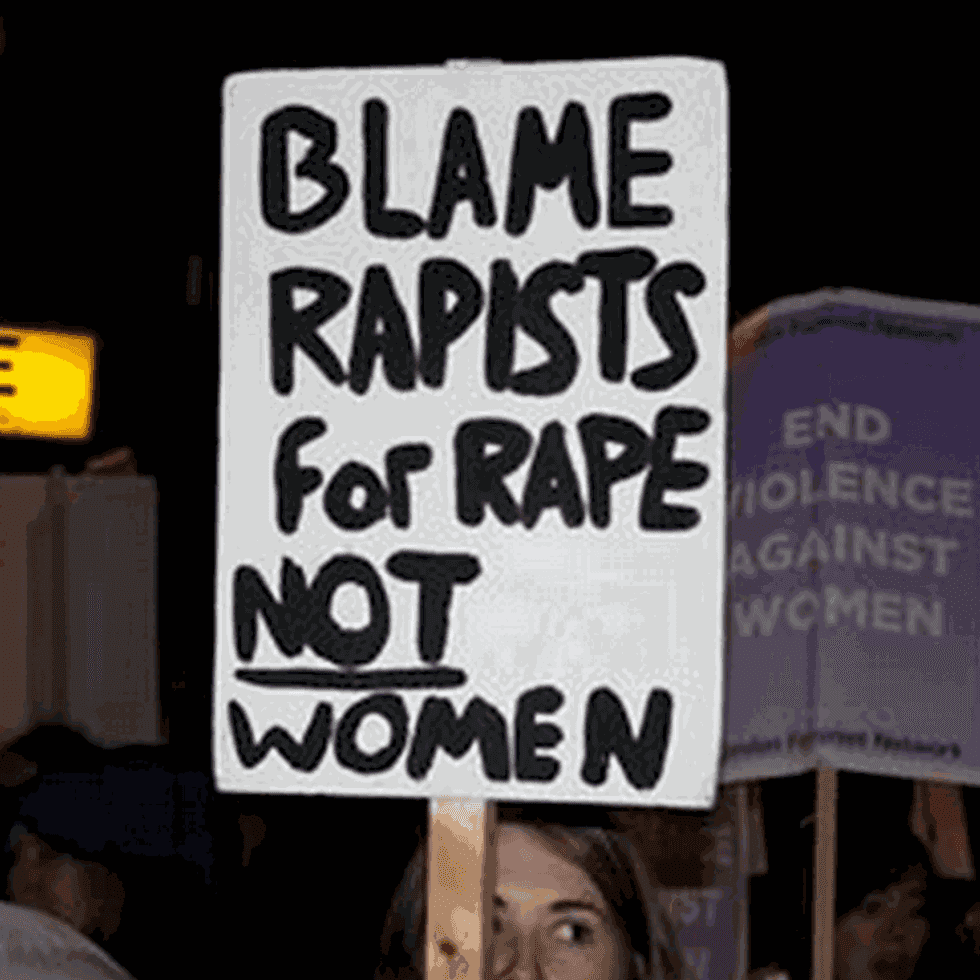
It was not their fault.
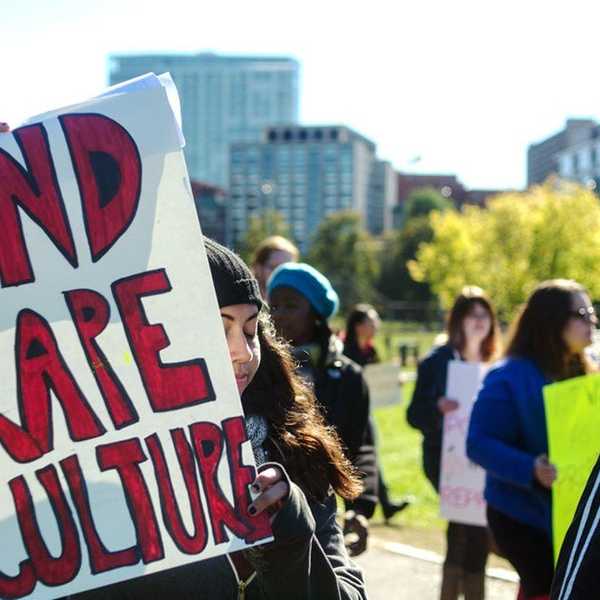
The bigger issue here has nothing to do with a thirty-something man sticking his hands down the pants of two high schoolers while they slept off the alcohol he had given them, even pushed them to drink more of. Now don't get me wrong here, the crime committed is heinous and doesn't deserve any downplay, but there's something much bigger and much more sinister at play here. That thing is rape culture.
By focusing on the girls' actions that night and what led up to the crime on their side it sets a tone for future rapists that their actions are justified if their victim is drunk/ asleep/ dressed in a certain way/ any number of other factors. It doesn't matter what choices the victim made up until the moment of the assault, no one should be held responsible for their own attack. When someone is sexually assaulted or raped any past actions are irrelevant. A crime was committed against them and the only person to place blame against is the attacker. Rape culture is "I'm not saying it was their fault, but..." The "but" does put blame on them, whether that is the intended effect or not.
Let's all take a minute to remember high school and think about any high schoolers we may know now. Try to think of anyone in high school (past, present, or future) who never, ever makes a bad choice. Try to think of one high schooler who never, ever does something they shouldn't. It's impossible, isn't it? Even the "good kids" make poor choices sometimes. It's part of being a high schooler. So by saying that the girls in this case somehow earned what happened to them you're saying that being a high schooler is an action worthy of consequences like this. But being a high schooler doesn't mean you deserve to be assaulted by a man nearly twice your age, a man you trusted as an authority figure, does it?
Another big part of the rape culture affecting all Americans is the way blaming one victim effects all victims. It's no secret that the vast majority of rape and sexual assaults go unreported. That's not because the victims don't want their attackers brought to justice, it's because they know that more likely than not their attackers will never spend a day in jail and they, as victims, will be blamed because of their clothing, their alcohol consumption, their past relationships, their reputation, etc. It's common knowledge that the American justice system puts victims of sex crimes at a huge disadvantage, and that's why so few victims ever come forward.
That being said, one in five women will be the victim of a sexual assault or rape in her lifetime. Survivors are out there everywhere. They are your friends, neighbors, roommates, classmates, sisters, cousins, and girlfriends. They are your twitter followers and facebook friends. They see and hear what you're saying. Imagine being the victim and survivor of a rape or sexual assault, facing a kind of trauma that most people simply can't relate to, and seeing your friends and classmates saying that another victim deserved what happened to her or that it was in someway justified by her actions. It would be pretty hard not to take it personally, don't you think? As a victim it's very hard not to think "Well wait, I was drinking too when my assault happened. So was that my fault too? What would you think of me if you knew?" It's nearly impossible not to draw parallels, even if the victim has come to terms with the fact that their assault was not their fault, and this often leads to a lot of self-blame, guilt, and revisiting of the original trauma.
Rape culture isn't just a term on tumblr, thrown around by radical feminists. It's real and it's hurting people everywhere everyday. It doesn't take much to show your support for the victim of a sexual assault or rape, especially in a case so public, but it can be so detrimental to so many people to state an opinion focusing on the actions of the victims and not the actions of the predator. Everyone makes mistakes and poor choices but nothing justifies attacking another person. It's small steps but every person who takes the steps toward ending rape culture is helping save one more victim from continued trauma and heartbreak and helping put more and more attackers behind bars. There's nothing that any person could do that makes them deserving of being the victim of such a heinous crime. It is never the victim's fault.