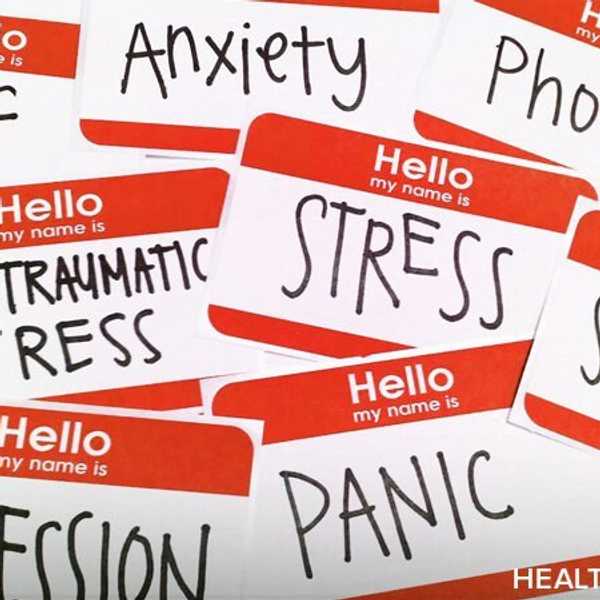

Whether you know it or not, you probably know someone who suffers from a mental health disorder. Depression, anxiety, schizophrenia and even substance abuse and eating disorders all fall within the spectrum of issues considered to be mental illnesses. Here are some helpful things to keep in mind when you're helping to support a person battling mental illness.
1. They will have bad days
There's always a lingering hope that when a person battling a mental illness begins asking for help and develops a support system, they will be better in no time. Unfortunately, this is not the case. There will be days when an addict craves a fix, a depressed person is apathetic or suicidal, or a schizophrenic has intense hallucinations. When this happens, it's better to try for optimism instead of pessimism. Make sure your loved one knows the bad days will come, but that good days will come along with them and that they are not alone.
2. Ask how you can help
When I finally told my parents about my diagnosis with a mental disorder, their first question was how they could help. I didn't realize until the words had left my dad's mouth that they were exactly what I needed to hear. So many people assume that they know what's best for their loved one, and don't take the time to ask what would be most helpful for them. Some people might want an accountability partner, others ask for a shoulder to cry on and some might need for things to continue exactly as they are. Each illness is different and each person is, too, so make sure you know what would best help.
3. Triggers can come in all shapes, sizes, and forms
When relating to mental health, a trigger is something that causes a person to flash back to an event or feeling. Triggers often cause a person to have episodes of heightened emotions such as fear and anger, which can lead to harmful and detrimental consequences if not properly dealt with. Triggers are very personal things and different for everyone. You may not know what someone's triggers are, and that's perfectly OK. Just remember to tread lightly when dealing with topics you know are triggering, and keep a mental list of things that help when your loved one encounters a triggering experience.
4. Honesty is the best policy
Mental issues can leave some people incredibly fragile, but no one enjoys being lied to. Telling someone the truth is one of the best things you can do for them. Your loved one will need time, and possibly help, adjusting to their reality while battling an illness at the same time. Being honest with them about their situation while being supportive helps them find healthy ways to deal with the problems in their life, as well as healthy responses to positive things that occur.
5. They might be scared
We're all afraid of something, and mental illness is often a scary thing! The person you're trying to help might be scared of letting you get too close, afraid of hurting you or being hurt by you, or even just terrified of you or of themselves. These fears might be irrational or completely reasonable, but it's important to be understanding of them regardless. It's OK for them to be afraid, and it's OK for you to be scared, too, but remember to be supportive throughout this fear.
6. Patience is essential
A mental illness really messes with a person's body and emotions. Mood swings, shifts in behavior, body changes and sleep cycle shifts are just some of the things that can occur in a person's life when battling mental health issues. These things aren't ideal, but it helps to not let them irritate you when attempting to help your loved one. An off day might cause unusually irritable behavior or reckless actions. It's good to keep your loved one accountable for this, but you should also keep in mind that their battle includes these hardships. Recovery is a long process that will help return your friend to a state more normal for them.
7. They aren't incapable of being on their own
It may seem like a safe bet to assume that your loved one needs someone watching over them all the time. This is a nice sentiment, but can often leave someone struggling with mental illness feeling smothered or irritated. If your friend or family member is asking for companionship, of course you should consider being there, but if you feel that your loved one wants some alone time, it's usually better to give them a little bit of space. The only way that someone can truly handle their illness is if they can handle being alone some of the time. (Note: If you have any suspicions that your loved one will do something harmful or self-destructive while alone, talk to them about it, check on them regularly and if absolutely sure that they will do something bad, go to them anyway. It's better to be safe than sorry.)
8. Their disorder does not define them
This is probably the most important thing to remember on this list: A mental illness does not define anyone. The person you know and love is still here, and a diagnosis or prescription doesn't change that. Certain aspects of your relationship with your loved one might change, but others might stay exactly the same. Some personality traits may shift, but some might remain constant. No matter what, remember that there is more to them than just the disorder they struggle with.
Every mental disorder is unique and every person is unique. Different illnesses affect different people in various ways. Hopefully, these things will help you to be a supportive friend or family member when aiding them in their battle against mental illness.