
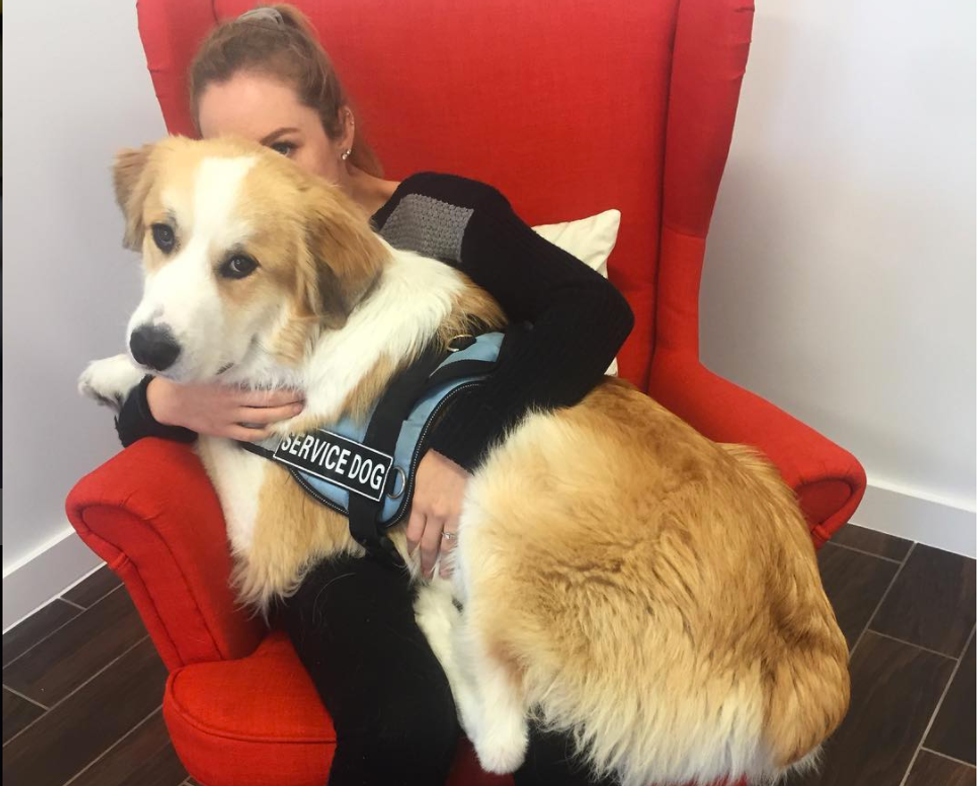
Service dog handlers are usually on edge due not only to their conditions but the constant staring and questions from the general public. On top of that, there are certain individuals who feel the need to mutter rude comments at us if they do not agree with working dogs or are simply ignorant about service animals.
We have heard things such as "why is there a dog in here?" with a snarl and my favorite: "leave your dog at home if you don't want people petting it."
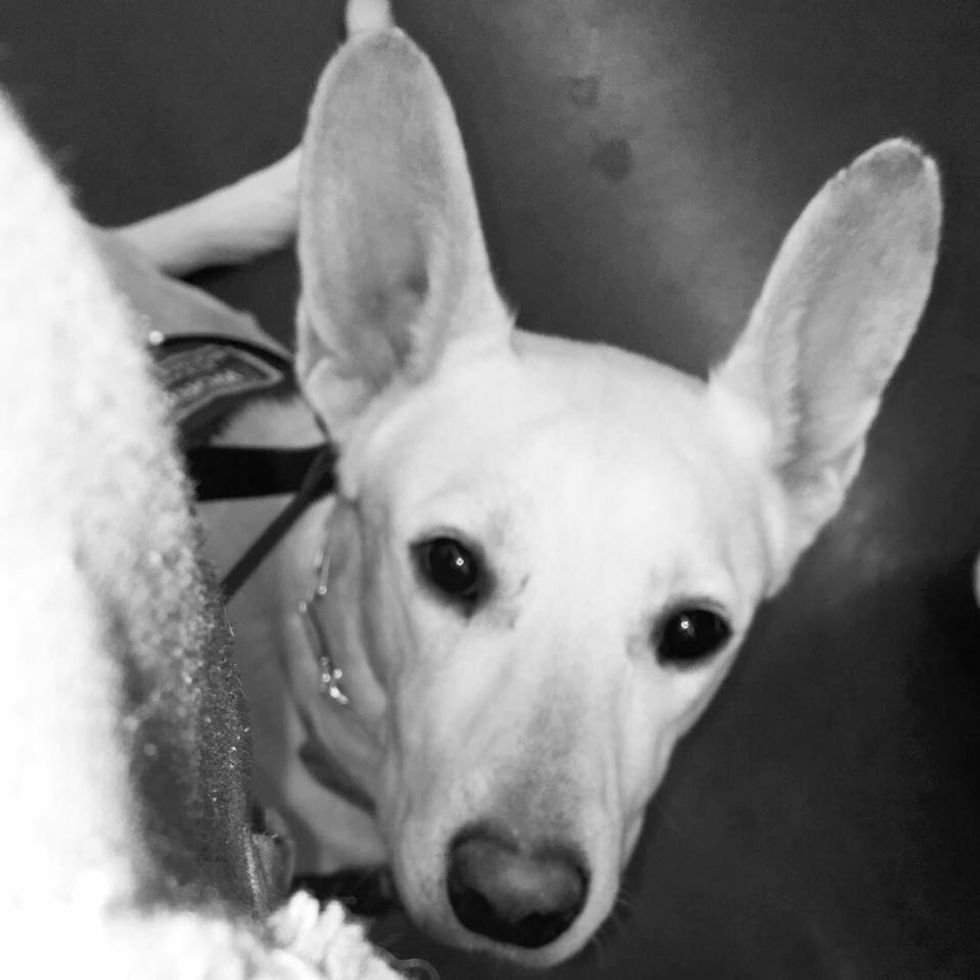 "At Walmart, Sheik gave me an alert to a seizure so I could get to a safe place."
If the color of your hypothetical bright pink neck brace sparked many conversations in public, would you be OK with every person touching it? No, because people touching your neck brace and moving it around makes the brace unable to do its job and support your neck.
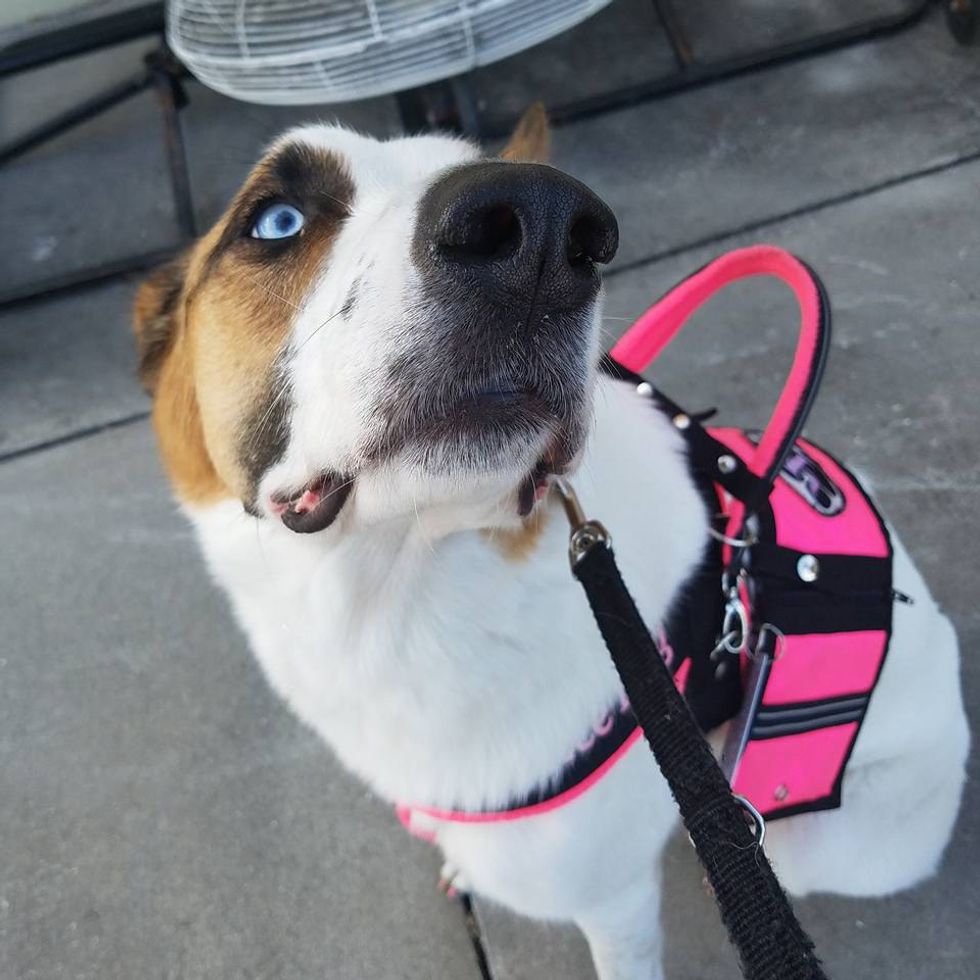 Service dog, Kida, alerts handler to an oncoming anxiety attack and "braces" to ensure handler does not fall over at the voting polls. "I almost blacked out, and broke down crying. But I got to be a patriotic member of the community and an important member of this nation in this controversial and game-changing election!"
Just like that neck brace, these dogs have a job and you are making them unable to perform that job if you assume it's OK to pet them. Handlers will tell you if it's OK to pet the dog at that exact moment. Do not be discouraged if the answer is no and do not tell us to leave our medical equipment home because we didn't let you use it for your own entertainment.
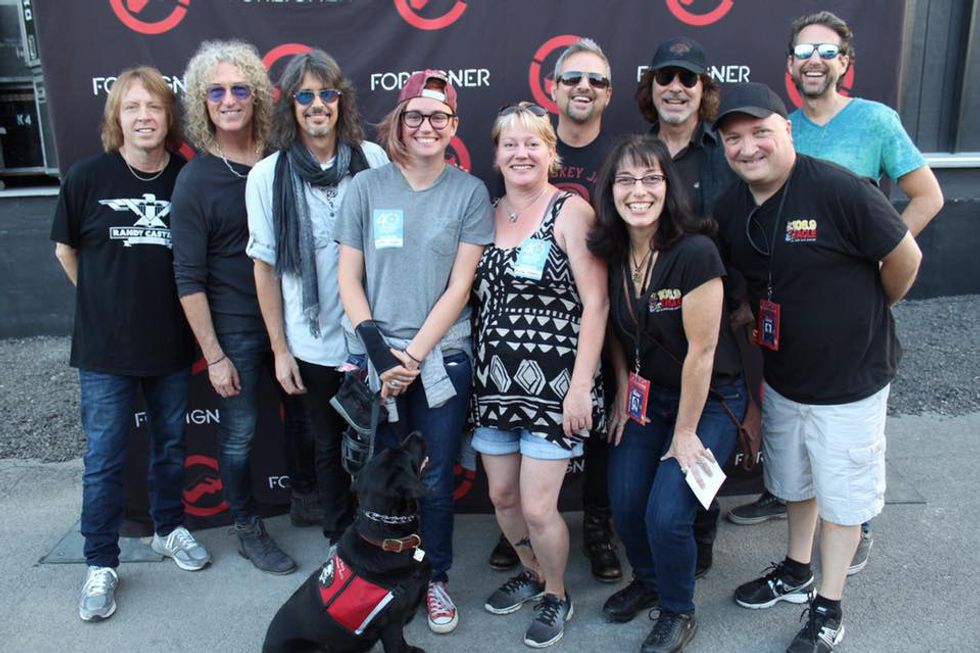 Handler Oliver and her service dog, Lucy "During the show I had to be led out and away from the crowd during a panic attack. Lucy couldn't find my mom, so she led me to the police officer I introduced her to earlier as an alternative "find help" command." Handler has experienced blackouts, fainting and vomiting in the past.
Along with never assuming it's OK to pet a working dog, you should never assume a person's disability. There are numerous invisible disabilities that, while you can not physically see them, they affect the handler immensely. Yelling "she must be blind because she has a dog" is not only inaccurate, but a common service dog stereotype.
Teach your children, family, friends, that these dogs come in public with us because they help us with a variety of challenges that come along with our disabilities, some that while they may not be visible, it doesn't make it any less debilitating.
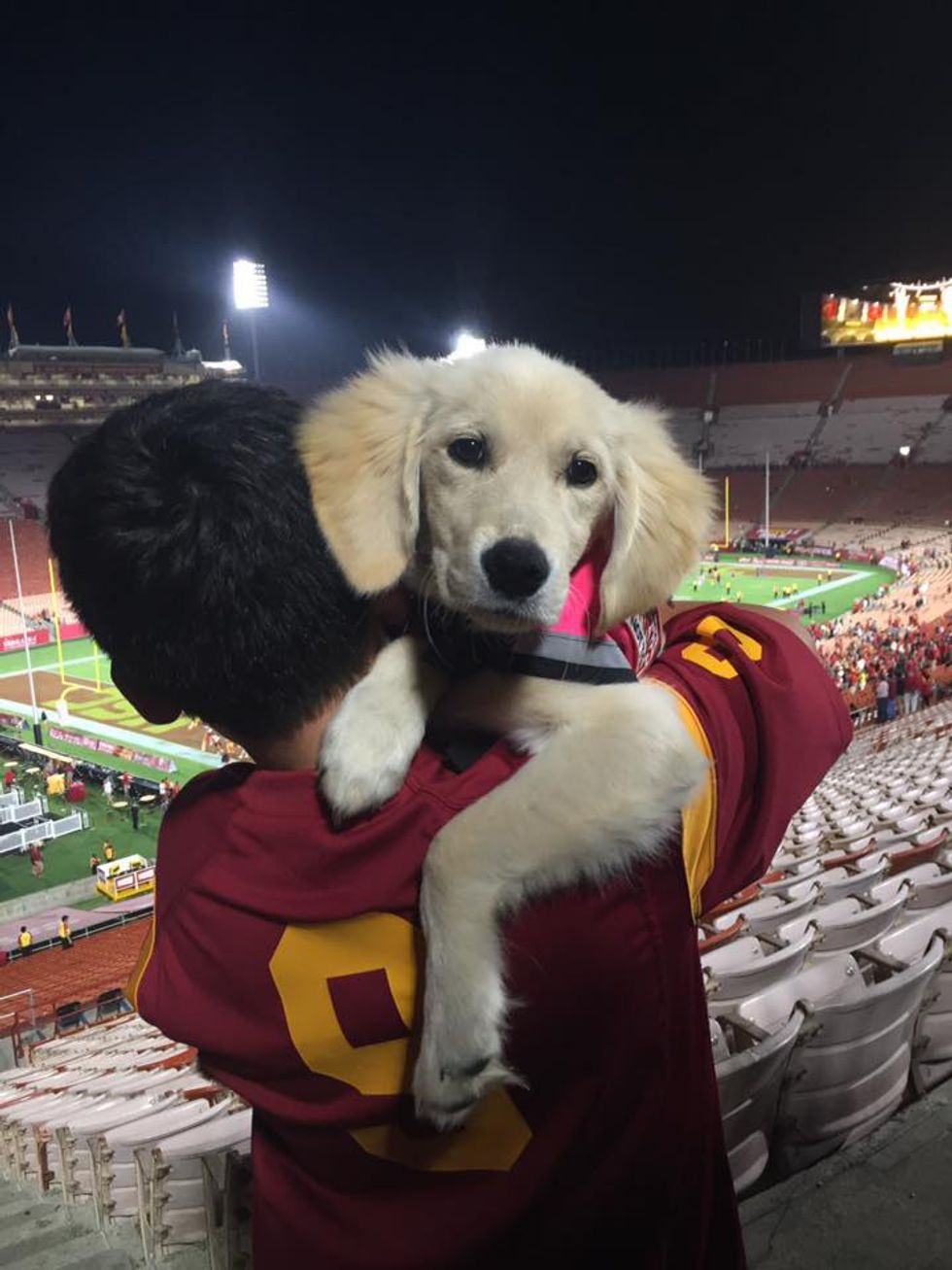 "At a college football game, Luca alerted to a spike in heart rate. It gave me time to sit down and move her into DPT (deep pressure therapy), avoiding the chaos that could've come with unknowingly being dizzy and collapsing."
On another note, for people who happen to stumble upon blind handlers, do not encourage your family and friends to pet a service dog because the handler is visually impaired. That is not only disrespectful, but an invasion of space and taking advantage of a helpless human being.
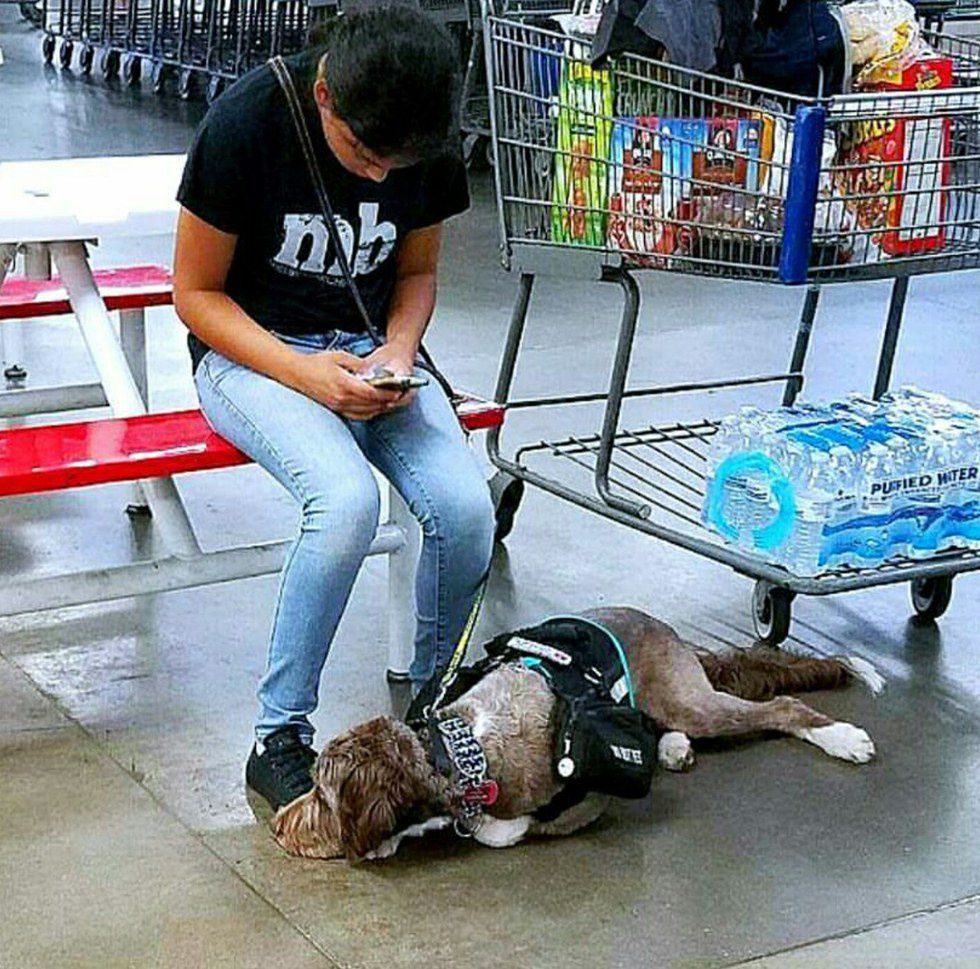 "I look very normal, right? Just a girl and her dog, probably a fake dog because she [handler] looks perfectly healthy! To everyone I do. But what many don't see is how Hazel alerted to the bench before I sat down giving me ample time to clean it with a sanitizing wipe, avoiding a severe allergic reaction from even touching my allergen which could have led to an E.R. trip. This took hours to train and a year to even trust her. Now I trust this dog with my life. Yeah, I look pretty normal, but doesn't mean I'm not sick."
When people look at me with my service dog, they think I look like a normal functioning person. However, inside my body and brain, it is far from functional. Many people make the assumption that I am training this dog and am going to "give him away to a disabled person", therefore making it okay for them to distract him.
Why do people assume he is in training for someone else, other than me? Because I look physically healthy to them. Because I'm not in a wheelchair. Because I'm not blind.
But -- what does a disability look like?