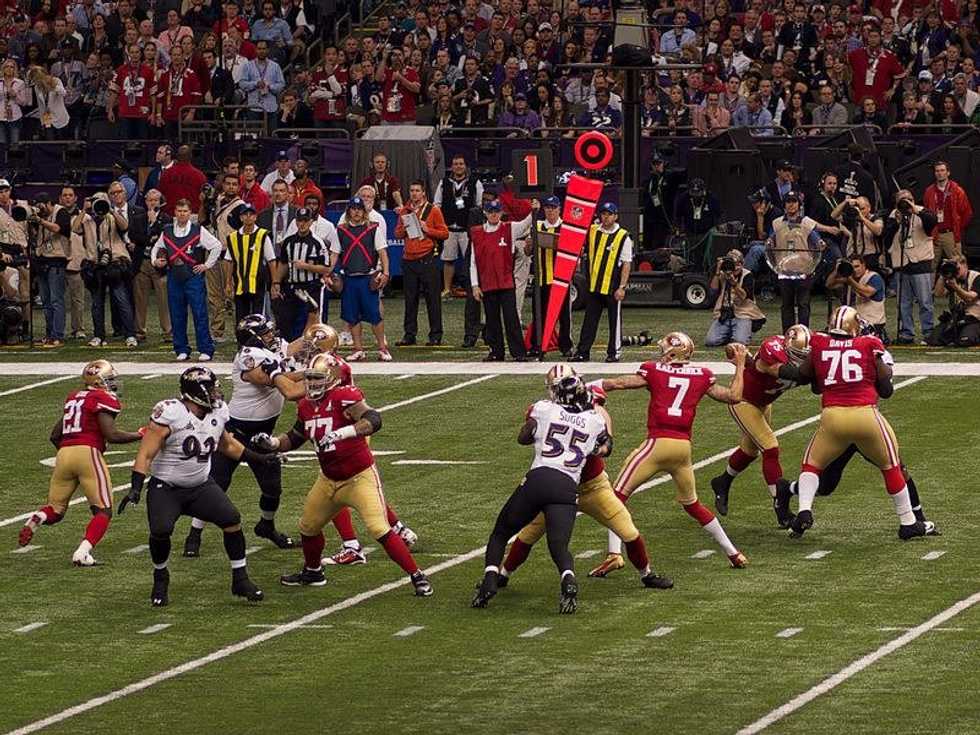
On February 3, 2013, in the Mercedes-Benz Superdome in New Orleans, the San-Francisco 49ers and the Baltimore ravens met in what went down as one of the most thrilling Super Bowls of all time. NFL legend Ray Lewis and quarterback Joe Flacco lead the surging Ravens to a 28 to 6 lead early on in the third quarter. Flacco and company seemed ready to nail-in the coffin on the 49er’s first franchise super bowl loss with another score, until a shocking power outage struck the Superdome delaying play for 34 minutes. The San-Francisco 49er’s used the black out to shift momentum in their favor, rallying back in true dark horse fashion. Colin Kaepernick, San-Francisco’s quick footed quarterback, emerged from the power outage with guns blazing. Kaepernick dominated a stagnant Ravens defense with his competitive edge and raw physical ability, putting 17 unanswered points on the board. With two minutes remaining in the contest, the 49ers had battled their way down to the Ravens 7 yard line, well within striking distance to close the 34 to 29 score gap. Despite their ideal situation, the 49ers failed to capitalize on their final opportunity. A costly turn over on that drive crushed the Niners comeback hopes and lead to a Ravens intentional safety, ending the game with the Baltimore Ravens as Super Bowl Champions.
Perhaps 49ers fans will always wonder how the game would have gone if the lights stayed on. Or how the game would have ended if the Ravens decided to run down the clock instead playing keep away in their end zone and accepting the safety. Super Bowl XLVII or, the BlackOut Bowl, left a lot of questions like these to be answered around the NFL. Despite the ambiguity surrounding the event, there was no doubt about the fact that Kaepernick shined through the BlackOut Bowl as an up and coming NFL Super Star.
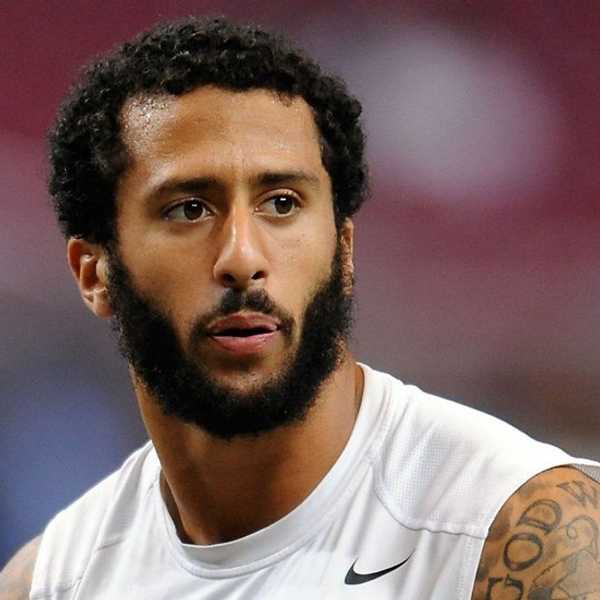
Although the shelf life for NFL players isn’t exactly known for its longevity, no one could have possibly anticipated that in just three short years following Colin Kaepernick’s triumphant transition from back up QB to Super Bowl hero, that he would be struggling to make the cut for the San-Francisco 49ers 53 man roster. After losing the 2013 Super Bowl, it seems the 49ers franchise is now also losing its star quarterback who carried them there. Colin Kaepernik experienced a tremendous decrease in productivity over the course of the 2015-2016 season, and eventually lost his starting job to the current the 49ers current starting QB in Blaine Gabbert. While the NFL is a league of surprises and its more than possible that Kaepernick can regain his starting role at some point throughout the season, as of now, Kaepernick’s once bright future is looking pretty bleak. So how is it this NFL nobody is still making headlines across the country? Well this time it’s not with his awe-inspiring athletic ability, but instead with a very controversial means of bringing awareness to the social injustices minority groups endure living in America.
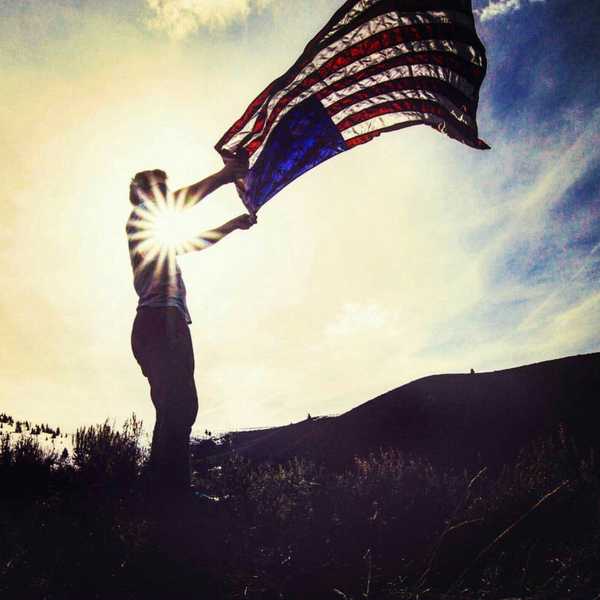
The playing of our American National Anthem at the beginning of sporting events is a sacred tradition held near and dear by American citizens all across the country. For some, the National Anthem is a way to honor our troops; For others, it’s a way of expressing their patriotism. For me, staring at the waving strips and hearing the Star Spangled Banner boom throughout a stadium was a reminder that I play the game of football for a cause bigger than just myself. On Friday August 26th at Levi’s Stadium in Santa Clara California, Colin Kaepernick also showed the world that he plays the game of football for something bigger than just himself. Before kick off as thousands of fans, coaches, and athletes alike rose to their feet in respect for the National Anthem, Mr. Kaepernick was caught sitting on the job. Many Americans, football fans or not, took offense to Kaepernick’s decision to sit during the anthem. Later when asked why he chose to sit out the anthem, Kaepernick responded “We have a lot of issues in this country we need to deal with. We have a lot of people that are oppressed. We have a lot of people that aren’t treated equally, aren’t given equal opportunities. Police brutality is a huge thing that needs to be addressed. There are a lot of issues that need to be talked about, need to be brought to life, and we need to fix those things.”
While there a few who would argue with the justification of Kaepernick’s cause, there seems to be a large number of the population who would argue with the justification of Kaepernick’s means of bringing awareness to his cause. Some of Kaepernick’s biggest critics often cite that he is paid to play football, not to protest. Others challenge his means of protest by claiming his actions are disrespectful to the troops who fight for him. While it is true that Colin Kaepernick is paid to play football, not to protest, it is also true that Lebron James is paid to play basketball instead of protesting. That didn’t stop Lebron from wearing his iconic “I Can’t Breathe” shirt during NBA warm ups to bring awareness to the loss Eric Garner to police brutality. No one seemed to mind when the King decided to take action against social issues in the U.S, and If it was acceptable for Lebron James to do, then there is no reason to single out Kaepernick for his on-the-clock protesting. Critic's second issue with Kaepernick's protest holds more credibility, but still possess major flaws. American soldiers embody the passion of the country, and its their efforts that protect our freedoms. It is true that sitting during the National Anthem is disrespectful to the work these brave men and woman do for America, however, social media movements such as #VeteransForKaepernick are revealing that many soldiers support Kaepernick’s cause or at least support his right as an American to pursue that cause. After all it is the essence of the American spirit that our soldiers put their lives on the line for, and while Kaepernick's means of protest could be more respectful, his mission to bring equality among all races is one that all Americans should be able to agree on.