The environment, when given a broad enough time period, is an ever changing, fluid thing. Continents can shift, mountains can form, and various beatings from the elements can all drastically alter a landscape. The largest force in long term change to the environment is generally scene as global warming. The polar regions of the world are becoming warmer and the jungle regions in turn are becoming more humid. This may not seem like much of an issue to the living, but to those long dead and that which they left behind-it's a disaster waiting to happen.
The rising temperatures, which leads to the melting ice, have posed a problem for archaeologists. Specimens are being revealed and decomposing before anyone can get there to examine them. Ancient animal and human remains could be gone by the time anyone realizes they were there to begin with. Certain objects trapped in the ice, mainly those made of wood, could be at risk as well if they surface without someone there to preserve them. This is only one issue that comes out of the many sided die that is climate change.
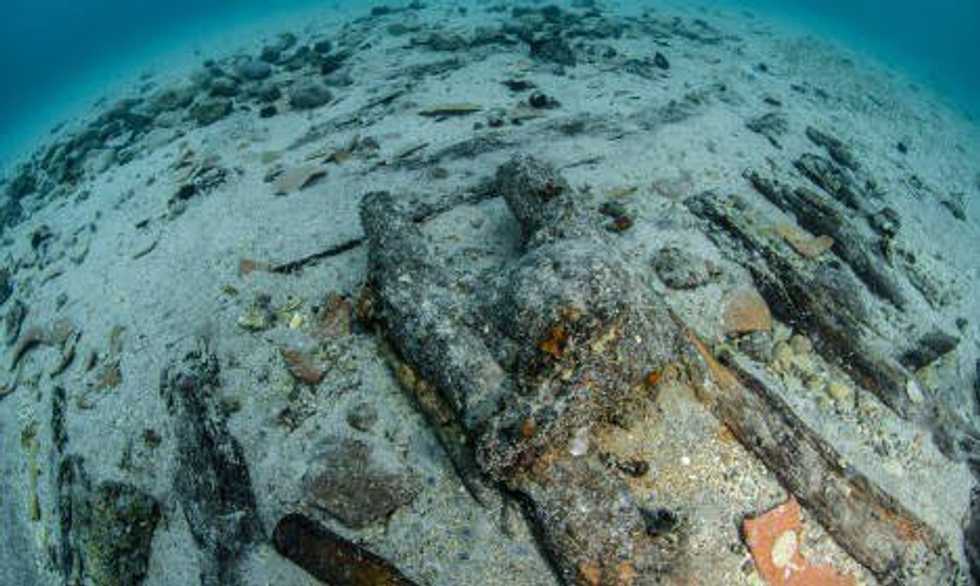
Another change that bodes naught but ill for certain artifacts is the shift in temperature of the oceans. Shipworm, a type of mollusk whose favorite snack is your friendly neighborhood wooden ship, was recently found closer to Norway than previously thought to be able to survive. Until this time the waters were considered too cold for the sea creatures to thrive. The receding ice in the area does have one benefit assigned to it. Shipwrecks that were unknown before have recently been brought to light. Some of them date back as far as the 1500's. This small glimpse of good fortune is merely the bucket being used to bail water out of a rapidly sinking ship.
Refocus the lens on an are that is decidedly supposed to be warm and it can be seen that climate change also has drastic side affects in those regions. Mummies are prime examples of this. Specific conditions must be met in nature in order to form one naturally, and for those helped along by humans, they also need relatively stable conditions to stave off decomposition. This can be seen in detail in parts of Chile and Peru. Mummies that have been around for roughly 7,000 years have begun to undergo rapid deterioration as the levels of moisture in the air increase. It is not hard to imagine that some of these specimens may be entirely decomposed by the time archaeologists are ready to examine them.
The consequences of climate change do not simply apply to the living. They impact those who have gone before in that we are slowly but surely losing bits and pieces of the story that brought us here. Hopefully someday we can find a way to stop this disaster in its tracks. Until then, here's to those trying to preserve the past before it becomes lost to us entirely.