
Before June 23rd, 1972, girls at many schools and universities had to use a separate entrance. They weren’t allowed to take classes such as auto mechanics or criminal justice, and to gain admission to many colleges, they had to have higher test scores than their male counterparts. When they were on campus, they were forced to abide by a midnight curfew. For the most part, athletic scholarships did not exist, forcing athletes like swimmer Donna de Varona, who won two gold medals in the 1964 Olympics but could not find a swimming scholarship, to find another way to pursue what they loved. Before June 23rd, 1972, equity, it seemed, did not exist.
*****
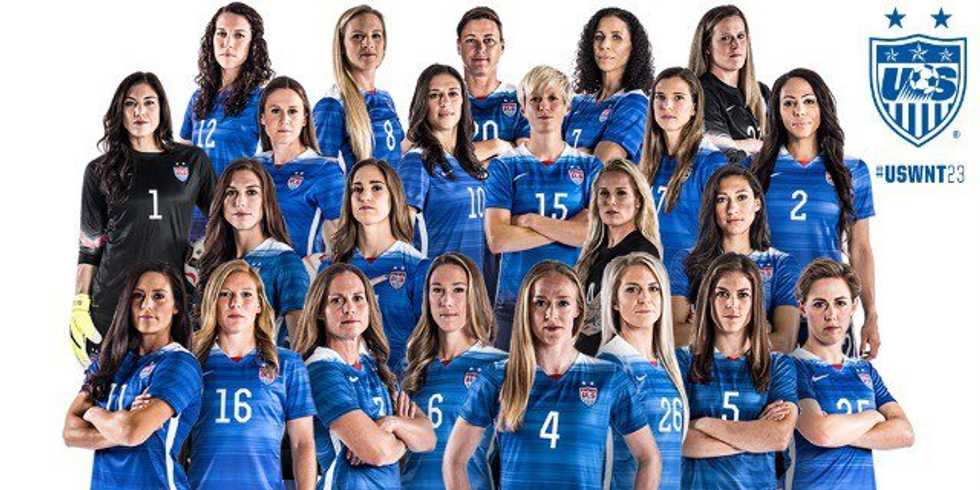
On Tuesday night, the United States Women’s National Soccer National Team took on Germany in the semifinal of the World Cup. In the 84th minute, after a tightly contested first half, substitute Kelly O’Hara came off the bench and netted a diving volley to not only put the United States up 2-0, but to put the German team out for good.
*****
On June 23rd, 1972, Congress passed the Education Amendments of 1972. Within these Amendments is Title IX, a federal law pertaining to gender equality. It is considered to be amongst the most important of its kind, giving women equality under the law. Though many know it best by its effects on female athletics, it encompasses a much broader scope.
The physical law begins as such:
“No person in the United States shall, on the basis of sex, be excluded from participation in, be denied the benefits of, or be subjected to discrimination under any education program or activity receiving Federal financial assistance.”
Athletics are not mentioned at all in the writing of Title IX, but the increase in women’s sports since are perhaps the most easily recognizable influences of the amendments. The rise in popularity and prevalence of female athletes is a direct impact of Title IX, and many professional athletes, including some of those who contributed to America’s victory over Germany, are grateful for that.
“We were versed in Title IX as we grew up, but I think it became more important to me as an athlete the older I got because looking back you can really feel the effects of it, and you can really see how far it allowed you to get,” said U.S. goalkeeper Hope Solo in an interview with ESPNW. Solo, despite not being tested thus far in the tournament, has maintained her “Top Goalie in the World” title.
To all of the athletes that played on that field Tuesday evening, Title IX means the world. And though they may not fully comprehend it, many of the girls and young women who watched the game today will be directly impacted by Title IX and what it entails. To them, the members U.S. soccer team are heroes, role models for the players and people they want to be. But not long ago, the same players who will be fighting for the World Cup trophy were dreamers just learning to dribble a soccer ball.
“You’re seeing all these great female athletes being successful, and when I was growing up, all my role models were men, originally,” said Shannon Boxx, a midfielder playing in her fourth World Cup, in another ESPNW interview. “Until you started seeing all these women be successful, and you’re like, ‘Okay, they’re my new role models.”
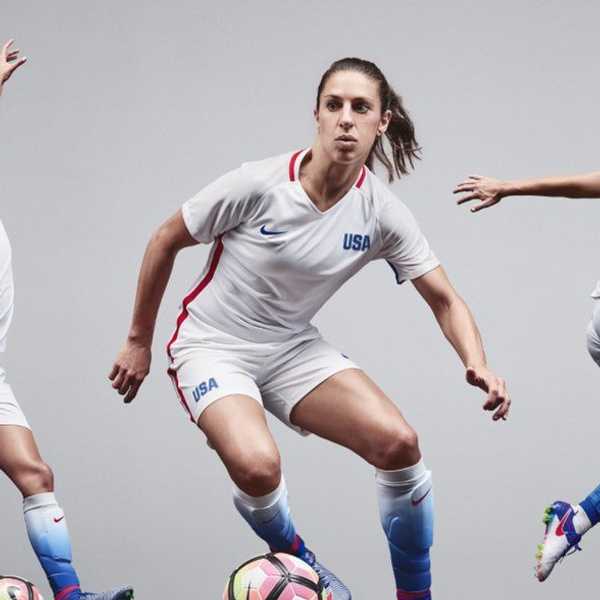
As they enter Sunday’s final round matchup against England or Japan, women like Solo and Boxx are only adding to their heroic resumes. But it doesn’t stop with them. Abby Wambach, the beloved captain who is considered by some as the greatest female player to play the game; Carli Lloyd, who has scored a goal in each of the United States’s last 3 games, including a goal Tuesday; Megan Rapinoe, who’s on-field excellence may only be outdone by the inspiration she provided the LGBTQ community after announcing she was gay; and any other member of the American squad provide inspiration and motivation to millions.
A week after Title IX celebrated its 43rd birthday, all these women will be representing their country and playing to bring home a golden trophy recognizing them as the greatest team in the world. Thanks to Title IX, they will also be representing and playing for those who came before them and those who will follow in their footsteps.