
Though it is a game, I'll be the first to admit that soccer wasn't always fun. The sport takes a lot of work, training, and commitment, especially if you're not a naturally gifted athlete. While sometimes the running drills proved too much for me, and the seemingly endless practices made me want to crawl into a hole, soccer was the best part of my life for a very long time. It kept me active, helped me make all kinds of friends, and gave me something to be passionate about. Even though I didn't go on to play soccer in college, I still consider the sport a big part of my life. Every single day, I run into things that remind me what it was like to play the beautiful game, and dealing with the memories has been a real struggle.
1. Watching your high school/recreational soccer friends play the game... without you.
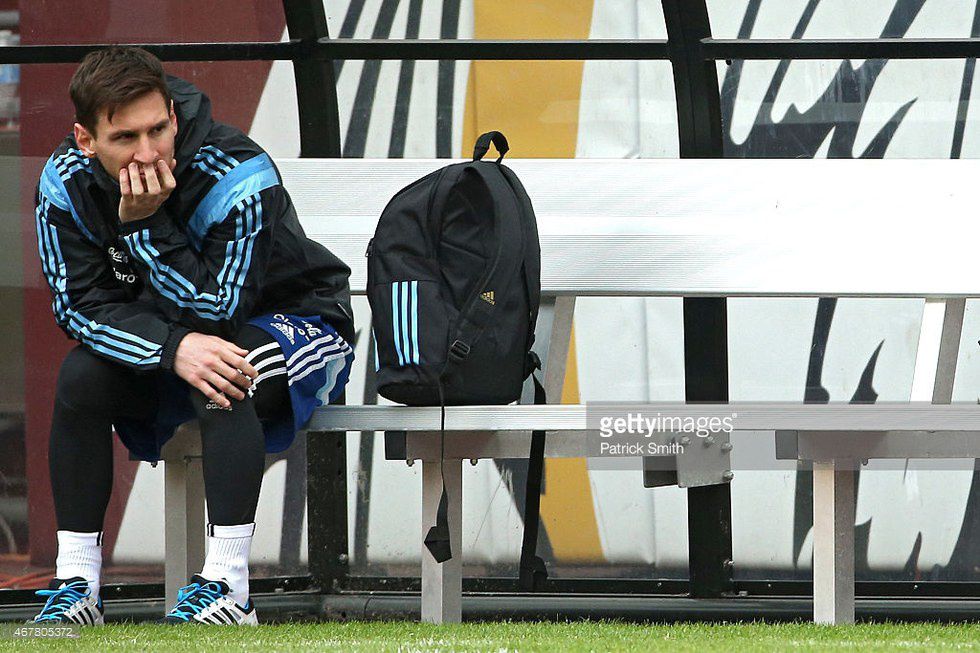
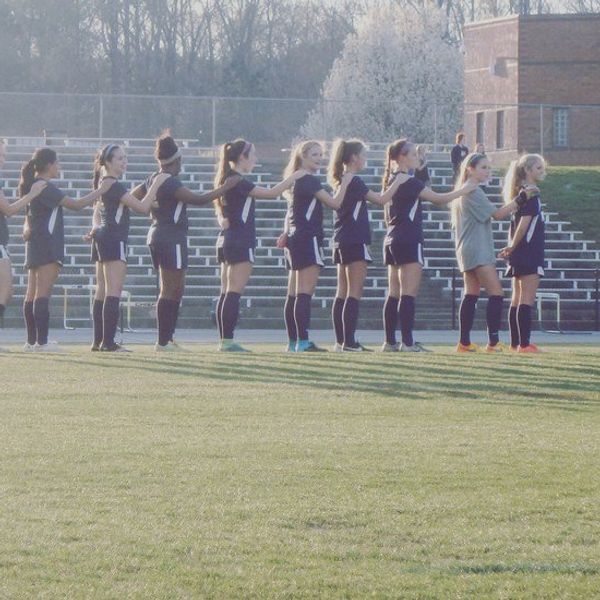
Talk about ouch... I had a lot of younger friends on soccer teams with me, and they don't know how jealous I am that they get to continue to practice and play. I get see Snapchat stories of them practicing on my high school field, bus rides, and pick-up games at the local soccer complex. How heartbreaking.
2. Not having enough time to play on the intramural teams on campus.

It is extremely painful to know that you COULD continue to play the game, but life simply gets in the way. For me, my previous soccer-related injuries prevented me from signing up for intramural sports, and it really broke my heart.
3. Realizing how out of shape you are.

This was probably the thing I struggled with the most after I quit playing soccer. For the first time in eight years, I did nothing active during the soccer season or the summer, and it really kicked me in the butt. Soccer gave me a special kind of motivation to get out onto the pitch and run my heart out, and since losing that, I've had no reason to really go exercise for any reason. It's been rough.
4. No one understanding why you are constantly referring to soccer players/teams.
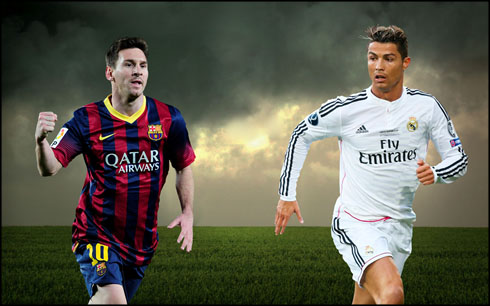
This happened before I was an ex-player, but now that I'm not constantly surrounded by teammates who understand my obsession, it's even worse. My non-soccer-playing friends will never fully grasp the intensity of Messi v. Ronaldo debates, how big of a deal the Balon d'Or is, or how badly all soccer fans want to see the USMNT in the finals of the World Cup.
5. Not feeling like part of a team anymore.
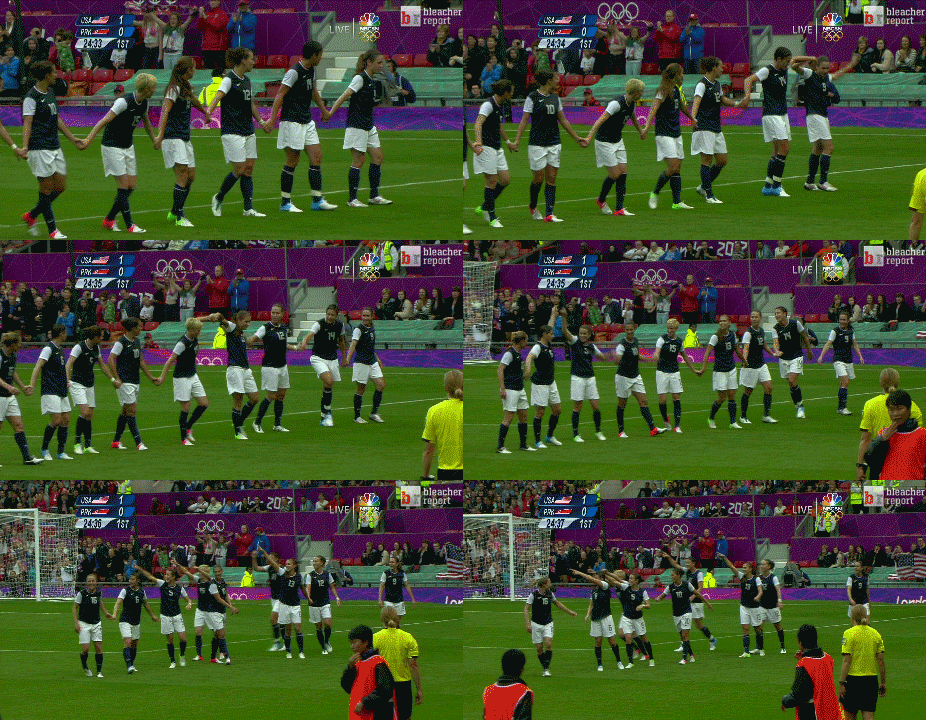
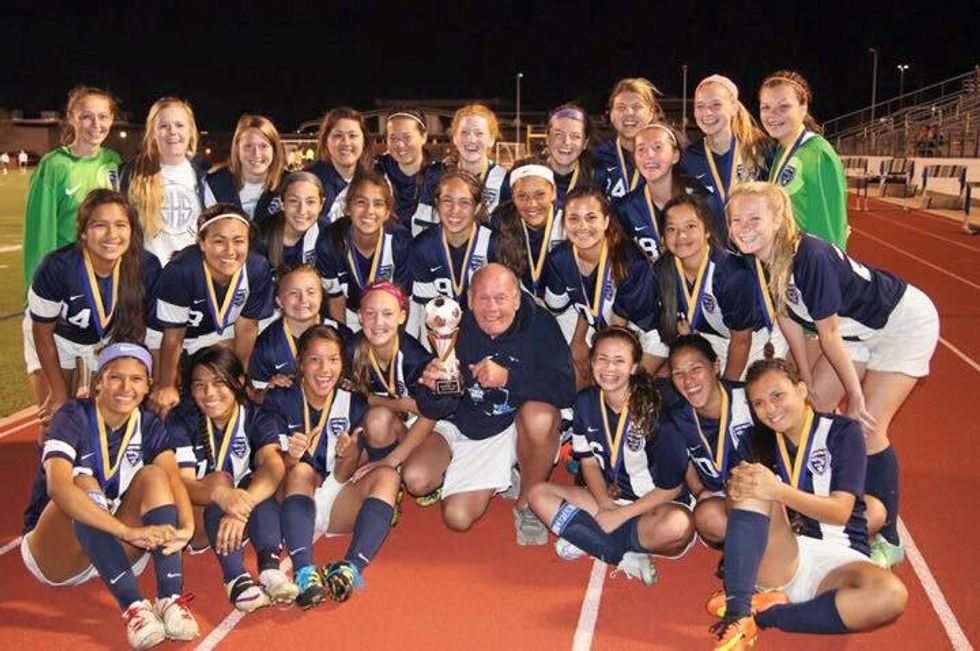
It seemed as if my soccer team was always there. I always had someone to talk to at practice, and some of my longest-lasting friendships came from a teammate relationship. Being without a team is hard because it was always my experience that I had a few dozen people who were willing to back me up or help me out when I needed it.
6. No longer having a (relatively) safe outlet for aggression or extra energy.
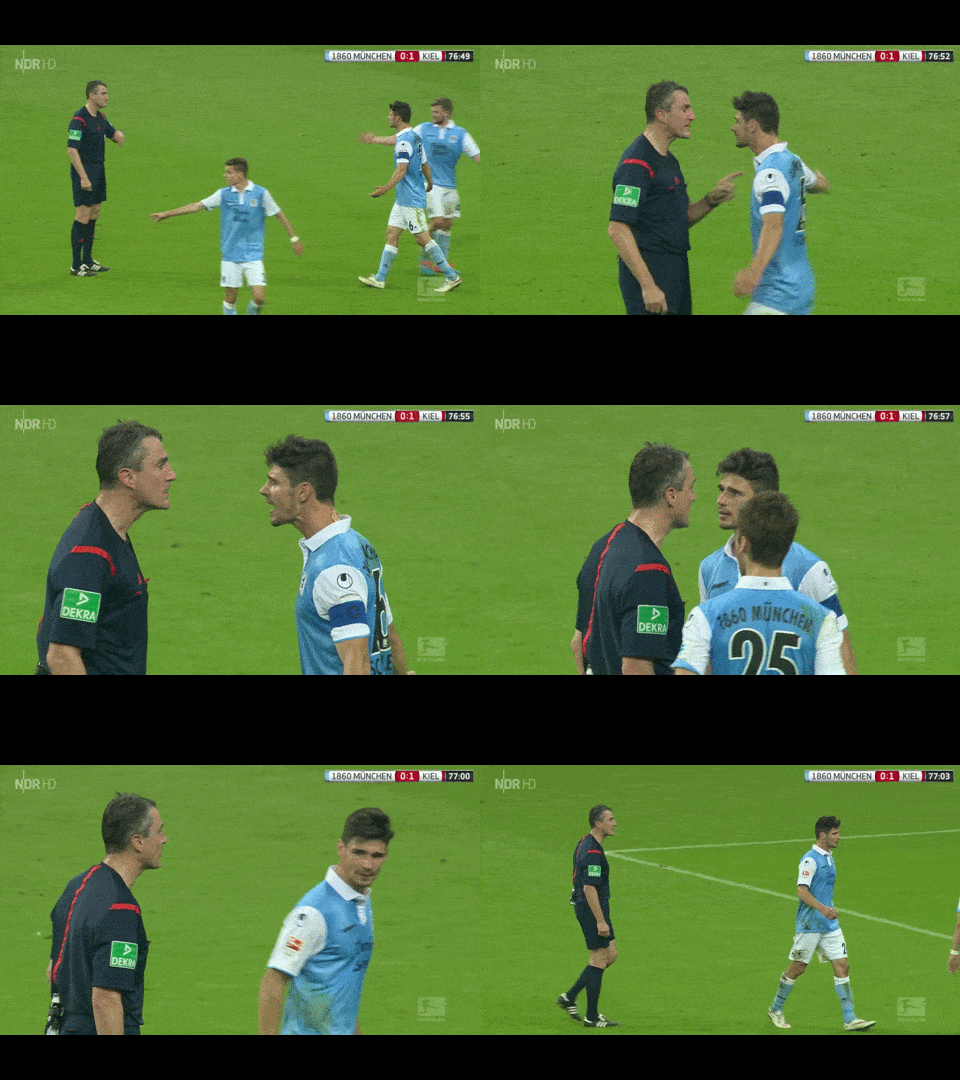
It's well known that sports are a healthy way to take out aggression and relieve stress. Soccer was my escape from everyday problems, and my competitive spirit came from that day's frustrations and problems. No longer having soccer to help me through long days has forced me to find different ways to control my emotions.
7. Not getting into soccer games for free anymore.
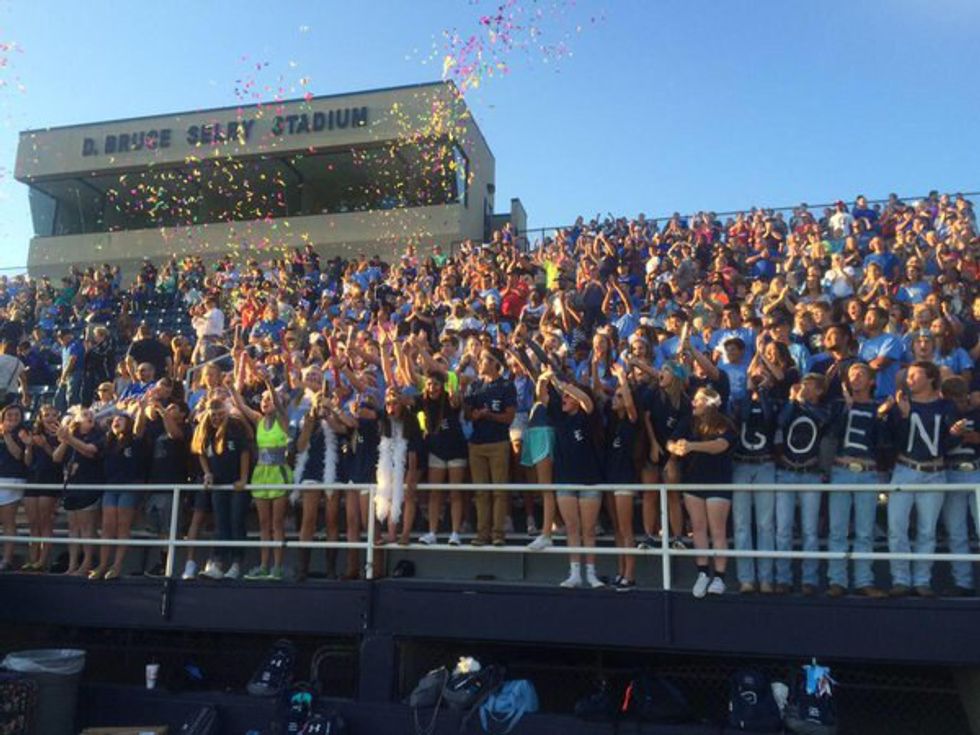
A major perk of being an athlete in high school was watching your male/female counterpart team for free in the stands and cheering them on (not to mention the free food). Paying to get into soccer games is pretty disheartening, but at the same time, supporting your school and ex-team is kind of a good feeling.
8. Showing friends pictures of the newest boots/shin guards/balls and seeing them quite unenthusiastic.

This one hurts me (these babies are drool-worthy). Soccer players develop a fashion on the field, mostly modeled after the players in the national and international spotlight. It's actually quite a big deal when new gear is released, and as I've learned by being on an all-female soccer team, cleats are like prom dresses: you should never match each other.
9. Having to make up your own exercise routine.

I'd never had to do this for myself, because for as long as I can remember, soccer did it for me. It is so difficult, and I've realized that this semester. Since I no longer have a sport to justify the exercise, I don't have a true goal with my workouts, and it's very hard to come up with exercises if you have no purpose for them other than to stay in shape.
10. Not having anyone to work out with... much less an entire team.

Not wanting to be embarrassed in front of my entire team really pushed me during practices and workouts when I was a player on a team. My teammates were also always encouraging and pressured me in a positive way to be the best player I could be. I miss suffering through workouts with my teammates; they made the struggle bearable, and we made stronger friendships through the hard work.
11. Feeling disconnected to the sports community and, by extension, to a part of yourself.
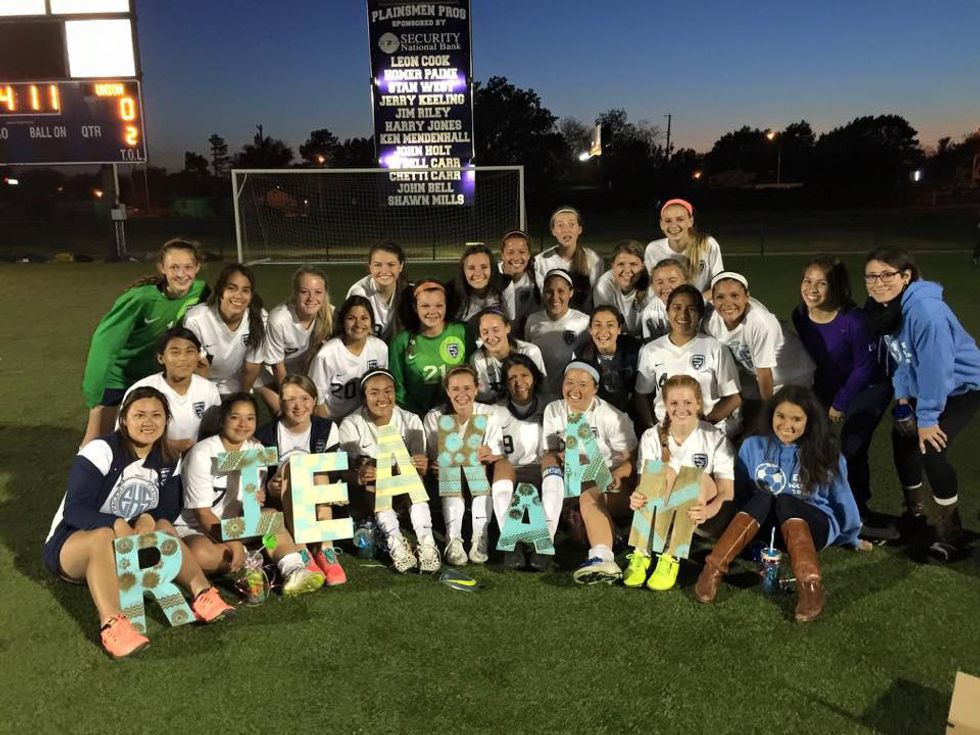
I grew up as a soccer player. I was always on the pitch, always at practice, and always getting pumped for weekend games and riding buses to matches. I miss it so much because "soccer player" became a distinct part of my personality. Soccer taught me determination, self-control, humility, sportsmanship, and work ethic. It guided me through major transitions in my life and was like a friend who was always there for me. I think that this concept would be applicable to any athlete who had to give up their sport for one reason or another. Even though I'll only be further and further removed from the game, it will always be a part of me. I will always have fond memories on the pitch, and I will always be a soccer player and an athlete in my heart.
Special thank you to Jacob Slayter, an old friend and Rose State College soccer player for helping me out with this article.