

The 2016 Olympics have begun and Rio is currently housing some of the most talented athletes in the world, but Brazil is facing a major Zika virus epidemic. So how, exactly, are the Olympics affected by the outbreak?
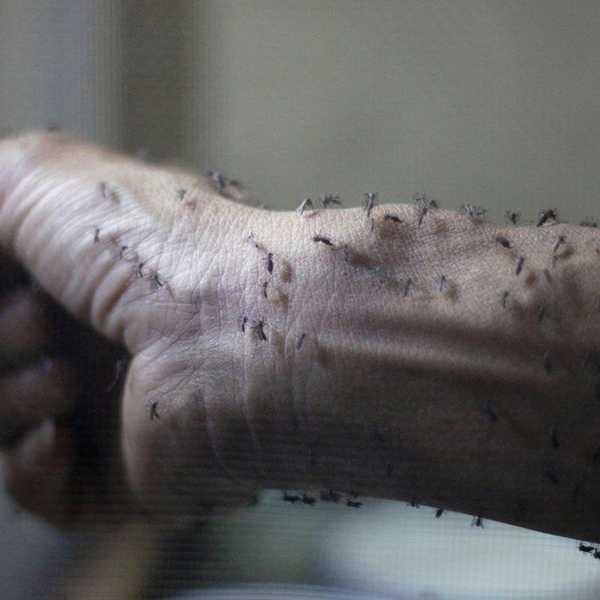
Zika is a virus spread mainly via mosquito bites, although it can also be transmitted sexually and from a pregnant mother to her fetus. According to the CDC, symptoms (such as headache, rash, fever and joint pain) are often mild and may not even be noticed at all. It’s unlikely for an individual to be hospitalized for Zika symptoms and even more rare for someone to die as a result of the virus. So what makes it such a threat? While Zika symptoms may seem somewhat manageable, infection during pregnancy can cause some serious birth defects, namely microcephaly, which causes an infant’s brain and head to be much smaller than normal. While Zika can be diagnosed using blood tests and a patient’s travel history, there is currently no vaccine and no treatment for the virus.
Unfortunately, Rio’s population density and climate make it a hot spot for Zika transmission. Brazil is by no means the only country on high alert. The CDC has issued a travel advisory for the majority of Central and South America. Cases are also being reported in the United States, specifically in southern Florida. Rio’s Zika virus endemic certainly doesn’t take away from its history, culture and charm, which continue to make it a great choice for the 2016 Olympics. However, the health alerts remain as important as ever and may potentially pose a threat to Olympic athletes and audience members.
According to the Wall Street Journal, 150 health professionals published an open letter calling for the Olympics to be postponed due to the threat of Zika. While the Olympics likely won’t increase the virus’ rate of transmission, there’s a chance athletes and tourists may become infected and carry Zika back to their home countries. As a result of the threat, some athletes have actually opted out of traveling to Rio and participating in the Olympics. Australian number one ranked golfer Jason Day, as well as American cyclist Tejay van Garderen, are among the athletes choosing not to participate due to Zika, according to the Atlantic.
The thousands of athletes who are choosing to be a part of the 2016 Olympics are certainly taking precautionary measures in order to avoid infection. Most commonly, teams will be carrying loads of repellent spray to protect themselves from the mosquitoes. But some teams are going to the extreme to avoid contact with the virus. South Korea’s team, for example, is clothed in mosquito-proof uniforms, or suits made specifically with insect repellent woven in. Some athletes are even going as far as freezing sperm just in case of infection. While the events in Rio are sure to impress, all those traveling to Rio for the Olympics are advised to use repellent, wear clothing that covers and seek medical help if experiencing any symptoms of Zika virus.