

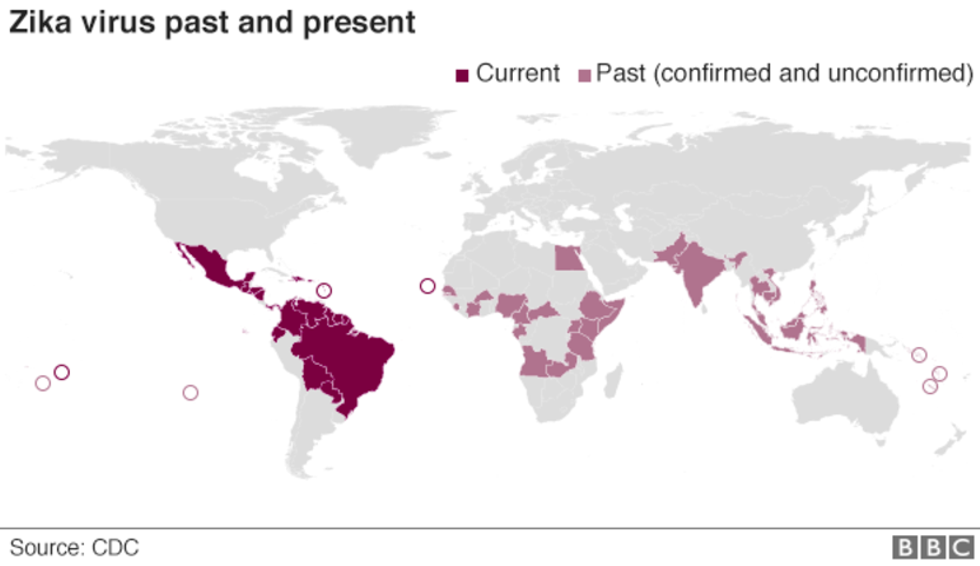
The past few months have brought on an epidemic of a strain of the mosquito-born illness, Zika. According to the World Health Organization this outbreak, which began in 2007, has been rapidly spreading in recent months, with 34 countries acquiring the virus in the past year. This brings the total number of countries affected to 47. The most-affected country is Brazil, which has had an estimated 1.5 million cases of the virus since the beginning of the outbreak.
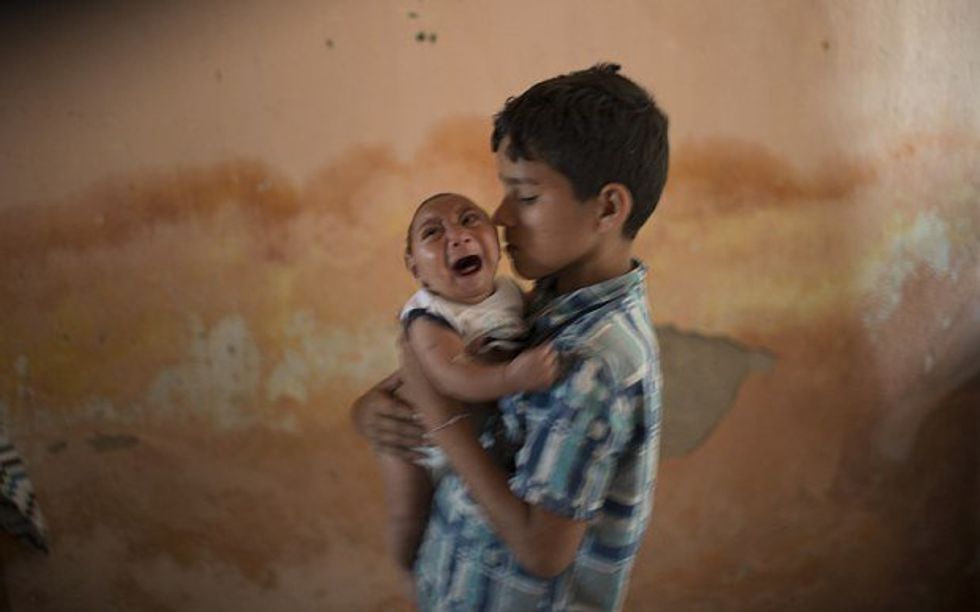
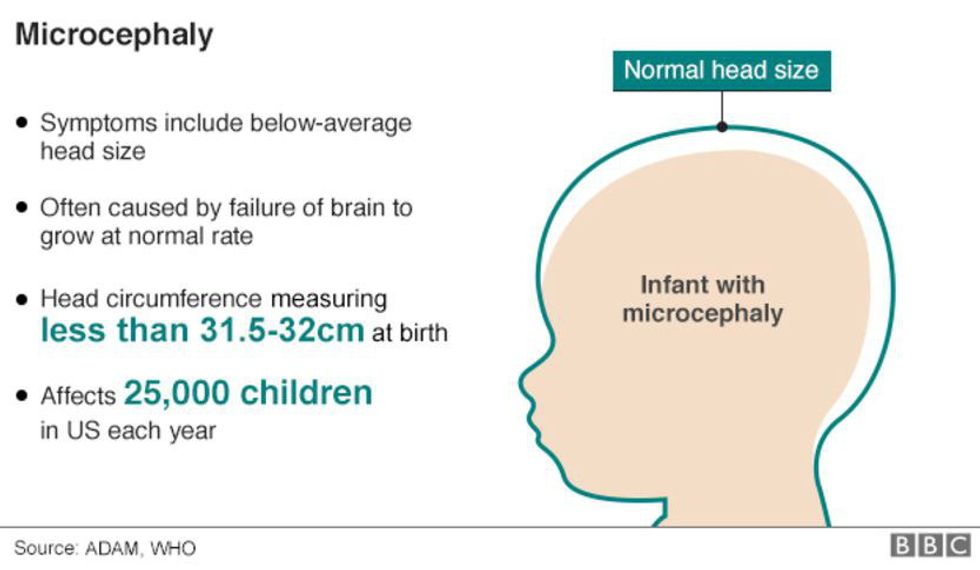
The onset of the virus in Brazil has coincided with a rise in cases of microcephaly, a birth defect which is characterized by damaged brains and reduced head size in newborns, in the country. BBC News reports that Brazil has around 460 confirmed cases of microcephaly, along with 3,850 suspected cases that are currently under investigation.
“I would like to dream it isn’t happening,” said Dr. Angela Rocha, the head of the infant care unit at the Oswaldo Cruz Hospital in Recife, Brazil. “We’ve had our share of epidemics, but this is unprecedented.”
So far, the link between Zika virus and microcephaly has not been confirmed, however, there is a growing theory that presence of the virus in pregnant mothers may lead to the condition.
“It’s not clear that what’s going on in Brazil is linked to the Zika virus. There’s no definitive proof that Zika is causing microcephaly. I believe the hysteria is way ahead of the research or the facts about the pathology surrounding this virus,” said Israeli physician, Leslie Lobel, who has worked with the US military and the Uganda Virus Research Institute to try to find a vaccine for Ebola.
Meanwhile, an Argentinian group of doctors and researchers called Physicians in the Crop-Sprayed Villages believe that there may be something else causing microcephaly. Theories have arisen that pyriproxyfen, a larvicide recently added to the water supply in areas of Brazil, could be causing the increase in microcephaly cases seen in the area.
“Pyroproxyfen is applied directly by the Brazilian Ministry of Health on drinking-water reservoirs used by the people of Pernambuco, where the proliferation of the Aedes mosquito is very high,” Physicians in the Crop-Sprayed Villages stated in their report. “This poison, recommended by the WHO, is a growth inhibitor of mosquito larvae, which alters the development process larva-pupa-adult, thus generating malformations in developing mosquitoes and causing their death or incapacity.”
However, Brazilian authorities refute the theory.
"Unlike the relationship between the Zika virus and microcephaly, which has had its confirmation attested in tests that indicated the presence of the virus in samples of blood, tissue and amniotic fluid, the association between the use of pyriproxyfen and microcephaly has no scientific basis," Brazil's Ministry of Health said in a statement.
Whether or not pyriproxyfen is the true cause of microcephaly in infants, the fact still remains that the Zika virus has reached an epidemic level, which will be an interesting development as Brazil prepares for the 2016 Summer Olympics.