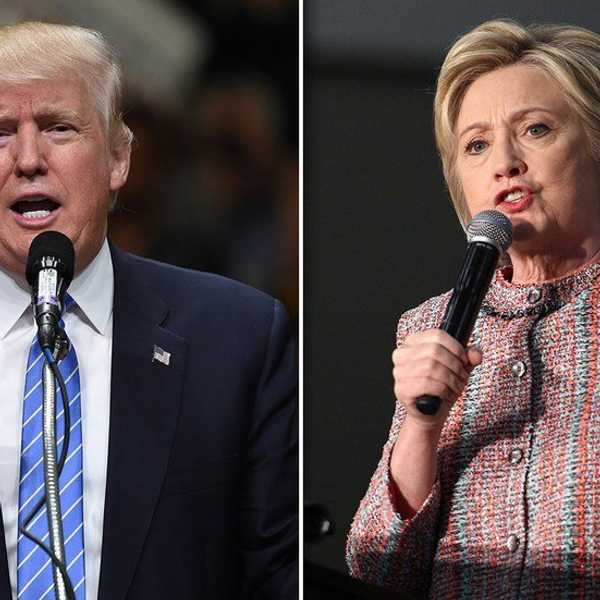
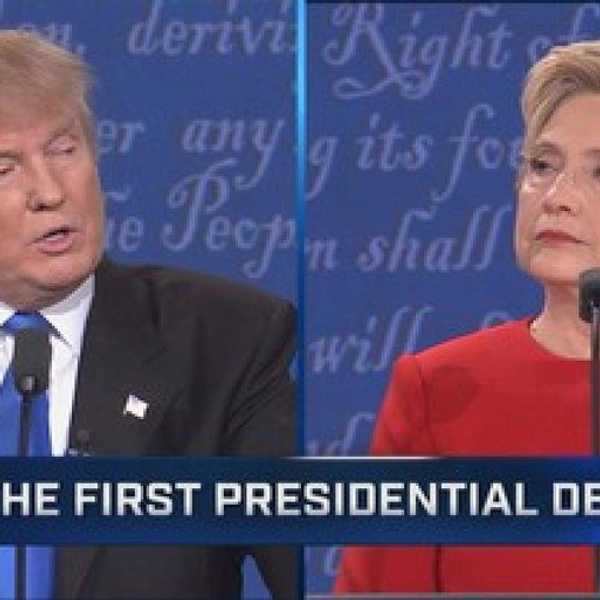
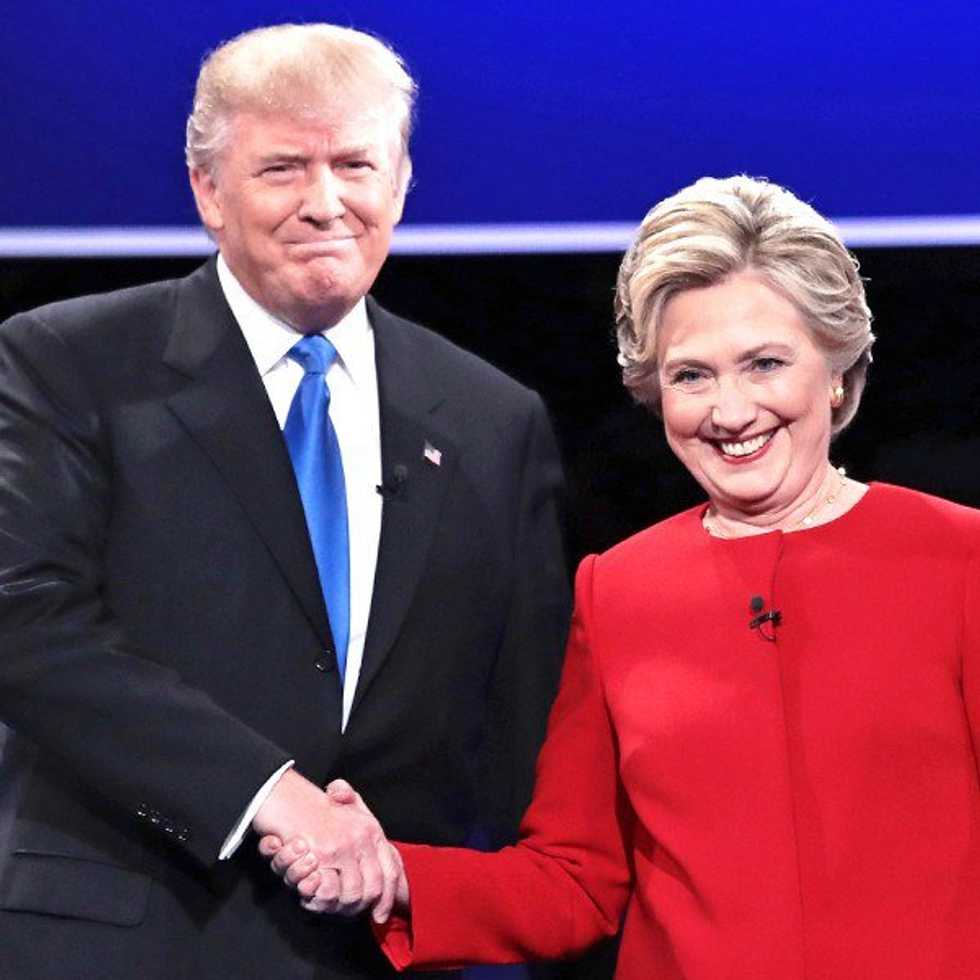
Since the debate on Monday night, we’ve seen a plethora of opinions about who came out on top. By now, all the polls are out and the opinions are in, but who truly won the debate and what bearing does it have on the election in November? In almost every mainstream media poll Hillary was pronounced the winner. This includes polls from CNN/ORC and Morning Consult among others. In fact, the majority of polls run by news media outlet's revealed Hillary as the clear winner, although not all of them, an example being the LA Times. In the social media realm, specifically Twitter, the hashtag #TrumpWon began trending number one the morning after. How did that happen? Obviously, somebody is not agreeing on a winner. The lack of consensus in who won the debate ended up being attributed to the types of polls acknowledged. Trump took to social media shortly after the debate to celebrate his victory in a variety of online polls.
Only there was a slight problem with that. These online polls conducted on social media and a variety of websites don't have any methodology in place to depict the opinions of the nation as a whole. It's simply a 'who won' choice with no background on the participant and no inclusive questions on the candidates.
A few days of online bickering flooded the social media space as a result. Some claimed these online polls were illegitimate while others elected to at least accredit the 20+ online polls that ran in Trump's favor. The backlash from the media came in the form of a ton of articles which attempted to take credibility from these online polls, and to some degree were right in doing so. They instead advocated for the more thorough, comprehensive polls which mostly favored Hillary. The funny thing is online polls weren't such a significant credibility issue until they loudly opposed something the mainstream media said. Let me be clear, I am not trying to dignify the approach of online polls, but that smells a little fishy to me.
Let’s try to look at it from a different viewpoint. For the most part, the mainstream news appraises winners on the basis of traditional debate rules. Let's assume that on the other hand, online polls legitimately represent the popular vote. Now let's look back in time to the election of 1980. It's Reagan vs Carter and they've just faced off in their first head to head debate. Media critics begin to analyze the debate and decipher who won based on customary debating rules. It’s an easy call; they come to the conclusion that Jimmy Carter had the better night, but when other polls calculating the popular opinion come out, the view is flipped and it looks like Ronald Reagan had amassed more support among voters. Well, we all know who won that election. Of course, the election we have on our hands today isn’t the same as 1980 and there are many other factors at play, but perhaps the polling aspect is similar enough to be taken into consideration.
So, why does this matter? Historically, the first presidential debate doesn’t radically change the direction of the election anyways. And maybe it won’t. But the massive viewership of this one debate may suggest a feeling of uncertainty among the voters. An average of 84 million people, double the viewership of the first debate in 2012, tuned in to 13 different channels to watch this unusual brawl between two of the most hated presidential candidates in history. Perhaps viewers looked at it more like a sporting event or talent show. Nevertheless, there is an unprecedented interest in this election and consequently, the voter turnout should be unmatched as well. As far as the undecided vote goes, the Huffington Post estimates around 4.2 percent of voters are currently undecided. While this may appear to be a trivial percentage right now, the margin in most polls between Trump and Hillary is currently hovering around 4 percent. So maybe televised debates didn’t live up to the hype in the past, but everybody and their mother will agree this election is a first for many things. Let’s just wait and see where things start heading after the next debate rolls around.