

Addiction. It seemingly gets worse as the days, months and years go on. In the United States alone, addiction affects 40 million people ages 12 and up. It affects more than one in seven people. Crazy, right? Hearing statistics like this makes myself and others wonder. How does this happen? Why does this happen? Can it be prevented? Well, the answers to these questions vary from person to person. The problem with addiction is it cannot be pinpointed; there is not one definitive answer. Addiction is subjective. When anything in life is subjective, it becomes harder to understand.
If a concept is unable to be described with one definitive answer people become impatient. With impatience comes irritation and with irritation comes ignorance. “You choose to be an addict!” “Why can’t she just stop, it can’t be that hard.” “He is just a loser, that is why they’re an addict!” These cruel observations are only the beginning of what people have to say when addiction is the topic of conversation. My personal favorites are the words of “comfort.” Such as, “He or she comes from a good family so it is hard to believe they are an addict," or “Well, he or she does not look like an addict!” There is a stigma to addiction. Being an addict has a stereotype. Stereotyping allows people to get their definitive answer. What happens when we break the silence? What happens when we end the stigma?
Despite the common misconception that certain people are immune to addiction, it is entirely false. Anyone can become an addict. Your gender, race, family and socioeconomic status does not matter. Drugs do not discriminate. You could lose a loved one, lose a job, suffer from anxiety or depression, or simply have a bad day. All it takes is losing your footing one time to fall down the dark hole of addiction. Being addicted to drugs is someone’s unspoken words of pain. He or she does not need to open their mouths for someone to understand that they are struggling. It may be easy to think that addiction is a choice; but it is far from voluntary. A person may choose to do a drug but they do not choose to become mentally, physically and emotionally dependent on that drug. No one chooses to have the control of their own life be taken right from underneath them. No one chooses to lose their job, their friends, their families and most importantly themselves to drugs. No one chooses this.
In today’s world it is so hard to find empathy. It is so hard for society to have compassion for those who they do not share the same struggle with. We are so quick to judge. It does not matter how well you do or do not know someone, until you walk in their shoes you do not understand how they truly feel. You do not understand what it is like to be them or to go through life with their personal mindset and mentality. Instead of trying to figure out someone else’s struggle; simply don’t. Do not look for clues, do not look for answers. Just understand that it is not your struggle. The day that society learns that the act of empathy is much more valuable than the act of judgement is the day our world becomes a better place.
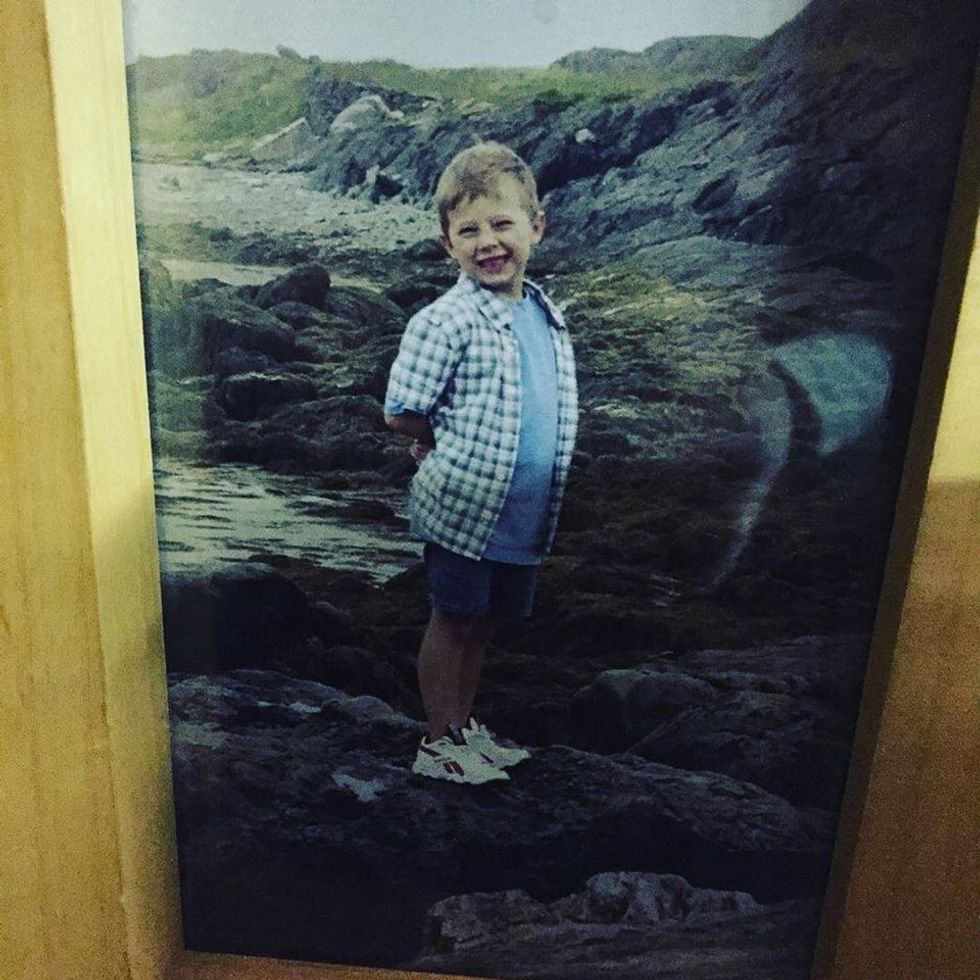
The next time you choose to pass judgment on a drug addict, I want you to look at the picture in the headline of this article. I want you to stare into the piercing blue eyes of this baby boy. I want you to see the innocence and naivety of this child. Does this look like an unhappy and neglected child to you? Does this look like an addict to you? Well, he was and now he is gone. So please, the next time you pass judgement on an addict think of baby Jack. Ponder the thought that this handsome little boy was only 18 years old when the demon called addiction claimed him.
Break the Silence. End the Stigma.