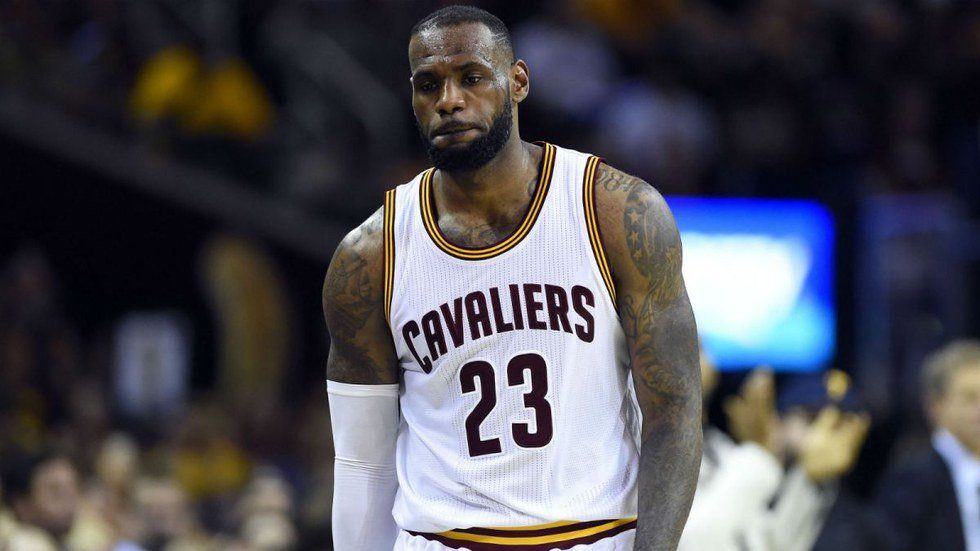
As I write this article, LeBron James is down three games to one in the NBA Finals against the defending champions, the Golden State Warriors. Today, he has been widely scrutinized by reporters and analysts for being visibly frustrated in a Game 4 loss on his home floor. He was involved in altercations with both Draymond Green and Steph Curry, who finished just one spot ahead of James to win the NBA MVP award both this year and last year.
There is no denying the fact that LeBron is frustrated with his team's inability to overcome the Warriors. What makes the frustration all the worse is the quiet panic that LeBron fans everywhere experience. At 31 years old, the "Chosen One" has yet to bring a championship to Cleveland, and the outlook on possibly winning a third championship, which would be his first ever in Cleveland, appears to be bleak.

If he loses Game 5 of this year's finals in Golden State on Monday night, it will be his third consecutive loss in the NBA Finals. If he loses on Monday night, LeBron will be 2-5 in his career in the Finals, a mark which many believe tarnishes his legacy. Michael Jordan won six championships. Kobe won five. Shaq has four rings and even LeBron's best friend Dwyane Wade has three championships. How can LeBron be legitimately considered a legend if he only manages to lead his teams to two championships in 13 NBA seasons?
In postgame interviews, the real, genuine LeBron James takes off his uncomfortably intimidating game face and quietly calms down after barking on the court all game. He is a seasoned, exhausted professional athlete who handles his basketball endeavors with simplicity: hard work and self-discipline. He provides honest answers to questions and rarely instigates drama with opposing players. He is no longer the goofy, flashy LeBron James who once went on national television and proclaimed to the world, "I'm taking my talents to South Beach." Rather, he is now an aging veteran with 1,183 NBA games under his belt and three children he is eager to spend time with.
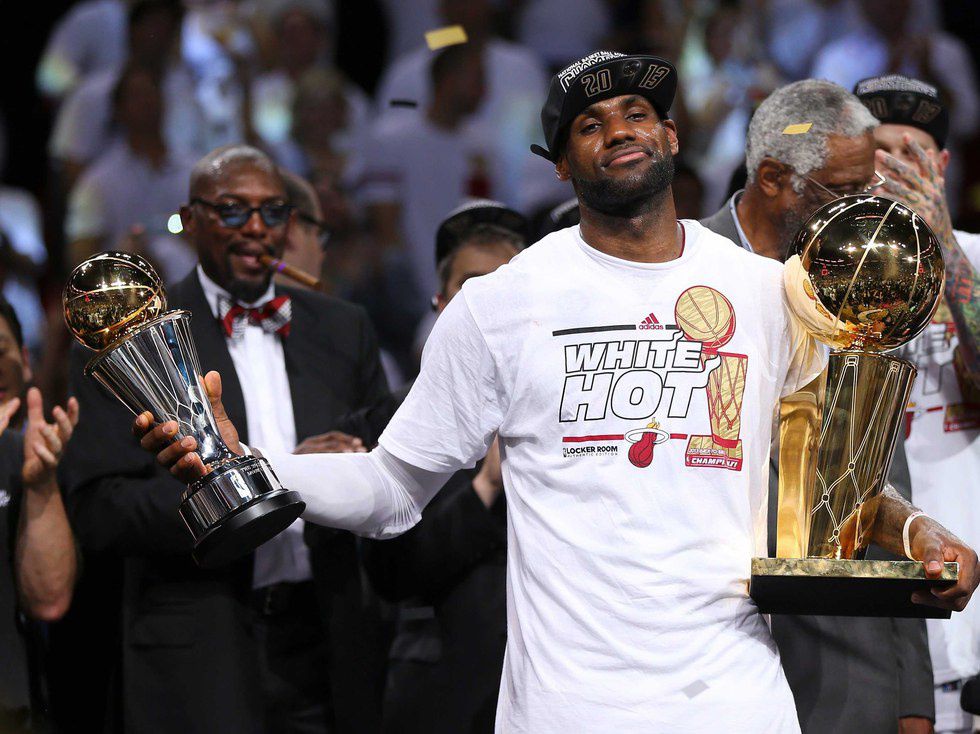
He won two championships in Miami with his running mates Dwyane Wade and Chris Bosh, and he was even the Finals MVP for both titles. It is easy to forget how desperately LeBron James yearned for that first ring. He has won four league MVP awards and been selected to the Eastern All Star team every year since 2005. He has been selected to the All-NBA First Team ten times, led the league in scoring, and even been selected to the NBA All-Defensive First Team five times. He has more than solidified his status among the greats on a statistical basis; ESPN released a thorough ranking of the greatest NBA players of all time with explanations for all selections earlier this year and went so far as to call LeBron James the third best player of all time, behind Michael Jordan and Kareem Abdul-Jabbar.

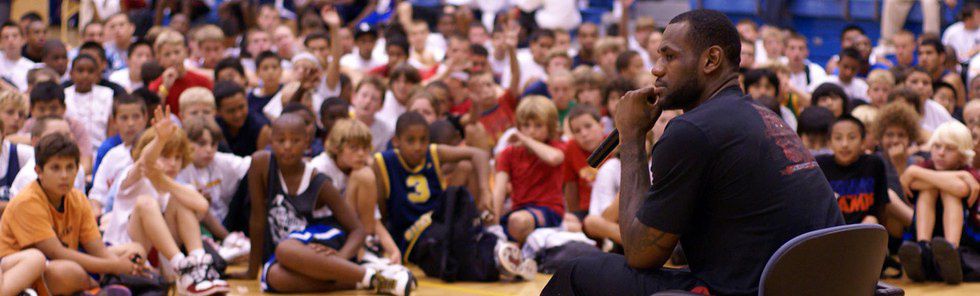
LeBron is a perennial NBA superstar who has continually burdened himself with the training regimen of a Greek god for the last several years. He is a family-oriented individual who proclaims that he is a husband and father before anything else, he is an established businessman who makes twice his salary in off-court endeavors to the tune of a $71 million dollar salary, and he is a generous philanthropist. He has generously supported countless causes, initiated mentorship programs in schools, and just last year paid for the education of 1,000 students at the University of Akron.
So why is there still such a huge following that hates LeBron?
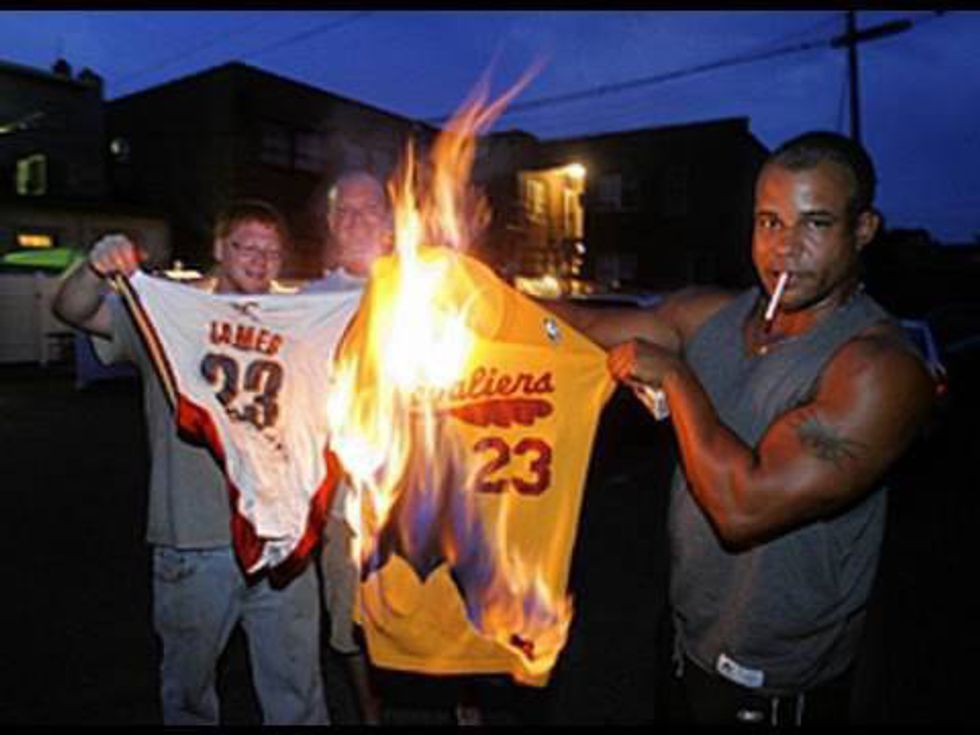
Many reasons for why opposing players, reporters, and even fans are angry are completely valid. In spite of his prowess as a player and largely positive influence on the league through his charitable nature and impressive work within the player's association, LeBron is notably egotistical for a superstar. He is a tad shy in big moments from time to time and sometimes even passes up the final shot in a game, something MJ or Kobe would never do. He left his adoring Cleveland Cavaliers fans through a nationally televised announcement entitled "The Decision." He has previously "flopped" and drawn "superstar fouls" by taking advantage of referees' respect for him. He has long embraced his title as "The King" and has no issue staring down opposing fans after a breakaway dunk or clutch shot. He is a dazzling player with freakish athletic ability combined with profound leadership qualities and court vision, yet he will never be quite as "cool" as MJ or Kobe; he only has two rings, he was never quite the cold-blooded killer that those two were, he could never score as easily.

But none of that matters, at least in regards to his mysterious legacy. Some say the King's legacy will be tarnished by his numerous losses in the NBA Finals, but none of these basketball accomplishments will really matter that much in 50 years. No one will care who won championships. The real appreciation for legends and their legacies comes through understanding their influence on not only the game, but the world around them.

The "greatest" athletes of all time are not always the ones who achieved the most stunning achievements or averaged the most dumbfounding statistics, but rather they are the individuals who most effectively used their status for good will in the world. In other words, the basketball world will remember Magic Johnson, Kobe Bryant, Tim Duncan, and LeBron James for being successful yet selfless champions who devoted considerable time to the betterment of the league and their communities.
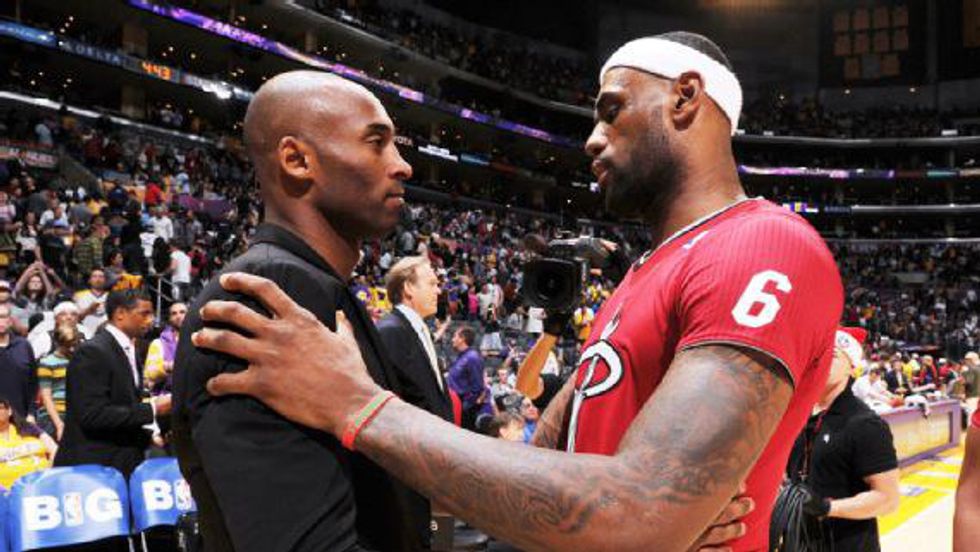
You don't need to like him or dislike him. But if you're a basketball fan, you must appreciate what he has done for the game and the league. If you're not a fan, he is still someone to admire due to his generosity with underprivileged children and needy students. He is one of the few "living legends" in sports today; enjoy watching it while you can. RIP Kobe.