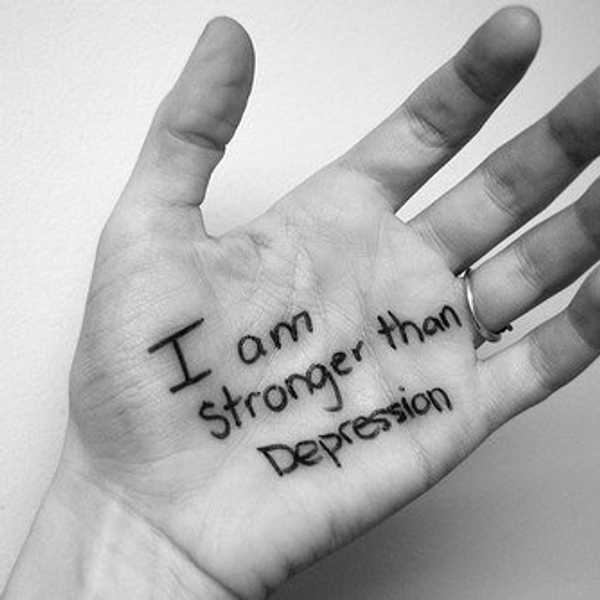


In recent years, mental illness has become gradually less stigmatized. The opening up of that discussion is one of the best changes this generation has brought about. However,there are still a lot of misconceptions about many mental illnesses. Since I cannot speak from anyone's experiences except my own, I will be discussing misconceptions concerning bipolar depression and anxiety.
First of all, yes, a person can have both anxiety and depression. They may seem like opposite ends of a spectrum, but they can and often do go hand in hand. The anxiety causes you to panic inside about anything from pressing assignments to fearing that the people you love actually secretly hate you. Depression keeps you from actually doing anything because you physically feel as though you are powerless and your efforts don't matter anyway. Anxiety is not the only mental illness one can have in addition to depression. Any person may have multiple mental illnesses at once.
Another very important thing to remember is depression is more than just being sad or bummed out all the time. In fact, people with depression often feel physically and emotionally numb. While the classic "textbook" symptoms of depression can and do exist in a person, no two people experience depression the same way. Loss of interest in activities you once enjoyed, self-isolation, and sadness are symptoms. However, depression can also cause people to over and under eat, to sleep too much or have insomnia, to not shower for days at a time, to be irritable, and more. Depression can also affect a person's ability to focus as well as their memory.
Since mental illness is not something we can physically see, it is not taken as seriously in many circles. This brings me to the subject of triggers, words or actions that bring about negative thoughts and/or emotions related to the triggered person's mental illness. While triggers are completely valid and we should be sensitive to them, there are times that a person's mental illness will flare up for no reason. A panic attack or suicidal thoughts can happen on a perfectly normal or even good day. There is not always a direct cause for someone getting bad again. As with every illness, people will have ups and downs. Having a good day, week or month does not mean that someone no longer has depression just like a person with cancer having a good day doesn't mean that they no longer have cancer. There is no cure for these conditions either. We take medicine to help balance the chemicals in our brains and talk to therapists who help us to manage our symptoms and put things into perspective. The best thing you can do for a loved one with a mental illness is to let them know that you love and support them.