

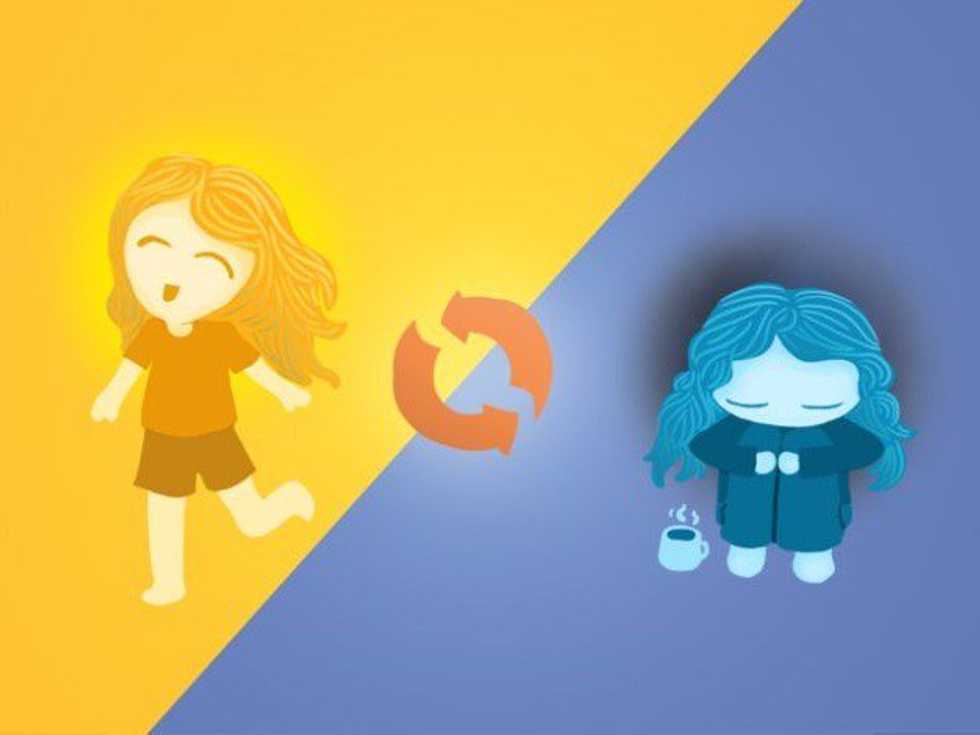
For some people, when the weather becomes colder and there are more hours of darkness, it is harder to look on the bright side. Seasonal affective disorder (SAD) is “a type of depression that's related to changes in seasons.” It can also known as winter depression or the winter blues. The American Family Physician states that seasonal depression seriously affects an approximated 4-6 percent of people in the US per year, and another 10-20 percent of the country is estimated to have mild symptoms.
Symptoms can include those of major depression:
Feeling depressed most of the day, nearly every day.
Feeling hopeless or worthlessHaving low energy.
Losing interest in activities you once enjoyed.
Having problems with sleeping.
Experiencing changes in your appetite or weight.
Feeling sluggish or agitated.
Having difficulty concentrating.
Having frequent thoughts of death or suicide.
Other symptoms might include:
Irritability
Tiredness or low energy.
Problems getting along with other people.
Hypersensitivity to rejection.
Heavy, "leaden" feeling in the arms or legs.
Oversleeping.
Appetite changes, especially a craving for foods high in carbohydrates.
Weight gain.
High-risk individuals include those who live far from the equator, because the difference in sunlight between summer and winter is more drastic. People with depression, bipolar disorder, or a family history of one of these also have a higher chance of developing SAD. Women and young people, too, are more likely to be diagnosed with seasonal affective disorder. Many people notice a change in mood or energy levels on their own, but a professional diagnosis is recommended if they have a lack of motivation that lasts for days, interfering with normal life.
Treatment for SAD varies from prescribed medication (antidepressants) to psychotherapy to light therapy, as well as lifestyle changes. Antidepressants may be helpful, but often take multiple weeks to have an effect. Psychotherapy is a form of cognitive restructuring that helps subjects learn how to change thinking patterns and implement coping mechanisms. In light therapy, patients sit near a box that emulates natural light to stimulate certain chemicals linked to mood. Light boxes can be bought and set up in homes. This form of treatment takes anywhere from a few days to a few weeks to result in a noticeable improvement. Subjects can also spend more time outside in natural light and sit near windows when inside. Another mechanism to combat seasonal depression is to exercise, which can calm stress and anxiety as well as release endorphins. It can be helpful for those with SAD to socialize, whether in a support group or with close friends. Some people choose to take herbal supplements or pursue alternative medicine, but these treatments are often not approved by the FDA and do not have enough research to assert a causal relationship.
If you suspect that you or someone you know have seasonal depression, talk to your campus health center or a doctor. Make time in your schedule to exercise and be outside and make sure you have trusted people to talk to. Seasonal affective disorder is nothing to be ashamed of and there are many options to treat it until spring arrives.All information was gratefully obtained from Mayo Clinic, unless stated otherwise.