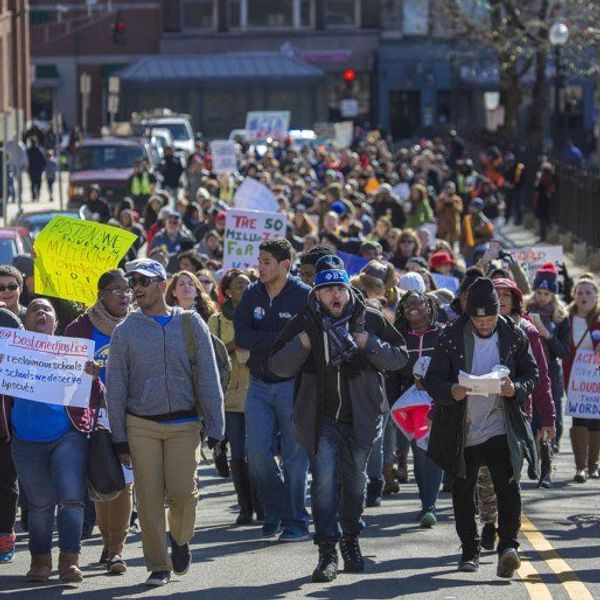

Today marks the 10 year anniversary of the launch of the online social networking service, Twitter. While the story of the company's history and growth in the last decade is interesting in itself, the trends users have seen have become particularly fascinating in recent years. Largely in the second half of its existence, there has been a significant increase in the use of Twitter as a way to discuss social issues, and even as an instrument for activism. Below are 10 of the most compelling social hashtags Twitter has seen.
1. #BringBackOurGirls
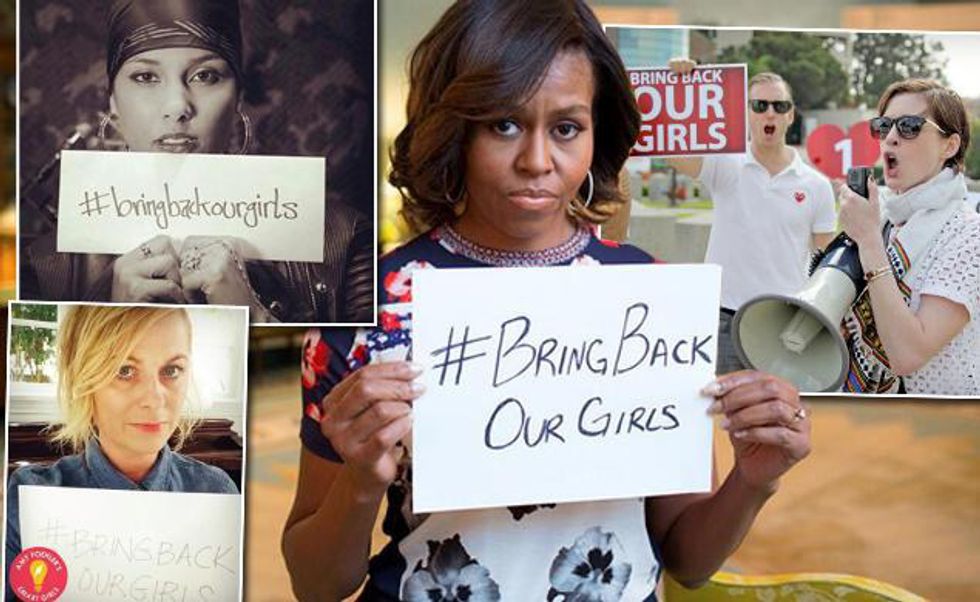
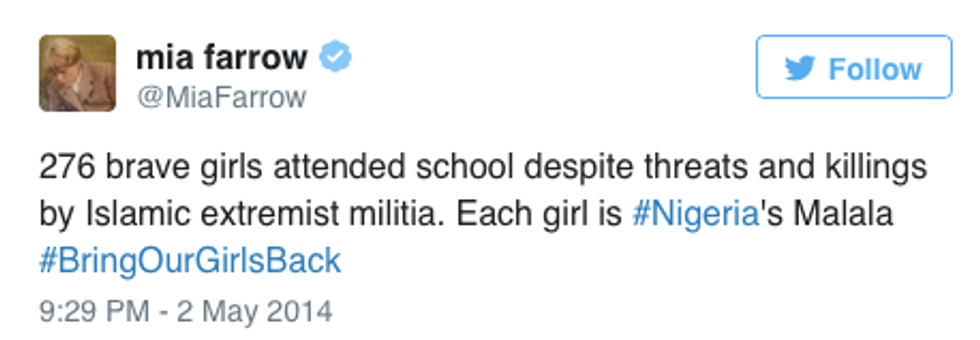
#BringBackOurGirls was the Internet's response to the abduction of over 200 Nigerian girls. Extremist group Boko Haram was behind the kidnapping, as well as subsequent murdering of school officials. Twitter users took to their 140-character podiums to express concern for the young girls, as well as the the lack of action from the government to mainstream media to help find them.
2. #LoveWins

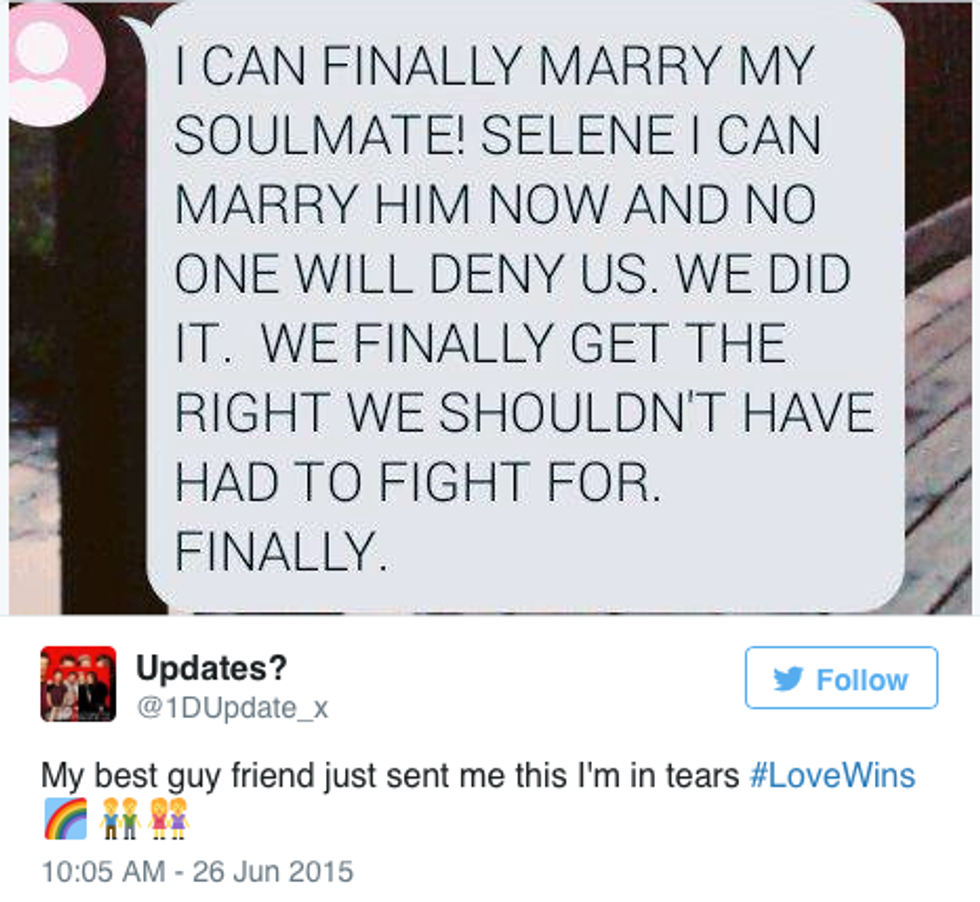
On June 26, 2015, a Supreme Court ruling made gay marriage a right nationwide. Though of course varying opinions were being posted left and right, the hashtag #LoveWins became the most prevalent hashtag surrounding this massive victory for the LGBT community.
3. #YesAllWomen
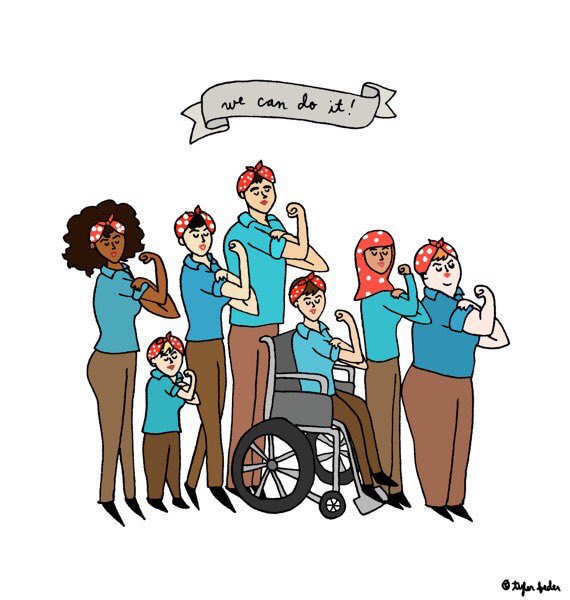
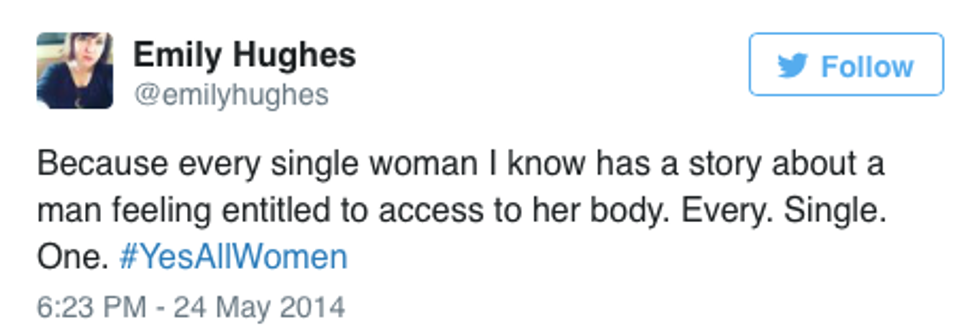
#YesAllWomen is a hashtag that was propelled by the shootings around the University of California, Santa Barbara by Elliot Rodger, who stated himself that the source of his homicidal rage was being rejected by women. Women across Twitter used this hashtag to share personal stories of harassment and assault that they faced from over-entitled men. It was also a response to a hashtag "#NotAllMen," where men were defending and separating themselves as non-misogynistic. #YesAllWomen emphasized that sure, not all men are guilty of perpetuating gender-based violence, but yes, all women have had to experience the effects of it, one way or another. Given the hashtag's name, it was also one of the first major topics where the importance of intersections in feminism (race, gender, class, ability, ethnicity, etc.) started becoming more widely discussed.
4. #YouOKSis

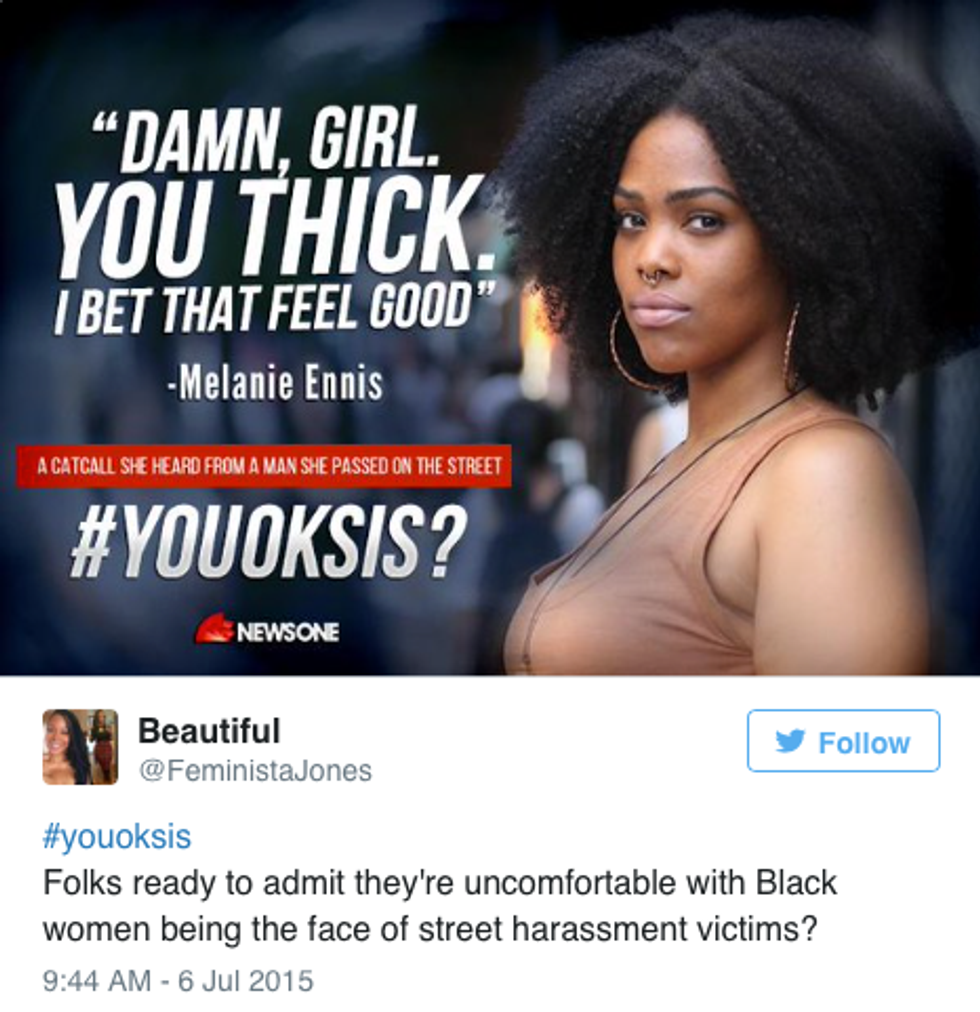
Black feminist and Twitter user @FeministaJones started another important conversation about street harassment and bystander intervention. #YouOKSis encourages people to reach out to victims put in positions ranging from the uncomfortable to the deadly in public, in order to help give that person an excuse to remove themselves from the situation. Feminsta Jones placed an emphasis on elevating the voices of women of color, because she felt that the discussion surrounding the topic of street harassment had overwhelmingly revolved around the experiences of white women.
5. #RefugeesWelcome

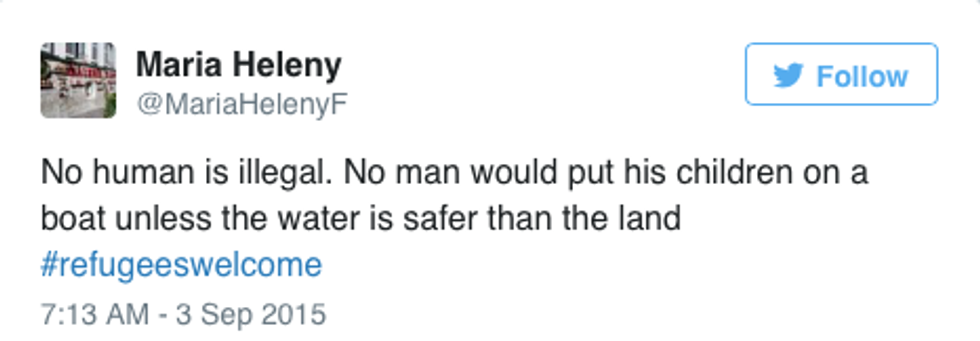
In response to Europe's refugee crisis, and especially during debates among United States presidential candidates over the idea of welcoming Syrian refugees into the country, many on Twitter used #RefugeesWelcome to show support for accepting migrant populations and encouraging compassion for the millions of people forced to leave their homes to escape violence.
5. #IStandWithAhmed
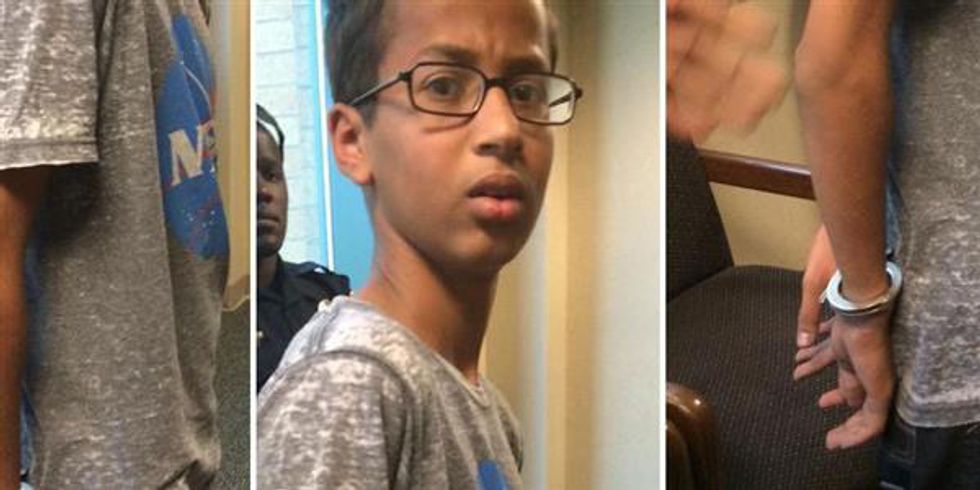
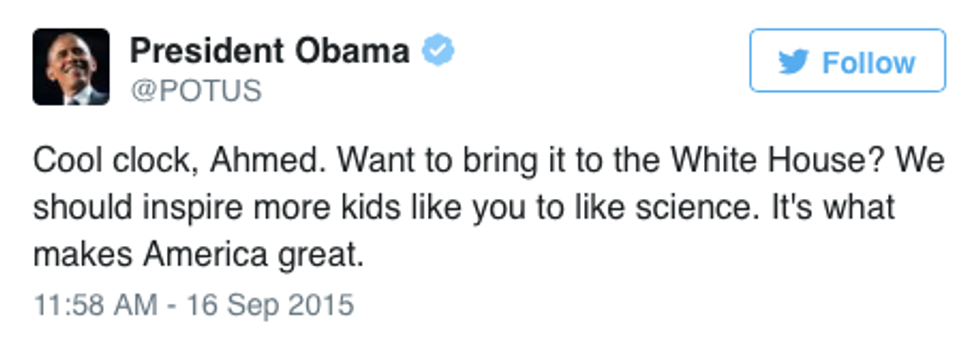
An influx of support was given to 14-year-old Ahmed Mohamed with over 370,000 Tweets in under six hours, after the Internet learned he was handcuffed and arrested at his Texas school for bringing in a homemade clock to impress his teacher. Officials claimed that the clock resembled a bomb. Even the President chimed in with support for the high school freshman.
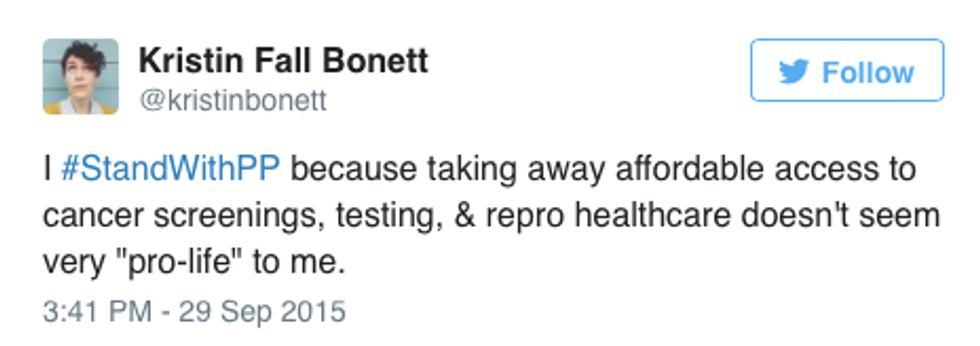
7. #StandwithPP
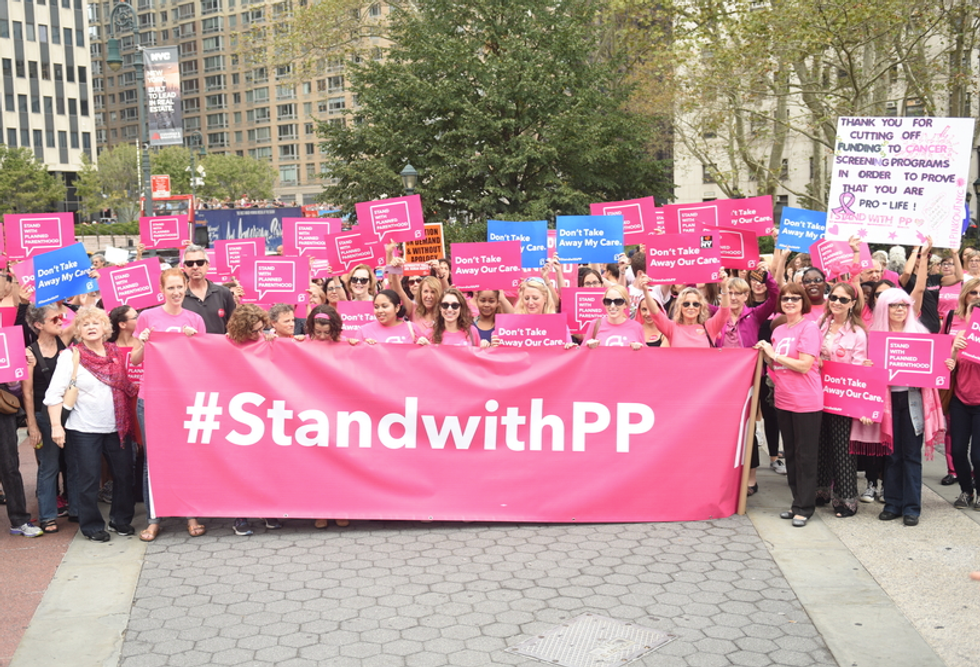
Online support grew for Planned Parenthood after the U.S. government voted to cut federal funding to the nonprofit organization in September. Many who #StandwithPP argue that politicians are using false allegations to harm Planned Parenthood, and subsequently, to harm women who use it as a major health resource.
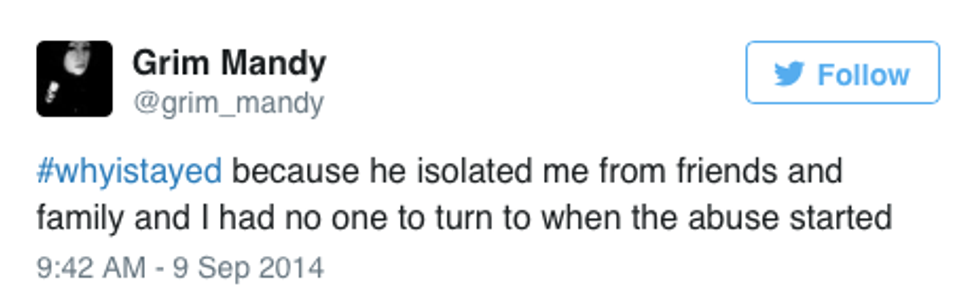
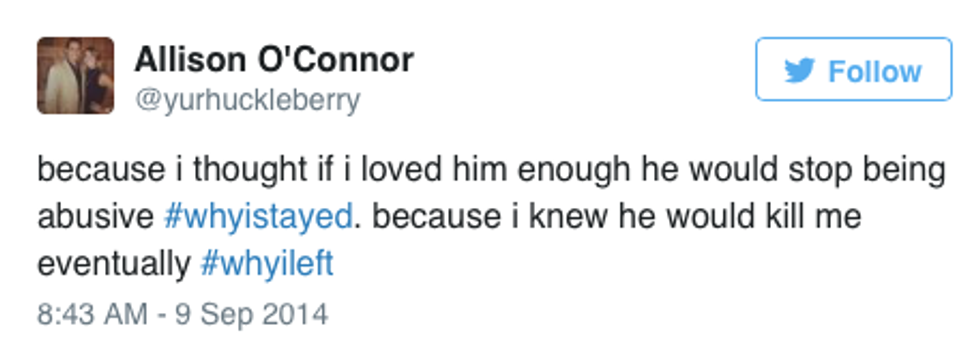
8. #WhyIStayed

Victims and their supporters have used #WhyIStayed to share and spread personal stories of domestic abuse, and the complex reasons why people become trapped in them. And some even recounted "#WhyILeft." This movement shed light on the psychological intricacies of abusive relationships, and how asking why someone doesn't "just leave" can be wildly insensitive.
9. #JeSuisParis

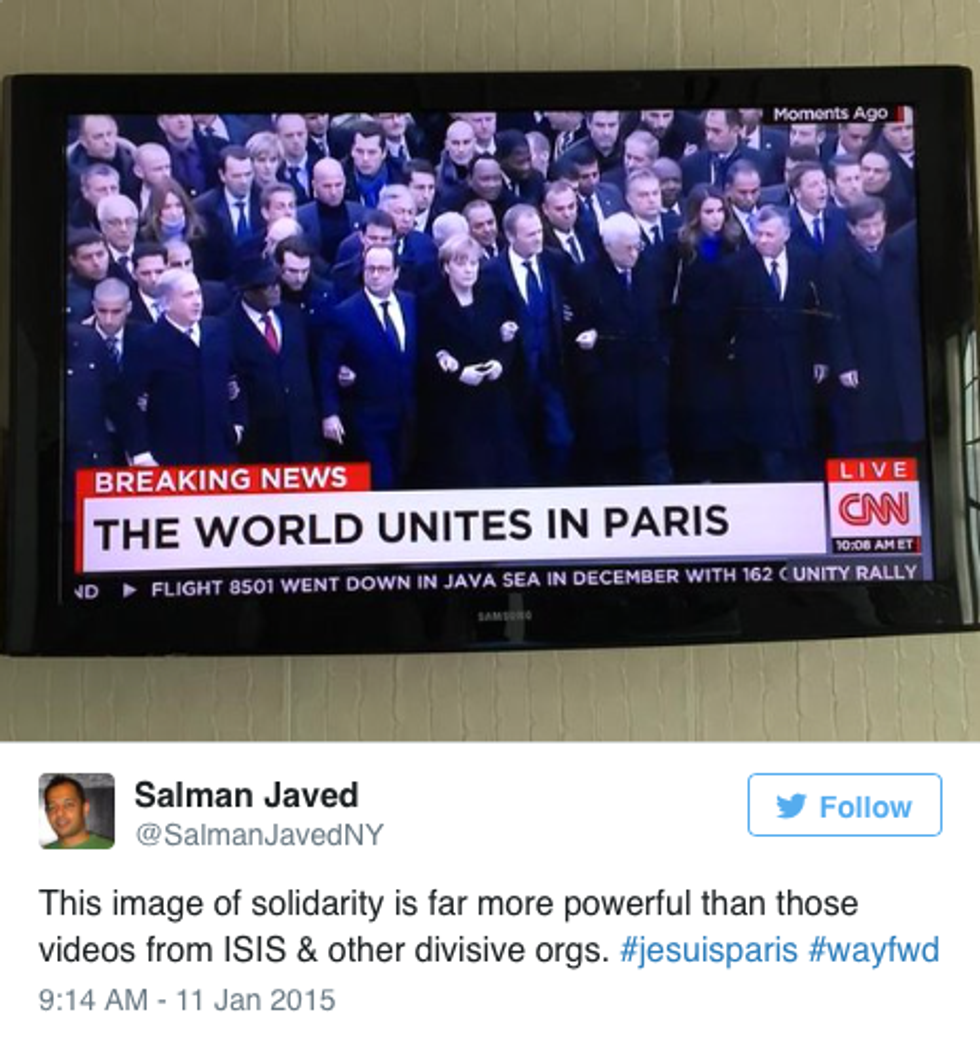
Last January, a violent attack was made on the offices of satirical newspaper Charlie Hebdo, killing 12 people. Over 100 more people were killed in multiple terrorist attacks in November, prompting the internet to show their solidarity and global wish for peace, using hashtags like #JeSuisParis, #JeSuisCharlie, and #PrayForParis.
10. #BlackLivesMatter

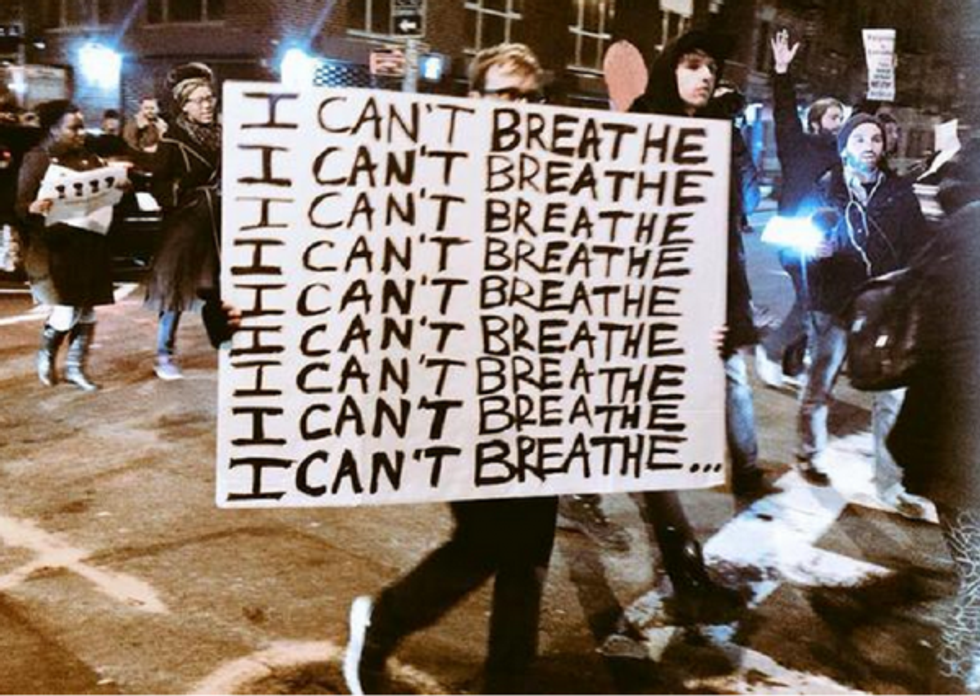
Arguably the most profound example of "hashtag activism," with its first roots primarily online, is everything that falls under #BlackLivesMatter. #BlackLivesMatter first began as a hashtag and eventually became a national organization after the 2014 shooting of the young, unarmed black male, Michael Brown in Ferguson, Missouri by white police officer Darren Wilson, who wasn't indicted for the deadly incident. The death of another black man, Eric Garner, by New York City Police Department officer Daniel Pantaleo, who also wasn't indicted for fatally choking Garner during his arrest, started the hashtag "#ICantBreathe," Garner's last words. Several other examples of police brutality turned lost black lives into their own hashtags, from #FreddieGray to #TamirRice to #SandraBland.
This video of three prominent activists reading their Tweets from the year was made on the anniversary of Michael Brown's death.