As much fun as the Olympic Games were, this year they were often overshadowed by negative press. Despite the gravity and implications on the various errors and biases expressed, it is up to us, especially journalists such as myself, to learn from them. Here are the three major learning points from a journalism (as well as ethical) standpoint made during the Olympics this year.
1. Safety and protection of sensitive information is always higher priority than a story.

Nico Hines, a straight journalist took it upon himself to feign being gay, created a Grindr account. Through a thorough act of deceit he was able to find out which athletes competing at the Olympics were gay. He then divulged that information in an article he wrote. Many of those athletes hailed from parts of the world where homosexuality is not widely accepted, or even forbidden. That is a huge violation of journalistic integrity. Regardless of the reasoning behind it, it's secret for a reason. You have to take these things into consideration, and if there is any chance that what you write puts someone in harm's way, DO NOT PUBLISH.
2. Treat people equally when writing, regardless of sex or race.
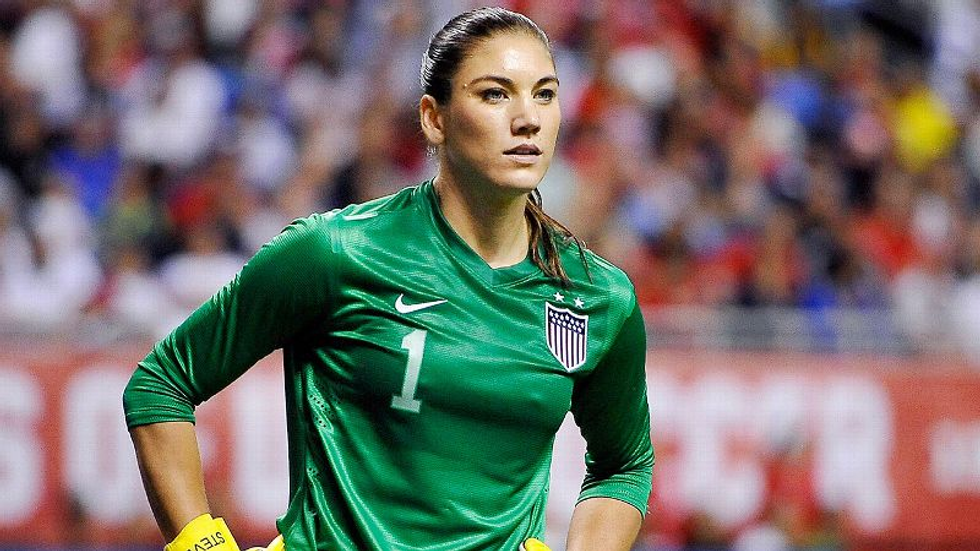
Many journalism problems during the Olympics concerned sexism and double standards. One such example is when bronze medalist trap shooter Corey Cordell-Unrein was introduced as “wife of Chicago Bears lineman” by the Chicago Tribune. That might be a footnote in the middle or end of an article, but it should not be a headline. Yes, it was used to localize the story to get people to read it, but that would only make it ok to continue to trivialize the accomplishments of women and say that they only matter if they happen to be married to another athlete or famous person. Hope Solo being more heavily criticized for insulting an opponent than Ryan Lochte was in vandalizing a gas station store and lying about a shooting. Also excessive comments on the clothing choice of Muslim athletes got annoying as well. The Olympics is supposed to be a celebration of all kinds of people coming together and excelling. It does not matter who that person is, everyone deserves to be respected and praised on their own merits. Both Michael Phelps and Katie Ledecky deserve to be celebrated. Since no one would compare Phelps to a female swimmer, it is only fair to not compare Ledecky to a male swimmer either. That is equality.
3. Even in an international setting, do not make athletic competition about politics, culture, etc.
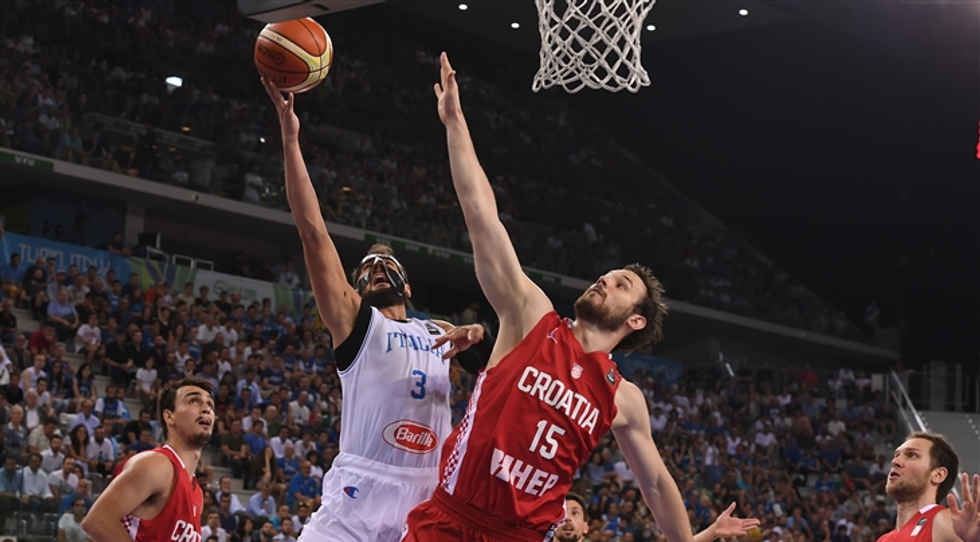
We may live in a global world, some of these journalists covering the Olympics were shocking. And not in a good way. For some it was as if they had never met someone who was Muslim or from the Middle East or Russia before, to give a few examples. Or when Serbia and Croatia played against each other in basketball or any event, they would extensively talk about their political history. That possibly merits a sentence or two but that's it! Spend the rest of the time talking about the game. We get it. That's no better than people making World War 2 jokes when USA face Japan or Germany compete against France in a sport. It’s not clever or funny, it’s unprofessional and in bad taste.
As a journalist, I feel responsibility to learn from these mistakes others have made and ensure I do not echo them. I know my fellow writers at the Odyssey feel the same way. And even when we are not writing, we must keep in mind how we speak about and treat others.