Don’t eat that piece of cake! Oh my gosh your thighs touch, you are so chubby! You will never be perfect, you will never be pretty. You will never be as good as her.
Have these thoughts ever clouded your mind, your dreams, and your judgment? Have you often caught yourself staring in the mirror, closing your eyes, and hoping that when you open them again, there will be a prettier, smarter, gorgeous young adult staring back at you?
The ideal body image for men and women today is morphed by the onset of the media and society. In correlation to the rising dependency and use of social media to capture the perfect body image, eating disorder rates have risen 119%, doubling since the 1980's. Slowly, the army of self-loathing, negative self-esteem monsters have captured the minds of many, ED we shall name him, for eating disorder.
I have lived with ED for 9 years. I still fight against him today, among other enemies.
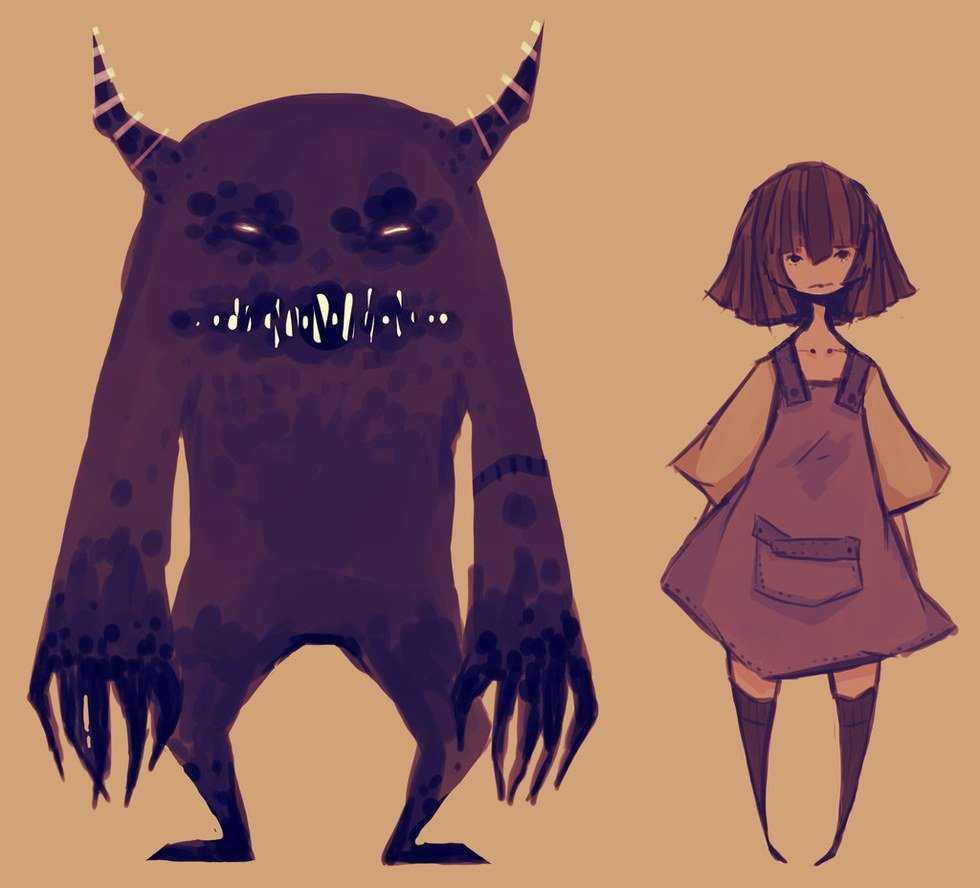
ED is not just a disease. It is a monster. It is not the monster that lurks under the bed but rather in the refrigerator. It is in the mind of almost every teen, telling them they are not pretty enough or good enough in comparison to their peers. Beauty is not all that this world adores; there so much more that makes an individual unique.
Unfortunately, I had no encouragement such as the words above to help steer me out of the atrocity of an eating disorder. Circumstances at home and at school had me persuading myself that I was worthless, helpless, hideous and unlovable. The only way I believed to escape such a fate of being alone and unwanted was to seek physical, mental, and social perfection: this search for an identity almost killed me.
60 percent of teenage girls compare their bodies to those seen on television or in magazines, and 90 percent of young adult women claim that media places a great amount of pressure on them to be thin.
While I tried to deny that I fell into that statistic, as time went on, I soon realized that I was another victim falling into a deadly trap. I compared myself to my friends, my sister, my family, posters and models in movies. I wanted to have a flat stomach like the girl who jogs by my house or toned legs like my younger sister. My childhood nickname, although given to me jokingly, was chanted mockingly in my head every time I ate, every time I looked in the mirror. Bubble Butt Kayla, the voice said, you’ll never be perfect, you’ll never be beautiful.
At the age of 12, I was diagnosed with severe depression, anxiety and anorexia nersovia, and was hospitalized at the Western Psychiatric Institute and Clinic in the Center for Overcoming Problem Eating program in Pittsburgh, PA. I weighed only 56 pounds. I had stunned my growth, had severe muscle deterioration, a weak heart and many other health problems whose consequences I am still going through today. It was the first out of three times that I was hospitalized.
Each eating disorder contains a hidden source of empowerment: control. When a trigger occurs, such as moving or bullying, a teen may begin to focus on controlling her body image, weight, and conscious mind because it is the only aspects of her life that she can control. The eating disorder often conceals a deeper pain within, replacing the present problem with the focus on the body. This deeper pain fuels the eating disorder, feeding a monster seeking irreparable destruction. For me, my trigger was constantly moving from home to home with my family, changing schools, not fitting in, being the short, weird blonde-haired girl who likes to scribble stories on the back of her notebooks.
All I wanted was to control what was going on around me, not to move away from my family, not to be picked on, not to be teased about my height and weight. The only aspect of my life that I felt that I could control at the time was my body, what I ate, so I took the bull by the horns and tried to control my body in ways that no one else could.
Sufferers of an eating disorder are ordinary people living ordinary lives. A teen like me who read books during her free time and scribbled poems and stories on the back of cafeteria napkins. The hidden trauma of an eating disorder cannot often be recognized until the individual is further into the process of the disease.
My closest family did not truly notice the changes, the calorie counting books, the obsession with food, the desire and need to constantly be active. They thought my days, weeks and months dedicated to excessive exercise was the heart of a true athletic beginning to shine, that I had decided to retire my foolish hobby of writing fairy tales and asking stupid questions for silly stories and become a star athlete.
However, early diagnosis extends beyond the physical recognition of weight loss. The disease is not entirely about losing weight but manifests as a mind-and life-controlling monster. The onset of a disorder could begin with ordinary yet compulsive activities.
Like a diabetic monitors their sugar, I monitored my calories, I could not eat a meal without knowing how many calories I would be consuming. I became an encyclopedia of numbers, kept a diary of all that I had eaten, exercised, or weighed that day.
It wasn’t until my seventh grade year in middle school that I noticed that I was no longer being picked on for being short, of having a bubble butt. Instead, I was the anorexic girl, the freak who never ate her lunch, the skeleton tripping and fainting in gym class. After months of starvation, my body began to crash, my hair falling out, my skin and nails turning yellow, constantly shaking from being cold. During hospitalization, I was told that my body had slowly began to attack my muscles, my heart, looking for sources of energy that I had not supplied through food.
Between muscle atrophy and failure of my reproductive system, my mind shattered and became tormented by ED. I began to realize the harm that was occurring, the irreversibility of my actions, how I was no longer fighting my own fears, but an eating disorder, ED, who grasped relentlessly onto my heart and mind.
According to the American Anorexia Bulimia Association Inc., 1,000 women die of eating disorders per year. Thankfully, through the support and help of many phycologists, doctors and nutritionists, I was guided slowly back on to the path of a healthy lifestyle.
One thing that observers, supports, and family members of individuals with eating disorders, depression, or anxiety, should understand is that the disorder not only about food, exercise, cutting, or pain. It is about control. Controlling a part of one’s life that no one else can, that no one else can force their opinion, thoughts, or actions upon. No matter the disease, no matter how many mediations are prescribed, no matter how many hospitalizations or therapy sessions, the only one that can truly turn the tables and beat the monster within is yourself. I am sorry to say that there is no magic cure, no pill to take, and no therapy that will rid you of the monsters within.
Throughout my three years of college, I have relapsed twice. I have let circumstances, unworthy people, and my own harsh self judgement convince my healing heart that ED was the only one that looked out for me, that could take my troubles away. Alone and weak, my own insecurities rose to center stage and tried to seize the young, talented and beautiful girl that I was becoming.
But because I recognized the signs within myself, because I had started a support group at home and was trying to help others beat ED, to divorce him and leave him on the streets for good, I sought out help. I turned to my closest friends, family, and boyfriend, who all encouraged me to visit the doctor and get help.
I will never be rid of my insecurities, of my doubts, of my fears. I will forever battle ED, he will forever be a memory and a nightmare that will haunt my occasional dreams. But I know I am better than that, I am better than this disease and I will not allow myself to walk back down that horrible path of self-harm like I did when I was 12.
Be the voice. I hope that through my pain, my past, my story of wins and defeats, will encourage others to truly look in the mirror and ask, is it worth it? Will you let ED dictate your life, take away from the unique and beautiful individual that you are and scar your life with pain and hurt? The path to recovery is not smooth, it’s rough and bumpy, and has many hills. But please, do not give in, do not hide. I am one out a million girls who suffer with an eating disorder, but I am one who choose to recognize the signs, and begin my own army, an army of fighters wanting to be free of ED. I know I am not alone. Instead of suffering in silence, why not join my army?