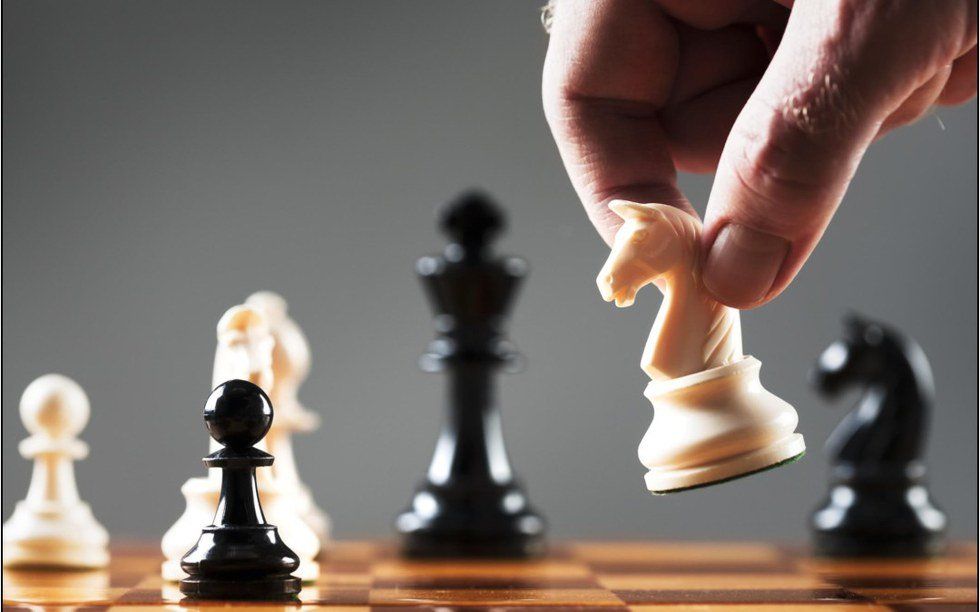
Back in sixth-century India, the world was gifted with the perfect game. This game is so profoundly brilliant, it still prevails to this day, practically unaltered after 15 centuries. The beauty of chess manifests in the simple fact that while the rules still remain unchanged, the players evolve around the game, projecting their own personalities and perspectives onto a single, unchanging canvas. It is impossible to even cheat in this game. There are no steroids, no deflated balls, no foul play, no stacking, no bribing, and no fancy equipment. There are just two players, a board, and a lifetime of study and preparation.
You can play 100 games against the same opponent and each game will be different. I want to share with you one of my favorite chess games from history, played by two of the best players in the world at that time. I can tell you from personal experience that watching these masters go head to head will not only broaden your perspectives about the game, but will also help you become a better player yourself. I hope you find these games as exciting, suspenseful, and inspirational as I have.
The Immortal Game, 1851
Adolf Anderssen — Lionel Kieseritzky
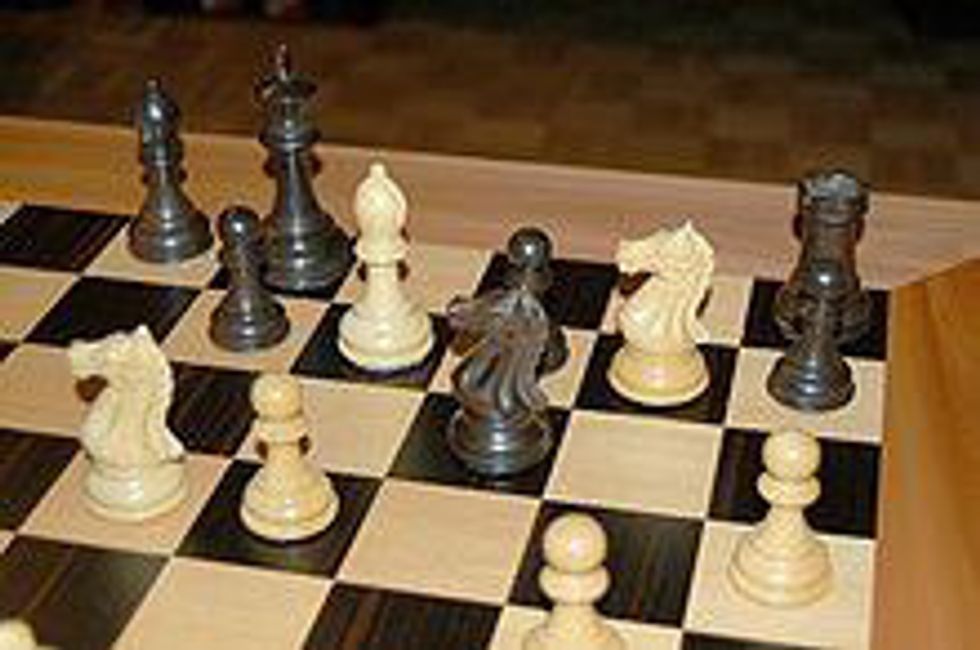
Ever since I discovered Adolf Anderssen roughly five years ago, he has been my favorite chess player to watch. Coming from an era in chess marked by wild gambits and counter-gambits, he always puts on an incredible show. One of my favorite parts of Anderssen's style is how he uses his pieces— even the major ones, like his rooks and his queen— as fodder to bolster his position on the board, placing the location of a piece above its actual material value. This leads to quite a hilarious phenomenon for his opponents. They think they have the upper hand as they slay Anderssen's pieces one after another, but by the time they realize it was all a cruel and brutal trap, it's already too late.
So what do you do when you are on a break from the first ever international chess tournament containing 16 of the best chess players in the entire world? Play more chess, of course! Anderssen actually went on to win the entire tournament — making him the best chess player in all of Europe and possibly the world — but not before playing one of the most legendary games of all time, the one that would immortalize him in the history of chess forever. In this game, Anderssen boldy makes sacrifice after sacrifice, losing his queen, both rooks, and a bishop in quick succession and then, out of the ashes of defeat, pulls the rug out from under his opponent with a blindsiding checkmate, using just two knights and his remaining bishop.
In this game, Anderssen shows us that anything is possible if you are willing to take the risks.