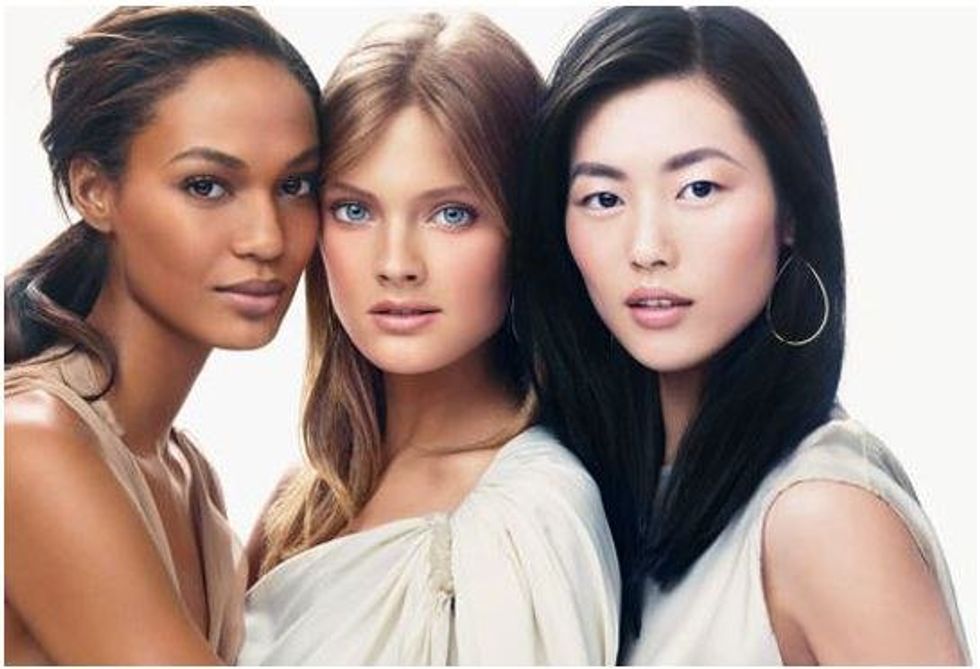
Sometimes, the two halves of my identity play tug-of-war with me. In my mind and in my heart are two competing sets of values, ideals, and beliefs. Of course, the best part of being multicultural is that I can view the world from these different perspectives, and I find that I enjoy comparing and contrasting them. One of the more obvious differences between the East and West is the beauty standards. Honestly, at times, the beauty standards seem like opposites, and growing up with both made me understand just how subjective beauty is.
As a kid, the main comment I received about my looks was "You're too skinny." When an adult pinched my cheek, it was like a test. If there wasn't enough fat in my face for them to get a good pinch, I failed. At home, my sister was the pretty one because she had a beautiful, round baby face. But she hated her baby fat. She wanted high cheekbones and a thin face, like the actresses she saw on TV. To my family, the perfect body type would be between plus size or plus-plus size, proportions that were rarely seen in Hollywood. Although I find round baby faces beautiful and my parents have never told me I needed to lose weight, sometimes, I feel like I need to drop a few pounds.
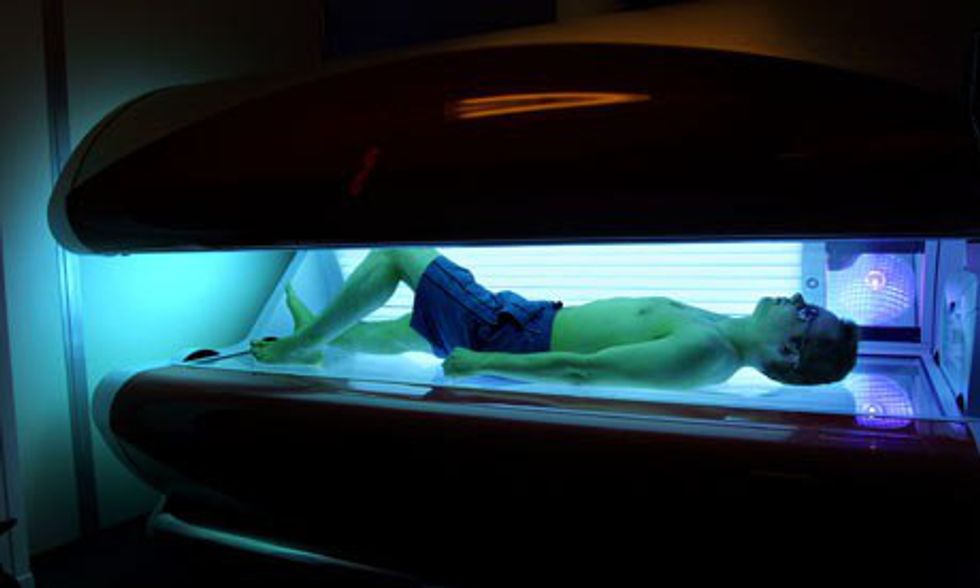
Honestly, it's weird. I'll reject one notion of Western beauty and not the other, and I don't really know why. While I accepted the Hollywood version of the perfect body type (a Victoria's Secret model), I rejected its ideal skin color. Having pale, white skin is covered in the East. When my mom says she saw a pretty girl, she uses a phrase in Farsi that translates to "white and beautiful;" she never says just "beautiful." I stayed away from the sun for fear that it would darken my already golden skin. Meanwhile, dozens of my white classmates were risking skin cancer at tanning salons to get my coloring. Go figure.
Those are the two most evident differences in beauty standards, but there are a few more subtle distinctions. The reputation of blonde hair in the West oscillates between a symbol of angelic purity and bad girl glamour. In the East, its reputation is consistent: blonde equals bad girl (or boy). The women in my community get blonde highlights and will dye their hair almost any shade of brown or black you can imagine, but none would dare go full blonde.
When I was 13, my grandfather asked me if I wanted to get a nose piercing, like the one my grandmother has, and I immediately said no. Somehow, even at 13, I understood how my grandparents would view my nose piercing and how the kids at my school viewed a nose piercing were two different things. Not to say that the kids at school would think it's ugly, but they wouldn't see as a classy status symbol the way my grandparents did.

Personally, I believe most of these beauty standards are linked to wealth. For instance, in Afghanistan, a girl who was super skinny probably came from a poor family and didn't have enough to eat. In America, super skinny girls have enough money to go to the gym, hire a nutritionist, and buy organic food from the farmers' market. You catch my drift. But, whatever the origins, I'm thankful that I value both. When I look in the mirror, I can never see any feature of mine as ugly. If half of me despises it, the other half adores it. So, the only conclusion I can draw is this; if beauty is in the eye of the beholder, it's best to see it with two eyes.