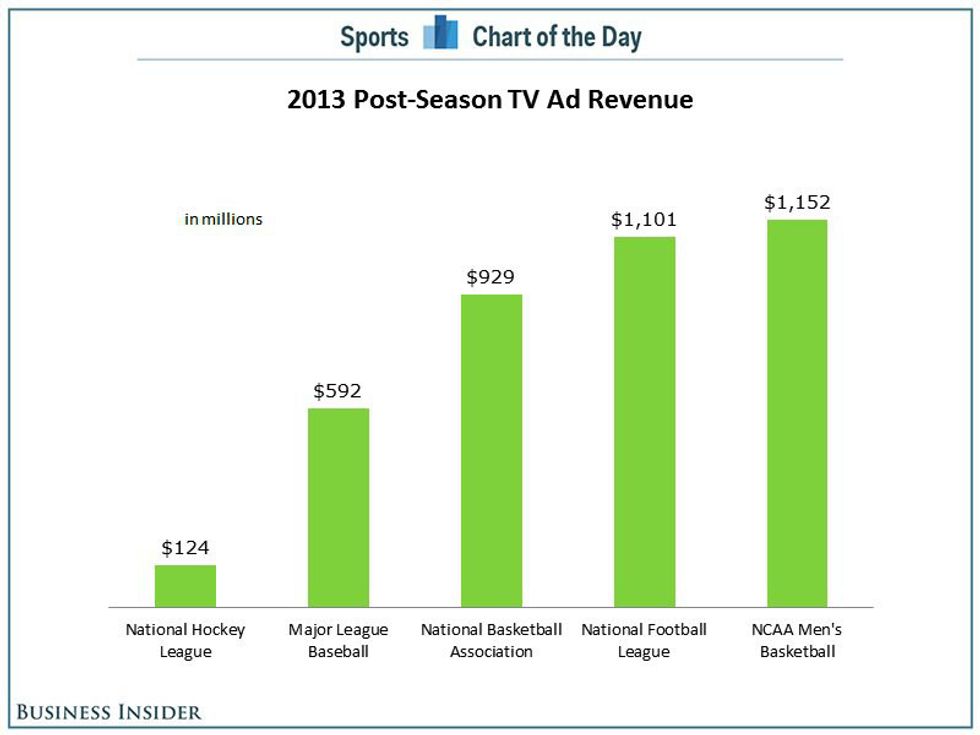
The National Collegiate Athletic Association continues to refuse to pay their athletes but rakes in billions of dollars every year. Every year, the NCAA features March Madness. The college basketball series brings in $1 billion in ad revenue, more than the Super Bowl. In 2013, the NCAA Tournament generated $1.15 billion in ad revenue over 67 games, compared to $1.10 billion for the 11 games in the NFL playoffs, according to data collected by Kantar Media. The NBA is a close third, while Major League Baseball and the NHL are way off the pace.
This was on top of a highly lucrative college football season, the first year of a 12-year deal in which ESPN will pay over $450 million annually for the television rights to broadcast the college football playoff and major bowls that formerly made up the Bowl Championship Series or BCS, according to USA Today. And what has this bought universities?
As of 2013, 40 coaches from the 50 largest public universities in each state were that state's highest paid state employee after total compensation was factored in, Deadspin reports. Twenty-seven were football coaches, and 13 were basketball coaches. In many instances, the coaches only receive a base salary of a few hundred thousand dollars, such as University of Virginia football coach Mike London, who is paid $330,750 by the state. However, London makes another $2.3 million from other sources plus a potential $700,000 bonus, according to USA Today. The rest of the massive salary is derived from media appearances, apparel contracts, endorsements and school booster fund-raising, according to the report.
NCAA officials contend that college athletics revolves around the spirit of competition, and an athlete agreeing to participate in intercollegiate sports is exchanging the gift of a free or highly reduced cost of a college education for the privilege of competing, according to the report. Keeping the NCAA from having to claim “student athlete” as employees was started in the 1950s by Walter Byers.
The regulations would keep universities from having to pay worker's compensation. The Daily Caller reported that although the NCAA has an injury insurance policy up to $20 million on each individual athlete, they rarely qualify for it, and scholarships are a year-to-year agreement that universities sometimes abuse when deciding sometimes whose scholarship should and should not be renewed. The value of a student athlete's college education is called into question in instances like the 2007 Florida State University academic scandal.
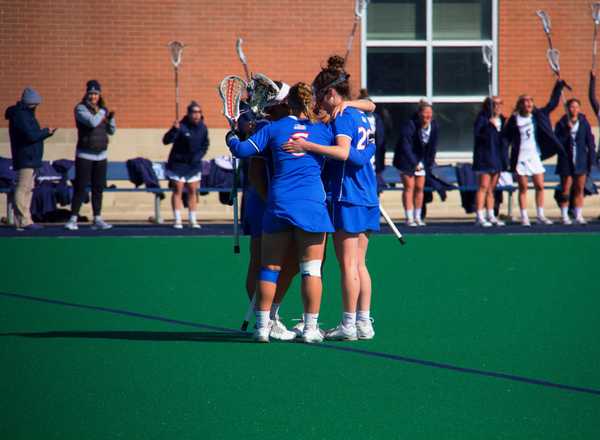
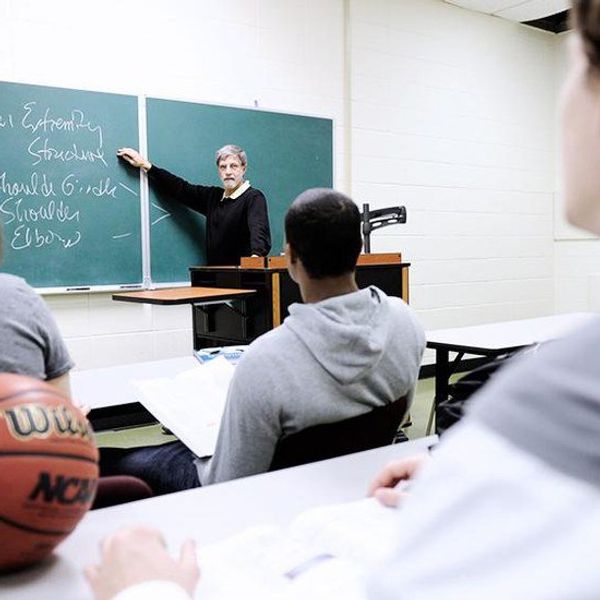
College athletes are spending more than 40 hours a week in uniform in some cases. So if they are not benefiting from the classes they are enrolled in, and devote long hours to working out and practicing for the entertainment of the masses in the arena or on the gridiron, are they not closer to an employee of the university than they are a student? After all, a student working in a campus book store gets paid as a university employee.
Like Mr. John Oliver said, “When the kid selling their jersey at the campus bookstore gets $10 an hour, it seems a little bit strange. And if it truly is about the romance of amateurism, that's fine. Give up the sponsorships and the TV deals, stop paying the coaches, and have the teams run by an asthmatic anthropology professor with a whistle." Coaches who get paid millions while student-athletes earn nothing despite attracting crowds to sporting events is pretty unfair.