
Mental Illness: when people hear that term they often think of anxiety, depression, or OCD (Obsessive Compulsive Disorder) among many other mental health issues.
I am a four year psychology student. I graduated with my B.A. in that field of study and this is something I am very passionate and concerned about...people using mental disorders as adjectives.
Based on unpopular opinion, we live in a society where mental disorders are used to describe everyday behaviors and attitudes. I often hear students say they are so depressed because they did not get a good grade on their test, or they are so OCD, they need to write their notes only in pen, or they don't like to talk in front of the class because their anxiety is so bad. If that is the case, then we would all be clinically diagnosed.
Now I'll admit, I have used these terms to describe similar events in my own life. Once I realized what I was saying could actually be offending someone who battles these disorders daily, I found different, more accurate adjectives to explain minor misfortunes in my life.
I recently talked to one of my old (and favorite) psychology professors, Molly Jameson, Assistant Professor of Educational Studies at the University of Northern Colorado, about the subject matter. She explained that she believes the increase of using different mental disorders as figures of speech is due to the lack of understanding of the mental illness.
"The general population fails to see that being anxious is different than having an anxiety disorder, that feeling sad is different than having depression. I also think that people, in general, tend to be careless with their words. So because they don't know/understand the difference between transient emotional states and pervasive mental health issues, their use of the word 'anxiety', 'OCD', or 'depressed' does not have the correct connotation, but they don't think or understand that," Jameson said.
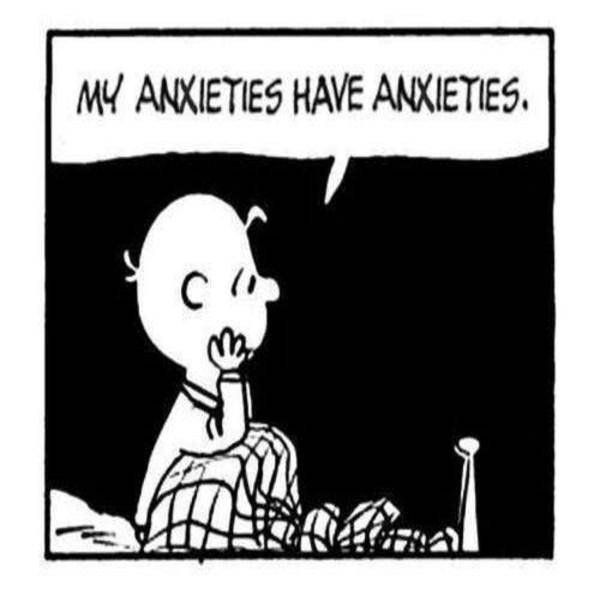
I have seen an increase of acceptance of mental illnesses and more media circulation about different disorders. I often see pictures of quotes on social media that pertain to mental illnesses being "liked" and "shared" daily by people.
These are just some examples of incorrect connotation in picture form that may be shared by thousands of people.

"About 25 percent of the adult population in the United States has a mental illness and 20 percent of youth age 13-18 have a severe mental illness." Jameson explains.
Jameson also said that those percents change when we look at specific populations: 46 percent of homeless adults in shelters have a severe mental illness and/or substance disorder, 20 percent of state prisoners have a mental illness, and 70 percent of youth in juvenile justice systems have at least one mental health condition.
Many people will attribute their feeling of worry or nervousness as anxiety, and that is perfectly normal to have those feelings towards different events, subjects, or phobias in our life. The feeling of nervousness can be brought out in everyone of us, but there is a difference between these daily feeling of nerves and an actual anxiety disorder.
"The major difference between an anxiety disorder and these daily feelings of nerves are that an anxiety disorder interferes with your ability to function for an extended period of time," Jameson stated, "Many people get nervous when performing or doing something new, but it is often related to self-confidence (self-efficacy) or the novelty of the situation, but people who truly have anxiety just cannot perform, they are frozen. They may choose to drop a class, refuse to leave their house, stop talking to people, etc., to avoid the anxiety-inducing stimulus."
Many people who suffer from mental health issues are too timid about telling others of their illness, and this is where a therapist or counselor will be there to help you express your feelings and help diagnose the problem.
"If you feel like you truly have a mental illness then it is best to visit a doctor or visit with a counselor who can recommend a psychiatrist that can identify the problem and prescribe medicine," Jameson said.
There are so relaxation and calming methods everyone can practice. Jameson said meditation is effective in reducing people's anxiety (color calm books are amazing!), providing yourself with alternative thoughts in visible areas is also helpful and will give your brain something else to think about. Also, getting moderate exercise, getting enough sleep and keeping a healthy diet can also make a great impact. Dancing, singing, or spending time with friends and family will help to get your mind off those anxious thoughts.
My take away message is to STOP USING MENTAL ILLNESSES AS ADJECTIVES. Just because you haven't been sleeping well for a week does not mean you have insomnia, or just because you have trouble talking to strangers does not mean you have social anxiety.
I think us as a society have been beating the stigma of mental illness, now we all need to understand the terms we are using daily and the effects they are having on people around us.