

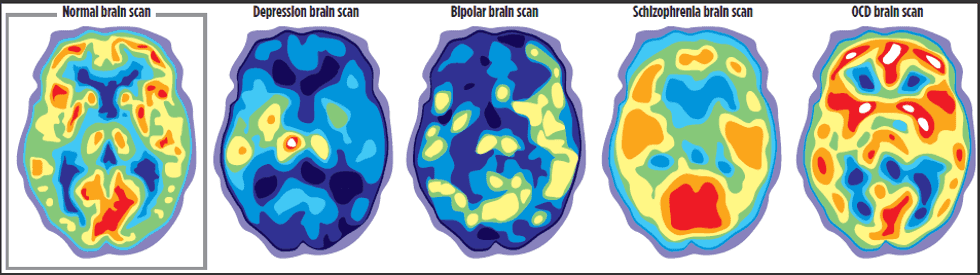
Ten years. It took ten years to be diagnosed as bipolar with obsessive compulsive disorder. Countless failed medications, diet changes, naturopathic remedies, cognitive behavioral therapy, three doctors, two nurses, one health teacher, two psychologists, one pastor, and seven therapists later, it still took half of my life to be properly diagnosed.
I am bipolar, but this does not mean my mood changes like the weather, as the common metaphor goes. I am not happy one moment, sad the next, and angry minutes later. I have OCD but my room isn’t always clean, nor does everything have to be perfect.
The reality is that I’ve gone days without sleep, made irrational, dangerous decisions on a whim, destroyed relationships, and put everything I’ve spent my life working for at risk. For me, the world is spinning at a rate I can actually catch up to, and nothing can stop me.
I’ve spent weeks in bed, feeling absolutely no emotion, knowing that if I were to die, I wouldn’t fight it. During these weeks, taking a shower and eating a complete meal would be my biggest accomplishments.
I’ve spent hours upon hours cracking my wrists until my hands start to burn from chafing and tears are rolling down my face from the pain and fear that the repeated motions will eventually break a bone. I’ve reread sentences to the point of screaming them out loud, attempting anything to will my brain to continue on. I’ve spent hours on an exam simply erasing, writing, and rewriting numbers and figures until they looked perfect, cracking my wrists in between going through another eraser. This is the bitter reality of mental illness.
Yet despite all this, the majority still believe skewed definitions of such illnesses, or to an even bigger, unfortunate extreme, they do not believe they even exist. From loved ones, random strangers, online articles, to everything in between, I’ve heard it all. The most common idea is that the simple cure to depression is to change your attitude. While serving as a student missionary in Thailand, I was told that my depression was due to laziness. Classmates have called exgirlfriends “crazy bipolar broads” and other, more disrespectful variations. And I cannot count the number of times I’ve heard someone say, “I am so OCD, I have to have everything perfect and clean!”
With all of these popular beliefs influencing us, it’s no wonder it took so long for myself and many others to be properly diagnosed. Bipolar never crossed my mind because I was following the societal definition, withholding important symptoms from my health care providers. I never considered OCD because I wasn’t always cleaning my room.
I wonder sometimes how different the life of myself and others would be right now, had we received the proper help years earlier. I write this with nervous apprehension because I already know there will be eye rolls from some readers, thinking I am calling for a pity party. But I’m not. I was diagnosed six months ago and this is my first time disclosing this information with anyone other than my roommates and four closest friends. No, I’m not asking for your pity, I am asking for change.
STOP changing the meaning of mental illness.
You would never equate a broken leg to a bruising, so why is it okay to equate depression with sadness, bipolar with mood swings, anxiety to simple worry, OCD to being clean, etc.? I promise that the English language has thousands of other perfectly replaceable terms to convey your message respectfully and accurately. If you don’t believe me, check out a thesaurus.
While I believe that schools should have a mandatory education on mental illness in their curriculum, there is no way I can change government legislation overnight. And I'm alright with that because I also believe that progress is best made in small steps. Positive change is possible, and it starts with just one person making the conscious decision to stop throwing the name of illnesses around like common words.