

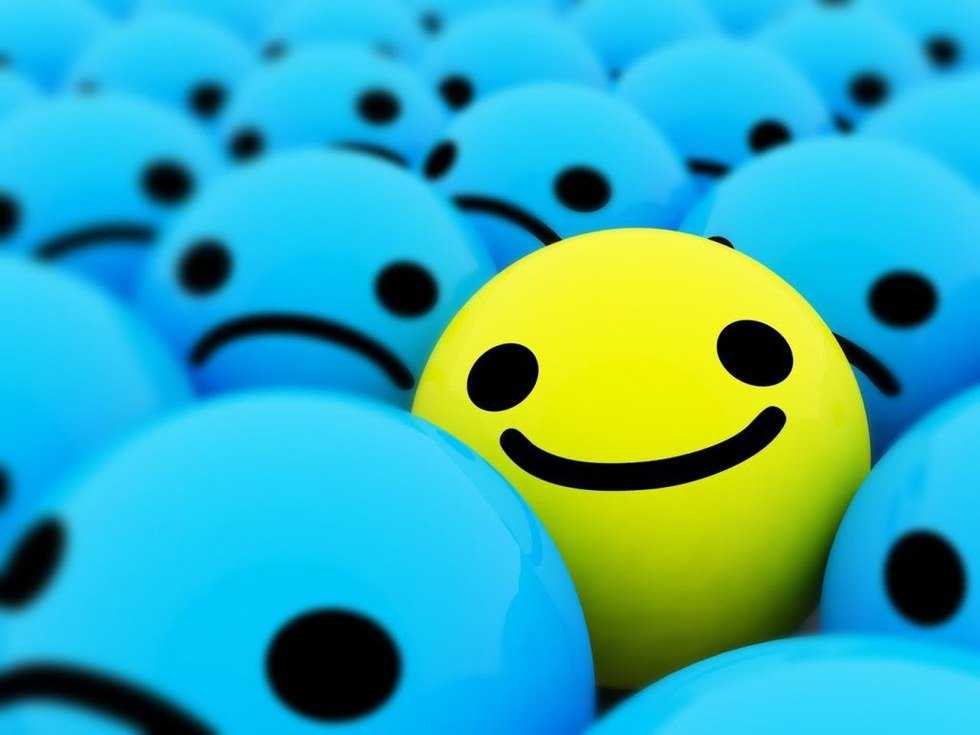
I am not a professional, I have no clinical experience, and the extent of my psychology education is merely a Bachelor’s degree. However, as someone who has had significant personal involvement with issues surrounding mental health, I hope to shed light on a stigmatized and unversed subject.
//Personal Connection
At the age of 23, the number of people I know who have taken their own lives should not be in the double digits. I wish I didn’t know so many people who suffer from alcohol abuse. I wish I didn’t have to hear about another peer in high school who is addicted to drugs. It is an unfortunate reality of the world we live in.
What I do wish is for more people to seek help if they or a loved one are experiencing a mental illness. As someone who was never afraid to ask for support, I hope that more people can follow suit. Although my anxiety diagnosis never put my life in danger, it did have a significant impact on my life in various ways — socially, physically, and of course mentally. However, with a willingness to seek help and diligent treatment, I am proud to say that my anxiety no longer significantly affects me. Although controllable, it will always be a part of who I am — I like to think it gives me a few quirks that make me unique.
//The Stigma
It’s one of those subjects no one wants to discuss, right behind abortion, gay rights and religion of course. Never discuss your diagnosed depression at work, but feel free to tell us all about your migraine headaches and struggles with IBS.
Why is there such a stigma surrounding mental health? In addition to fear of the unknown and the unnerving references to “depression” or “anxiety,” there are two realities of human life that contribute to the ignominy of having a mental illness:
Reality 1: We all have experienced distress in our lives. There are days we feel anxious, times we are stressed, periods in our life when we are sad. Sometimes, we choose to suppress these feelings as best we can. Other times, we cope by sharing our distress with friends and families.
Because stress is a common part of life, it is often difficult to determine whether this distress you or a friend experiences is unusual. Furthermore, what is viewed as “unusual” often varies by age, gender, culture, religion and socioeconomic class. For instance: if a woman displayed sadness during a touching movie, our society would view that as justified and “normal” behavior. However, if a man were in the same situation and exhibited the same feelings, he would be viewed as overly sensitive and “abnormal.” Simply put: normalcy is a societal construction.
Reality 2: We are taught to believe we have some degree of power to positively change our lives. And this often is true. As humans, we have been afforded the ability to learn, to become self-actualized, to forge meaningful relationships with others. We are also told at a young age that we have will power and the ability to change the things we don’t love about ourselves. However, even when beyond our control, if you can’t change these things you’re seen as incompetent or labeled as a failure.
//How do these facts relate to mental illness?
Our inability to distinguish between “normal” stress and marked distress makes us hesitant to acknowledge a potential mental illness. We may view sadness or angst as familiar and normal, unable to discern whether there is cause for concern. We ignore minuscule yet critical insights into our friends’ well-being. We assume that because we have experienced and dealt with similar circumstances, our friends should be able to cope like we did. Or we believe that we should be able to manage our distress because someone in a comparable situation once did. Because distress is a common feeling, our reactions are muted by the reassurance that the distress is “normal”. He seems pretty upset, but it will blow over. He always overreacts like this. If this were to happen to me, I would have handled this way better.
We believe that we have control over our well-being. This fallacy contributes to our resistance to seek a professional and the belief that we can sort through our own personal issues. Not only do we fear the label of being diagnosed with a mental illness, but we believe we are weak if we need an outsider to help us with our problems. Instead of suggesting that friends seek professional help, some view them as feeble because of their need of aid. In reality, they are no more capable of healing themselves than if they had cancer, heart disease or some other physical illness.
//No One is Perfect—Not Even the American Psychological Association
The Diagnostic and Statistical Manual of Mental Disorders (DSM, published by the American Psychological Association) has long been criticized for contributing to the over-diagnosis of mental illness. Using this manual as a national guide, the majority of Americans are considered to have some mild form of mental illness at one point in their life. OCD; high-functioning. Depression; seasonal. This illustration is not meant to instill fear of having a mental illness or produce hypochondriasis. Instead, it is meant to provide a more comprehensive perspective on mental illness, demonstrating the subjective essence of psychological diagnosis. Unlike the objective nature of medical diagnosis, psychological diagnosis is multidimensional and culturally constructed. With the considerable variation of cultures within the United States, it is impossible to have an all-encompassing manual of psychological illness that is impervious to cultural influences. Misdiagnoses and over-diagnoses are the result.
The flip side of over-diagnoses are cases where a diagnosis that was there to be made was missed. The friend who appeared to seem happy was grieving miserably inside. The quiet, soft-spoken classmate went home every day to experience physical abuse from their parent. No matter how aware we try to be with our friends and peers, repressed feelings can fall under the radar. We cannot blame ourselves, or the individual undergoing the distress for not sharing how they truly felt.
Given these facts of clinical psychology in America, how can we know if our behaviors rightly are in need of professional help? Although there is no perfectly clear answer, the Campus Mind Works at the University of Michigan provides a good resource for knowing when to seek professional help.
http://www.campusmindworks.org/students/when_to_ge...
//Concluding Thoughts
By having a more open dialogue about mental illness, we can hope that fewer people will be afraid to speak up. We must be willing to acknowledge that no one’s mind is flawless, and that there will be times when help is critical.
The purpose of this article was to attempt to simplify the complexities of mental illness into one coherent message: Be perceptive and empathetic to how your friends feel and behave, while also being internally aware of your own well-being. Don’t be afraid to seek help, or to suggest to someone that they may be in need of help. No matter the appearance of someone's problems, seemingly big or small, it's never a bad idea to be overly cautious. It could promote a person’s current well-being, future happiness, or even save a life.