
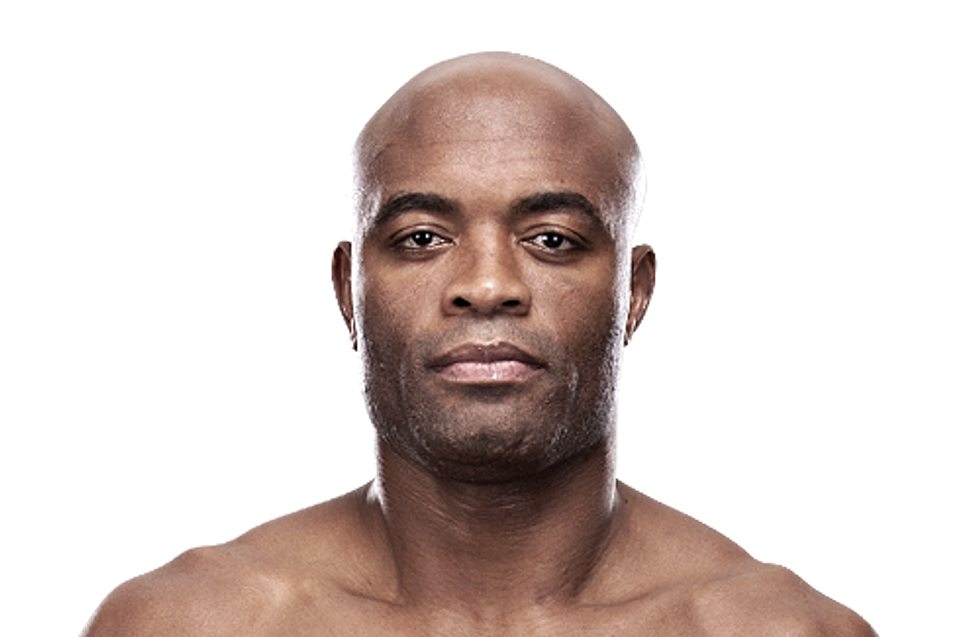
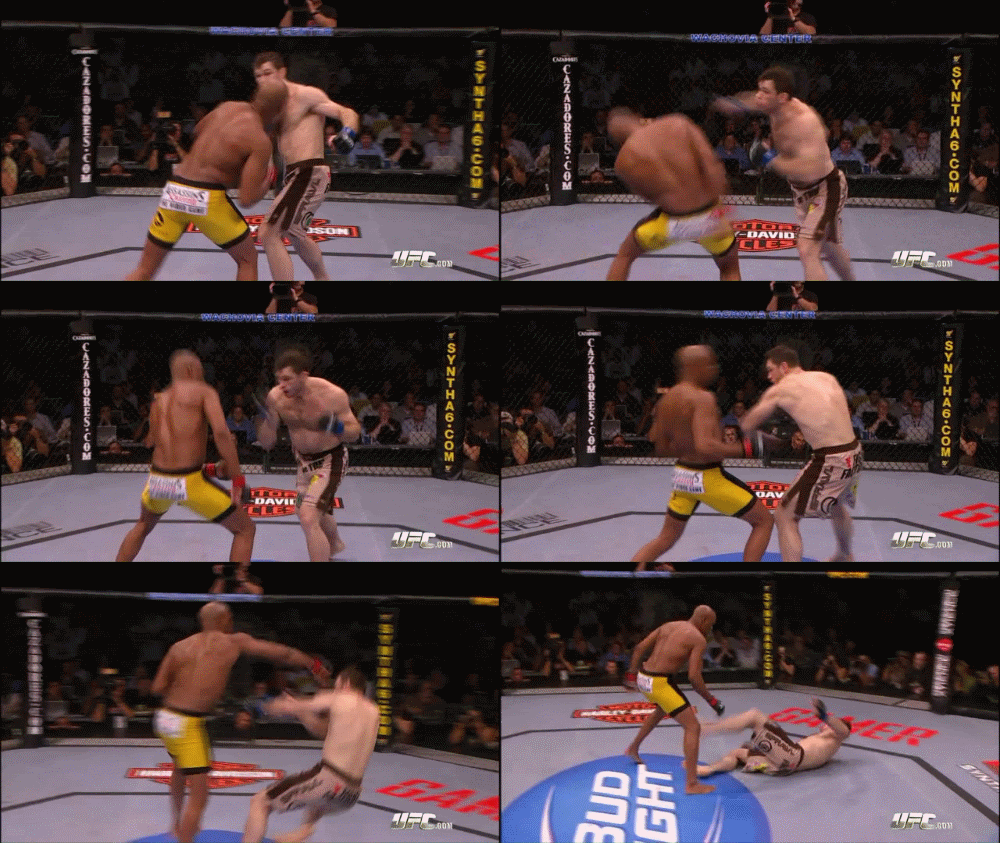
No. 5 ranked middleweight Anderson Silva (33-6, 1 NC), one of the greatest fighters of all time, fought against No. 7 Michael Bisping (27-7) in London, England on February 27. Most fans of mixed martial arts know of the former champion's rise to stardom in the UFC, having had the longest win-streak in the organization's history with sixteen consecutive wins, the highest striking accuracy in the UFC, and the longest reign as a champion. Most fans know of Silva's flashiest and most extraordinary wins, like his front-kick knockout against No. 3 Vitor Belfort (25-11) at UFC 126 or his incredible dodge-countering KO against Forrest Griffin (19-7) at UFC 101. But his early career, the days and fights that defined the fighter he would become, are not as highly publicized nor remembered. His wins and losses in promotions like Pride and Cage Rage helped to cement the foundation of "The Spider"'s legacy as one of the best and most important fighters in the history of MMA.

Fight Style
Silva is a martial artist in every sense of the term. He began training in martial arts at age seven with Tae Kwon Do, and eventually earned his black belt in that. He later went on to receive a black belt in Muay Thai, a black belt in Brazilian Jiu-Jitsu, a black belt in Judo, a yellow rope in Capoeira, and has boxing training. By keeping himself rounded, Silva is able to utilize all of these techniques in a fight, hybridizing them into a fluid counter style that is eerily reminiscent of Bruce Lee and Jeet Kune Do. Silva is primarily a counter-striker; he lets opponents rush in and make mistakes, and he capitalizes on those mistakes, finding openings that other fighters would miss. Silva is also skilled at transitioning stances, switching from orthodox to southpaw seamlessly, which disorients opponents and makes defending against "The Spider" and his rush of attacks extremely difficult. He's also notorious for using distractions to his advantages, with unconventional hand movement and often funny positions. By doing this, he is able to get inside an opponent's head, playing mind games that confuse and infuriate the weak-minded. Those that fall for his tricks pay the price, as they pounce forward to attack and Silva waits for his opportunity to land that one perfect punch.
Boxing Career
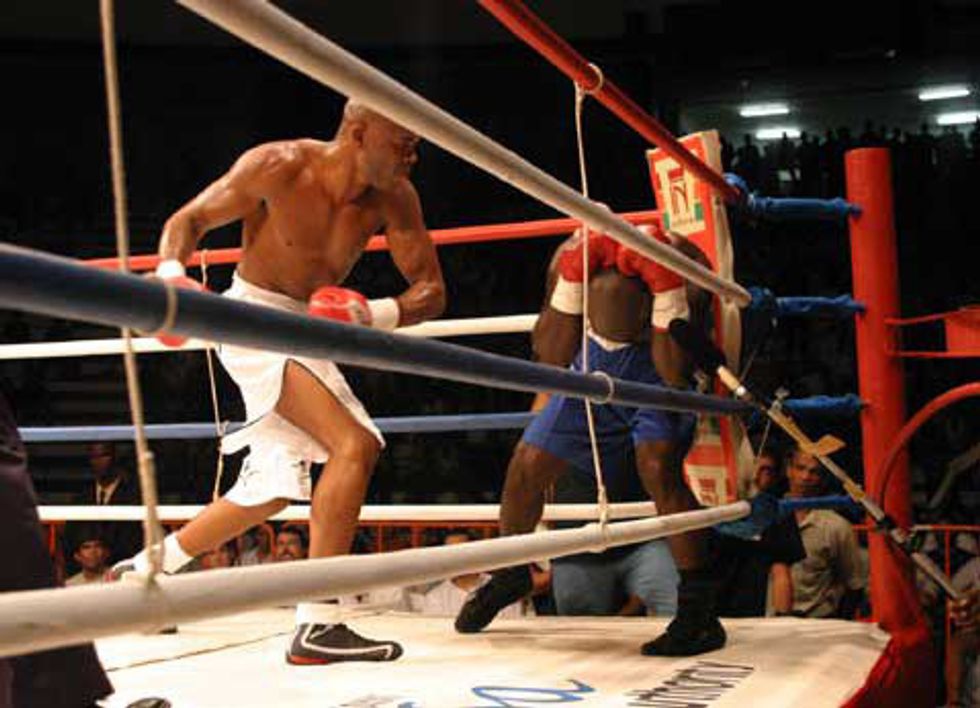
Before he became a UFC middleweight champion, Silva was also a professional boxer. Fighting in the 200 lb. cruiserweight division, Silva only had a record of 1-1, losing to Osmar Teixera in his 1998 debut and KOing Julio Cesar De Jesus in 2005. Both fights were in extremely unknown promotions, so not much is known about his career as a boxer. One interesting thing note, however, is that after Silva submitted Dan Henderson (31-14) at UFC 82 in 2008, Ed Soares, Silva's manager, said that "The Spider" was interested in fighting Roy Jones Jr. (62-9), a champion light heavyweight boxer, in a boxing match. It was Silva's desire to "prove that MMA fighters are technical, too" to Jones Jr. (Source). Although the call-out amounted to nothing, a fight between the two, at the time, could have proven intriguing. Silva has shown himself to be one of the most technical fighters in all of the UFC, and Jones Jr. was one of the most decorated boxers of his time, holding multiple titles in multiple weight classes. In the end, boxing has proven to be another tool that Silva uses from time to time.
Early MMA Fights
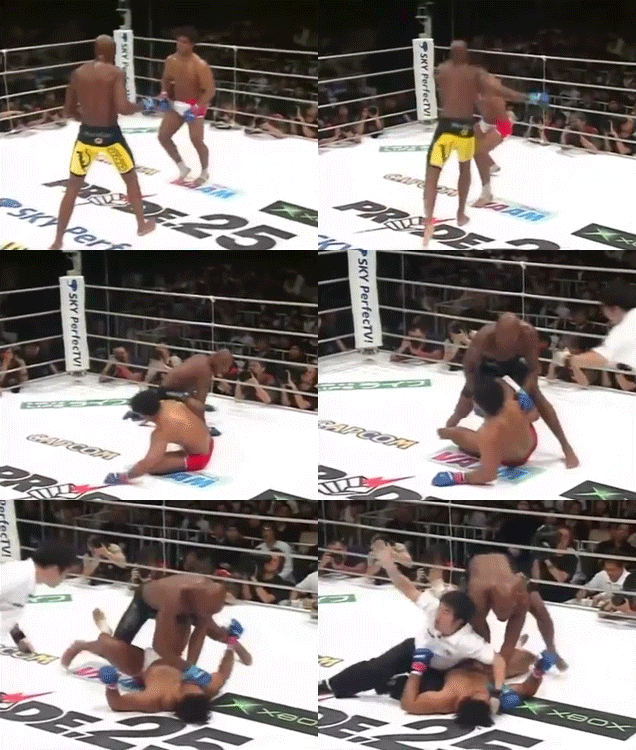
Before he signed with the UFC, Silva was an incredible fighter in organizations including Pride and Cage Rage, with a record of 17-4. There are three fights in Silva's pre-UFC career that particularly stand out in his time. First was his match against Carlos Newton at Pride 25 in 2003. The fight was initially one-sided, with Newton hitting with some powerful blows and nearly submitting Silva with a kimura, but Silva recovered quickly. The fight ended when Silva landed a flawless flying knee as Newton went in for a takedown. Following up with a few more punches, Silva snatched the victory. This was a showcase of Silva's excellent technical striking game, making well-placed and accurate shots.
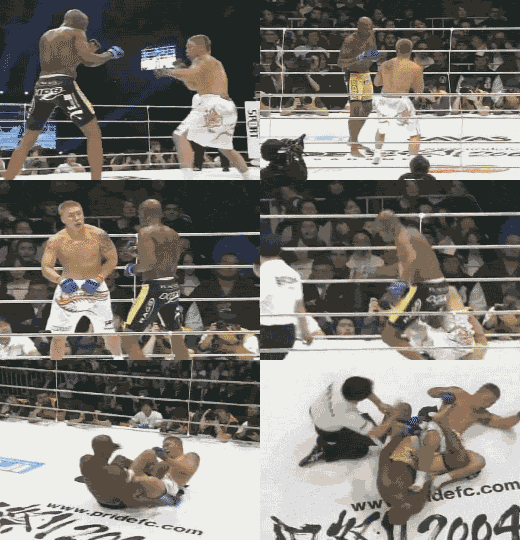
The next year, Silva met Ryo Chonan in the ring. The fight nearly went the distance, with both Silva and Chonan pushing the pace and never backing down. Everyone was anticipating the decision, when Chonan did the incredible. Chonan leapt at Silva and landed an extremely rare flying scissor heel hook. I have never seen this submission before or since; it's usually not allowed in competitions because of how dangerous and injurious it is to the victim's knee. It was unrealistic timing on Chonan's part, and I don't think we'll ever see anything as that once-in-a-lifetime meteor shower of a submission.
The last occurred in 2006, when Silva fought in Cage Rage for the last time and soon thereafter signed with the UFC. Silva met Tony Frycklund, defending his championship for the third time. "The Spider" lashed out at its victim in with an indescribably amazing reverse elbow knockout. It's a showcase of Silva's ability to land this shots that are just so flashy and so perfect, they transcend anything ever done by mixed martial artists before. I'm not even going to describe that elbow anymore, I'll just let you see it for yourself:
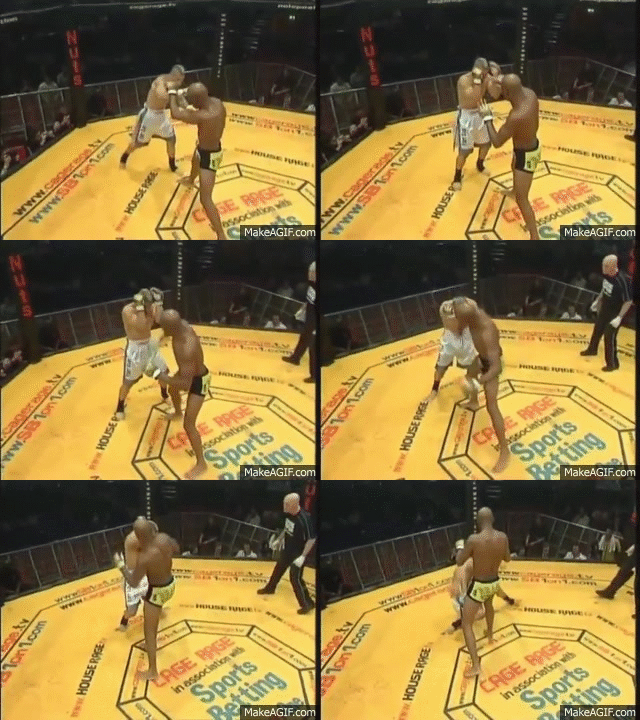
Beautiful.
Silva would go on to knockout Chris Leben (22-11) within the first minute in his UFC debut, get an immediate title shot and victory against then-middleweight champion Rich Franklin (29-7, 1 NC), and defend his title for seven years until his defeat by the hands of Chris Weidman in 2013.
Although Silva lost to Michael Bisping by unanimous decision in a well-executed fight, his impact on the MMA world is not diminished in the slightest. Anderson Silva will always be a revolutionary figure in the world of fighting. Perhaps he will learn from his recent defeats and come back better than ever, or maybe Silva will hang up the gloves and retire. Whichever course of action he takes, Silva is nonetheless one of the greatest of all time.