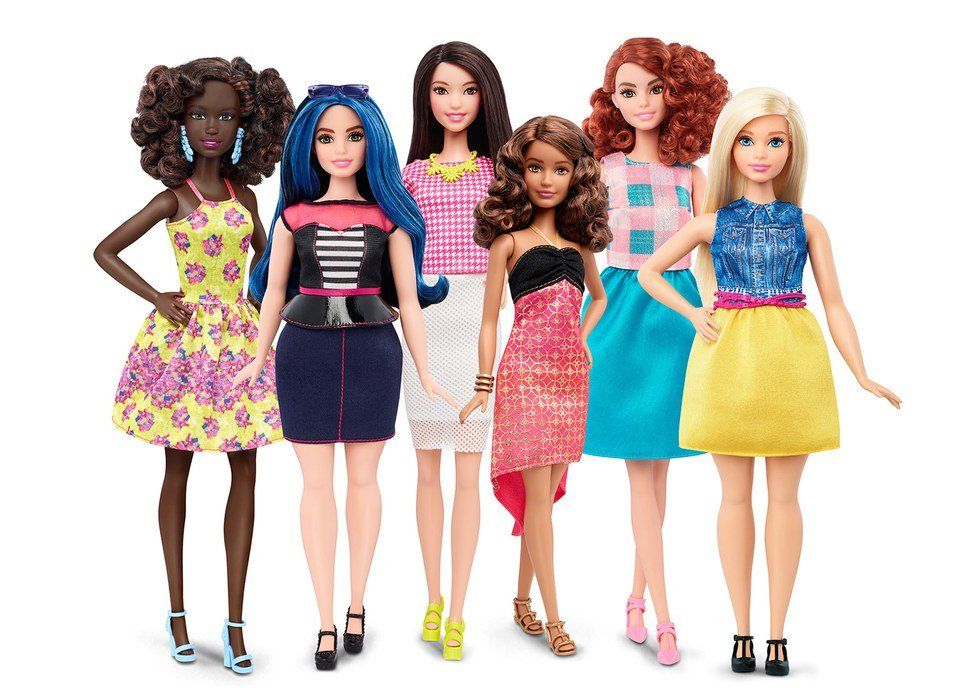
This year, Barbie’s body changed. She became curvy, petite, and tall as part of Mattel’s new Fashionistas Line , which also included seven new skin tones, 22 new eye colors, and 24 new hairstyles . Mattel’s move has been praised by many for creating more body diversity and possibly a start for better body image among young girls nationwide. But is this move really going to make a difference in the long run? I don’t think so.
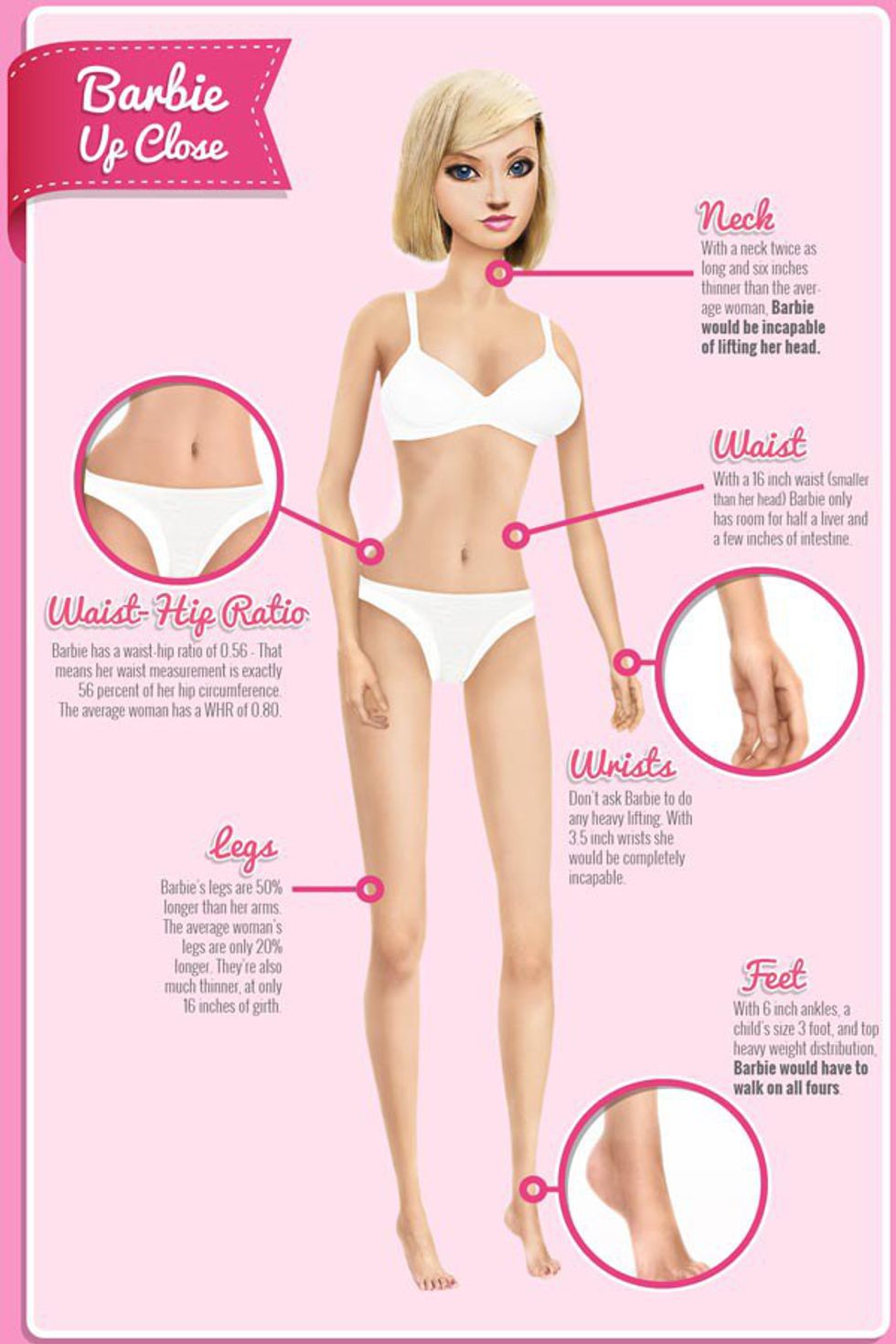
For years there has been backlash over Barbie’s figure and a grim picture has been painted as to what Barbie would look like if she was a real person—walking on all fours, incapable of lifting her head, unable to menstruate, and lacking most of her internal organs. But why are we focusing on this? Barbie is a doll and of course if her proportions were to be applied to a human they would be off because Barbie is 11.5 inch doll for kids to play with not a representation of what a woman is supposed to look like. Barbie is made for fantasy and make-believe, for people to target a toy company over the proportions of a doll, reflects a greater problem—lack of parenting.
A country full of parents who did not bother to tell their children that Barbie is a doll and not a real person, and that fantasy doesn’t translate to reality because it was never meant to. This push for Barbie to have different body types and be more realistic is a reflection of adult insecurities about body image being projected onto our children—forcing them to grapple with something that they should not have to worry about. By pushing adult insecurities into children’s toys, the opposite effect will occur—kids will become more aware of how their body looks and be more likely to try to compare themselves to the three body types Mattel has created because now they are conveniently labeled. Additionally, kids will still have a poor body image because the new Barbies are still created with body types that our society would still find desirable, just smaller or taller or a larger hourglass.
I also find this remodel of Barbie to be a major double standard for more realistic representation in the media because there are still lines of dolls such as Bratz or Monster High Dolls, that have much more exaggerated proportions than Barbie such as overly large heads and detachable feet. We claim to want more body types represented and show kids that there is more than one type of beauty, but we have ignored other lines of unrealistic looking dolls, that still have the potential to harm children’s body image. Why should Barbie be the only that takes the heat? By the logic of wanting dolls to be more realistic, so kids have a better body image, then shouldn’t every doll on the market be made to look more realistic?
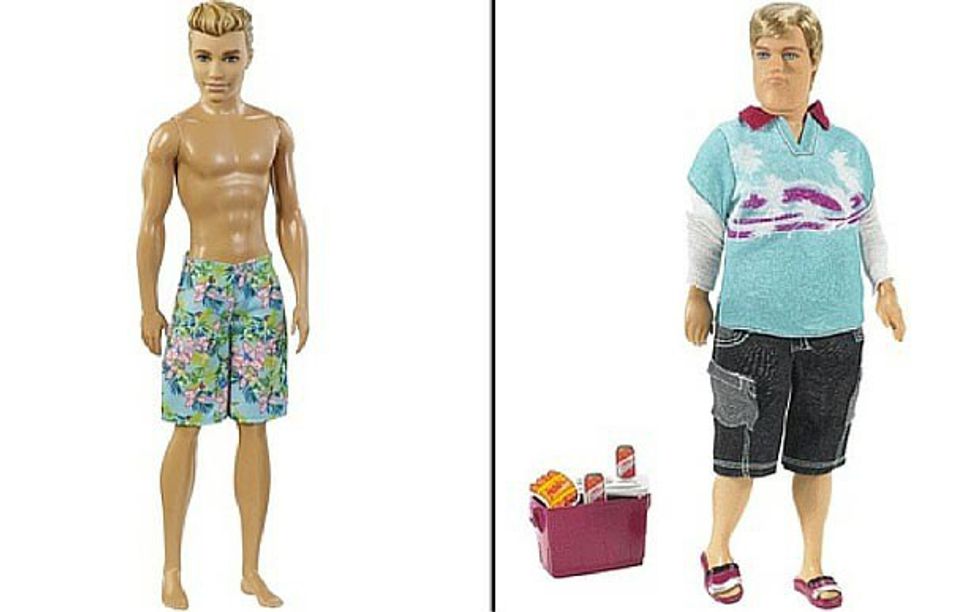
The answer from this campaign for different body types in media appears to be "No, only focus on Barbie." A second double standard I observed is that only Barbie has different body types, Ken is still the same lean, muscular man he always was. This sends the message that boys must be fit and muscular to be considered desirable, which can lead boys to take drastic measures to achieve that kind of physique. This backlash over Barbie’s body seems to only care about protecting girls rather than protecting boys as well.
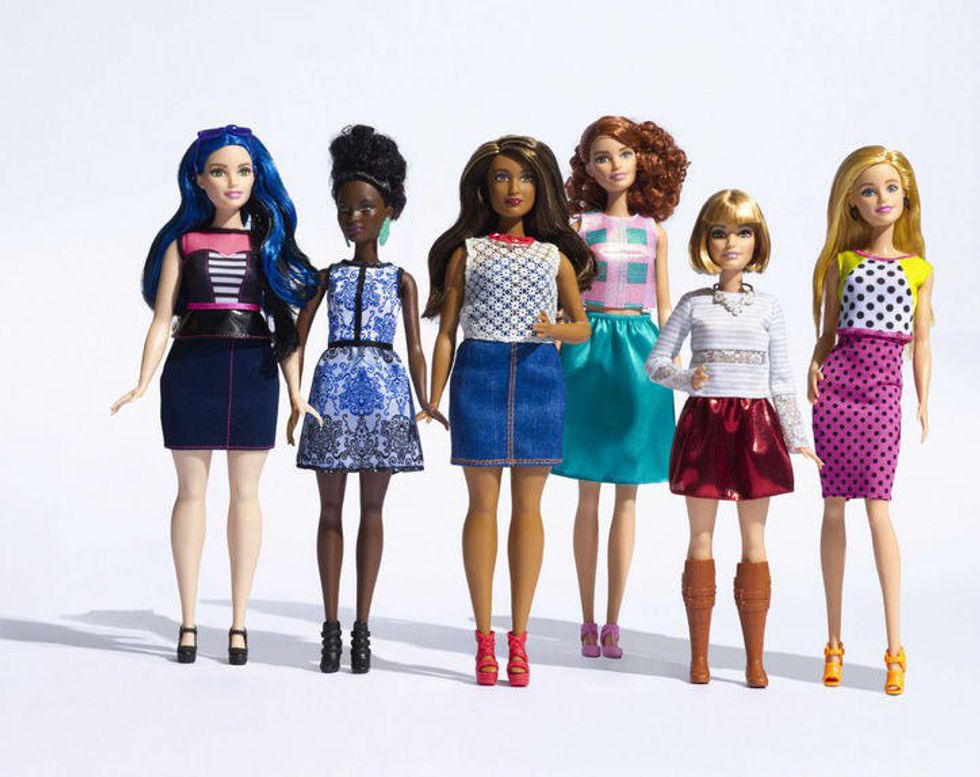
I do not think the new curvy, tall, and petite Barbies are a good move on Mattel’s part and I believe that they should be abolished because parents need to step up and make it clear to their children that there are fantasies and realities and that Barbie is a fantasy, and that kids do not need to take on adult insecurities. Second, those who praise the new Barbie bodies are selectively choosing which representation in the media to endorse by ignoring Ken’s body and the bodies of other dolls. And lastly, the new Barbie dolls still fit society’s standard of beauty the scales have just changed.