Do you want to scare someone?
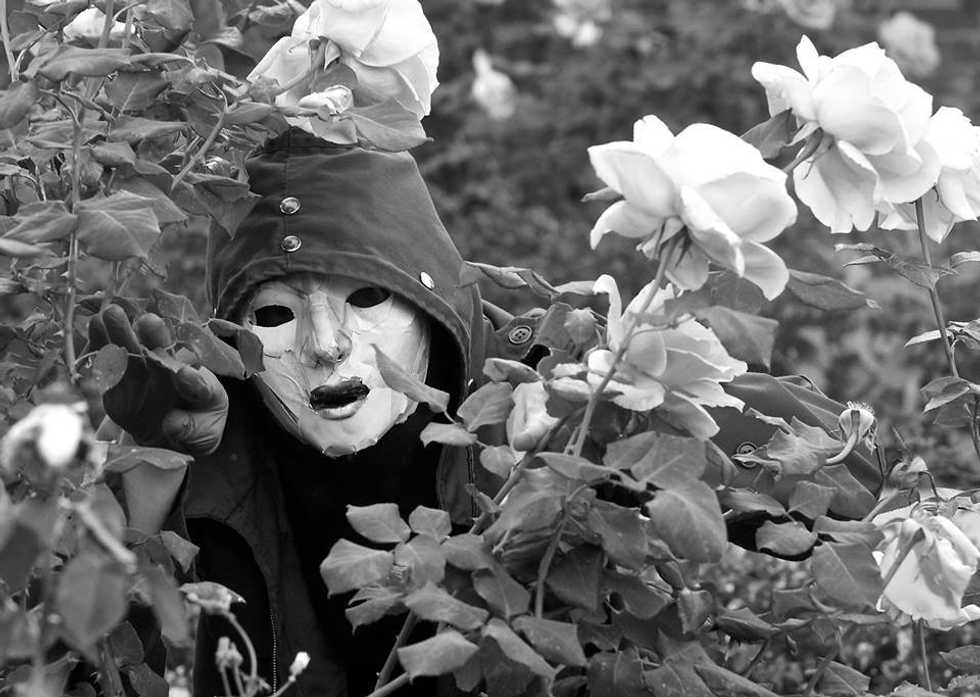
It's fun, it's invigorating, and it's pretty easy once you know the tricks. There are tricks — methods and tips that make scaring remarkably simple. I should know, I'm an expert. People seem to think I'm good at being scary. Well, they haven't told me, but they have directed a wide variety of yelps, screams, and loud curses at me. Some people have nice hobbies. I have a flesh mask.
So maybe you're looking to make a friend jump or get your roommate to shriek. That's easy enough, but what if you want to really make sure they're scared? Startling is easy, but scaring requires finesse. You need to plan and do a bit of acting. Here are 3 ways to truly scare someone.
1. Timing
Like humor, the most important thing about scaring is timing. Timing is about knowing when to jump out and when to remain in the shadows. A good scare requires patience and consideration. My favorite scares are when people turn and suddenly notice me.
Act like a stalker or home invader and anticipate your target's movements. I know that's good advice, since it's creepy just writing that out. Know where they're going and position yourself for the pounce. Naturally, waiting until dark is always a good choice, but it's important to be able to scare in the light too. A spook-master can scare as well in daylight as darkness.
Also, timing requires knowing when someone shouldn't be scared. Try to avoid scaring at funerals, please. The coffin is full of possibilities, but it's best to refrain. Timing goes with observation, so note if a person's in a bad mood and withhold the scare. Terror is more palpable when it sours joy. Er, I mean don't be a jerk. If someone's stressed, they don't need a clown to burst out of their bed and interrupt their prayer session for orphans.
2. Props
The difference between startling and scaring is how long they're terrified. That's why it's important to use props. I'm a skinny guy with glasses, so I'm not exactly intimidating. However, with the use of masks, chains, and gloves, I can unsettle someone long enough to make them forget that I'm as harmless as a hard pillow. How you disguise yourself and what you use to distract them from your normal appearance are very important. Visual cues are best, but unnerving sounds and strange textures are incredible aids.
A stranger jumping at you is scary. A disheveled stranger jumping out is scarier. A stranger in a creepy mask might seem silly, but is more likely to confuse someone in the moment, which allows for a more effective scare. Confuse the target, make them doubt their safety for an instant. A temporary suspension of discernment will better trigger fight-or-flight. That also means, you're more likely to get punched!
Choose your props well. I prefer the more unusual over gore or monstrous features. A Michael Myers mask is boring, but a Winnie the Pooh mask has potential. Be resourceful and think outside the box.
3. Behavior
Your behavior is vital. This is how you act out the scare. It's the difference between a clown walking toward you and one sprinting toward you. Sure, a clown is scary and sure, you don't expect one to slip out of your bathtub; however, the scare fades away if you don't think the clown is going to do anything. If it lurches, hops, or sprints toward you, you're more likely to assume danger. Again, this is about extending the suspension of disbelief — you need to delay the moment that the target realizes they're not in danger.
Something that's both a weakness and strength of mine is that I move a certain way when I'm acting scary. People know I'm behind the Trump mask when they see me twitch and tilt my head like an epileptic lizard. My erratic movements are suitably inhuman, but they give me away to friends. If you want to scare someone who knows you well, add a gait to your step or a slouch in your back.
Use these 3 tips and you'll be rising through the FBI Watchlist in no time.