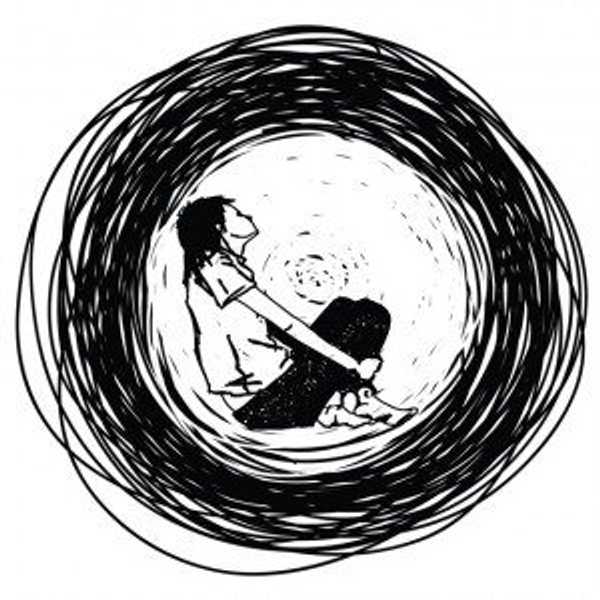

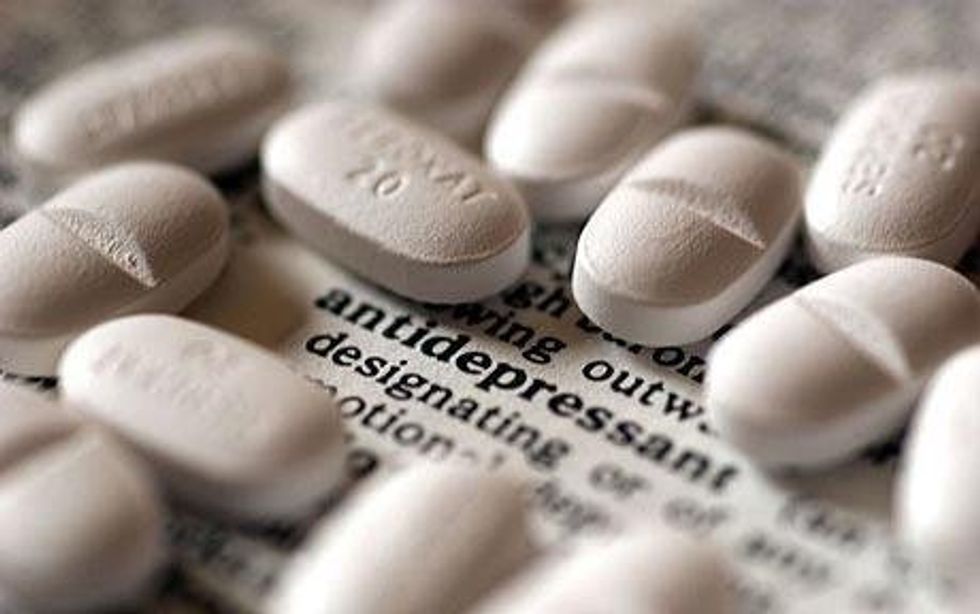
Our generation’s common cold is anxiety, whereas previous generations were plagued by depression. The rate of mental illnesses continues to be on the rise, which is a factor of both increasing populations and increasing criteria for diagnoses. Yet most of us struggle with some kind of mental illness or know someone that does, and many of those who do suffer look to medication to palliate the symptoms. I have been on antidepressants and anti-anxiety medication since I was 9 years old, and I have tried everything under the sun from Benzos to SSRIs. After years of being unable to cope with my debilitating anxiety and depression, I finally found a medication that helped me, and I have sworn by it the past four years. I am quick to encourage medication for those who need it, because I think medication is a gateway to being able to understand and cope with mental illness. Medication takes the edge off so that you may be more sentient of what you are going through, and may make you more open to receiving alternate forms of treatment, like therapy.
The problem with medication, in addition to a slew of potentially unpleasant side effects, is that when you grow up on it, you begin to look at your identity with ambivalence. Medication does not change my entire personality; I do not like to play the piano or draw because I am on an antidepressant. However, I notice that when I am not taking my medication for whatever reason, I am irritable, I am more reserved, I am quieter. I know that I am depressed, but for some reason, I like it. I wallow in my own self-pity because that is what I know, and I’m not sure I deserve to feel anything else. When I am on my medication, I still feel the remnants of the anxiety and depression that haunt me, but they are not so overwhelming. I smile more and am able to laugh easier; I do not wish to be depressed and I allow myself to do and feel more. I am a very different person with and without medication, noticeable not only to myself but especially to those around me, who often tell me I am not acting like myself when I haven’t been taking my pills. Ironically, people always think I am acting “unlike myself” when I am off my medication, when in reality, the person they have grown accustomed too and enjoy being around is a product of the wonders of pharmacology. I am undoubtedly more functional when I am on my medication, but it is a difficult concept to grasp that my medicated self is better at being me than my un-medicated self. Why do I have to take medication to “be myself?” Should I embrace the un-medicated version of me, even though this version is unhappy? Will I always need to be on medication?
The reality of it all is that I do not have the answers to these questions. I do not understand why I need medication to be the most functional version of myself that I can be, but I know that I do. I know that my quality of life significantly decreases when I am not taking my medication, and I know that the minimal side effects I experience are worth the ability to breathe under the weight of my own demons. I am an advocate of both pharmacology and psychotherapy, because I think that this amalgamation of treatments produces the best results, and I believe that a huge proponent of getting better is being able to restore some semblance of balance internally, which is what medication does. For those that oppose medication, I think that it is entirely possible to help yourself cope with other forms of treatment, like psychotherapy, but I am all for taking the edge off rather than dealing with these problems at full force. I do not know whether or not I will have to take these pills for the rest of my life, and whether I will ever resolve the conflict between my un-medicated self and my medicated self, but I do know that I would rather be a slave to this bottle than a slave to my mental illness.