
Before I was diagnosed with panic disorder the fall of my sophomore year, I threw around the term "panic attack" very loosely. Any time I was anxious about a situation, I claimed I "almost had a panic attack." I have always been a somewhat uptight, anxious person, but until you experience an actual medically-defined panic attack, you don't know what it means.
For me, it starts with hyperventilation, inability to catch my breath and focus on the task at hand. I feel as though my chest is tightening and the world around me is closing in. My body starts to shake and I begin to sweat out of nervousness. I usually end up crying because the feeling — although I've experienced it several times before — seems as though it will never go away. It is one of the most intense and terrifying things I have ever experienced.
I have had several panic attacks while on campus, which often lead to a call to my mom or therapist. Being in the same time zone and having them be only a free phone call away makes it easy to reach them. But being abroad for the semester makes having panic disorder that much more challenging. Sometimes FaceTime doesn't work or I don't have service to use Whatsapp or Viber to call them. With the time difference, my parents aren't always available to take my call. For me, dealing with my attacks alone is difficult, although I have been working on it. I often need someone to distract me from what is going on in order to take my mind off of the panic attack and to calm me down. Being abroad in a new place with new and unfamiliar surroundings can be hard because the anxiety I feel, if not released or tamed, can result in an attack.
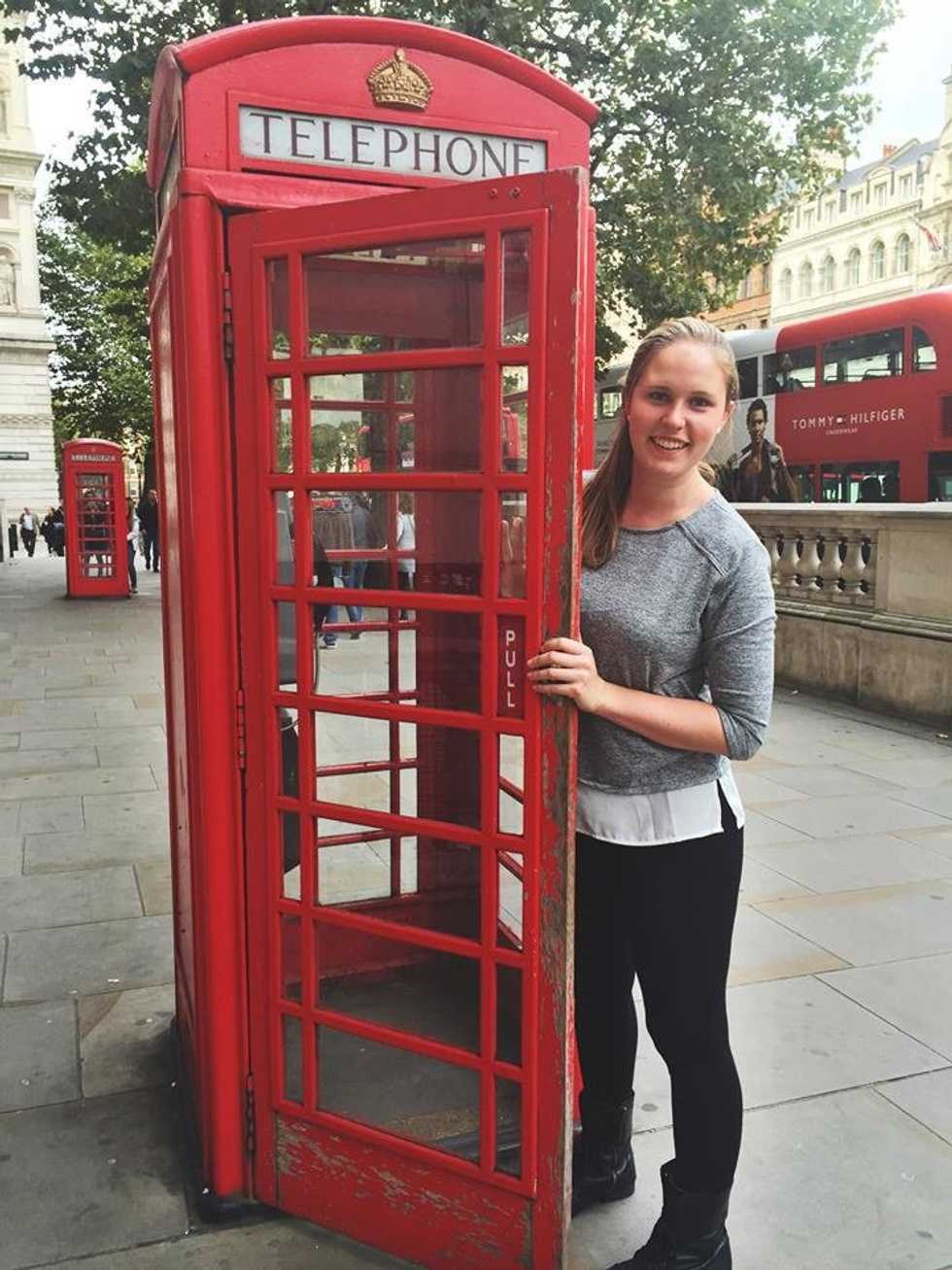
Studying abroad is all about experiencing new things, trying something different, and exploring new places, cultures, and activities. I am often hesitant about trying something new because I worry it will result in an anxiety or panic attack. Since arriving in London in September, I've had two attacks. They come on suddenly and often out of nowhere. Sometimes they are about something major, and other times not so much. I've experienced both kinds. I don't normally sense when I am about to have an attack, although if I am already feeling anxious about a situation and don't do anything about it, I may experience one. But because of these panic attacks as well as previous ones, I have learned how to at least attempt to calm myself down and get myself through it. I have tried to think positively when facing a situation that entails a new decision or new task. So far, I have been successful.
The important thing I've learned about living with panic disorder while abroad is that everything will pass. Yes, in the moment it is terrifying and feels as though I am about to die, but if I believe in myself and realize that I have been through this before and everything ended up okay, then I am able to get through the attack all by myself.
There will always be a time in life where we face new experiences and challenges, and for someone with panic disorder, these times are especially difficult. But I can't and won't let my panic disorder decide how I tackle these new times, because if I do, I'll never be able to live in the moment and experience all that life has to offer.