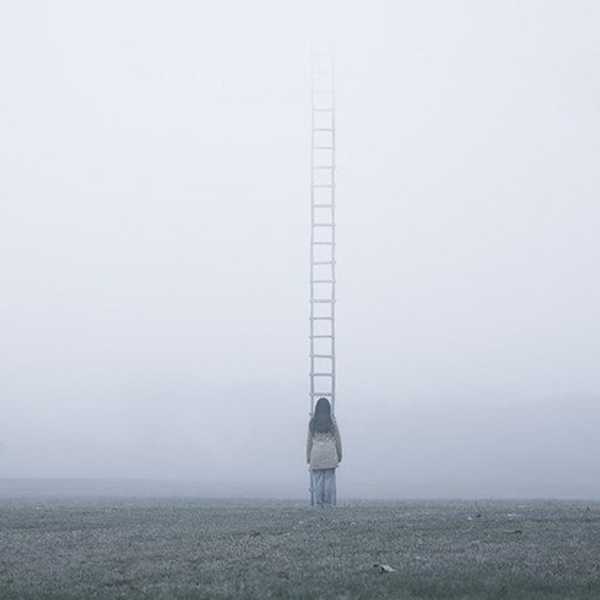

As the leaves continue to fall, and days begin to get shorter, the temperatures are not the only thing that begin to plummet around this time of year. With the change of seasons, individuals with seasonal affective disorder (SAD) commonly experience a massive change in mood that results in severe symptoms of depression. Unfortunately, seasonal affective disorder is very difficult to diagnose because depression can be induced by a multitude of other factors besides just the simple change of season. Furthermore, it doesn't take a traumatic life event to cause the onset of depression. Depression can simply be triggered by certain lifestyle habits, brain chemistry, and hormones. Below are a few sneaky contributors to depression that you may not be aware of.
1. Diet

As if it isn't already important enough to have a healthy diet, research reported by Mayo Clinic suggests that people who have a poor diet -- a diet consisting of highly processed and refined foods -- are more likely to report symptoms of depression.
2. Excessive use of social media

Whether it be your best friend's crazy ex, the hot guy you constantly hit on from work, or the girl in your American literature class that never shuts up about the latest house party she got wasted at, we all secretly Facebook-stalk someone. More commonly than not, we also tend to compare our life to theirs. In fact, researchers refer to this action as "social comparison." However, social media does not accurately portray a person's life, and comparing yourself to someone's online profile that may depict them living a seemingly perfect life may make you very unhappy about your own. Beware: According to a study published in the Journal of Social and Clinical Psychology, social comparison can lead to strong feelings of depression. Additionally, this study promotes that self-acceptance is the key to a happy life.
3. Lack of sleep
It's no secret that sleep deprivation is nothing to mess with. Aside from causing serious healthy problems such as heart attack and stroke, having a lack of sleep can also negatively impact your mood. In 2007, a study conducted by scientists at the University of California, Berkeley and Harvard Medical School reported that the emotional centers of the brain that are connected to anxiety, depression, and other psychiatric disorder are 60 percent more active in participants that underwent sleep deprivation in comparison to subjects who obtained a normal night's sleep.
4. Brain inflammation
Inflammation is the body's natural response to stress. Inflammation is generally beneficial because it increases the production of cytokines, proteins that help us heal. However, excessive cytokine levels could also contribute to depression. Furthermore, a study published in the Journal of the American Medical Association Psychiatry reported that brain inflammation was 30 percent higher in depressed patients. On a more positive note, this is also a valuable discovery that proves that the popular belief that depression is something that someone "can just get over" is wrong.
5. Smoking

If the increased chances of heart disease, lung cancer, and stroke don't scare you enough, smoking cigarettes also significantly impact your mental health. Contrary to popular belief that smoking is a great way to relieve stress, a 2015 study conducted by the University College London and the British Heart Foundation found that smokers are 70 percent more likely to suffer from anxiety and depression when compared with non-smokers.
6. Chronic illness
Managing a chronic illness is both physically and emotionally draining. According to the Centers for Disease Control and Prevention, individuals who suffer from chronic conditions including cancer, heart disease, diabetes, and Parkinson's are more likely to experience depression.
7. Not putting your needs first
If you often find yourself prioritizing others and ignoring your needs, there is a chance that this could be taking a huge toll on your health. While it is nice to look out for others, there's nothing wrong with tending to your needs first. Dr. Josie Znidarsic, a family physician at Cleveland Clinic's Wellness Institute reported that constantly putting others first and not having the ability to say "no" can leave you drained and depressed.
The Takeaway

The most important thing to take away from this article is that depression is not a one-size-fits-all condition. There are many causes of depression, and symptoms tend to cluster together. Therefore, it is safe to assume that treatment is different for everyone. What works for someone may not work for you. There are many different forms of treatment for depression, and if you feel like you are experiencing depression, know that hope is not lost. Don't be afraid to reach out to the people around you and never forget that you are a human being that deserves to be happy and healthy.