
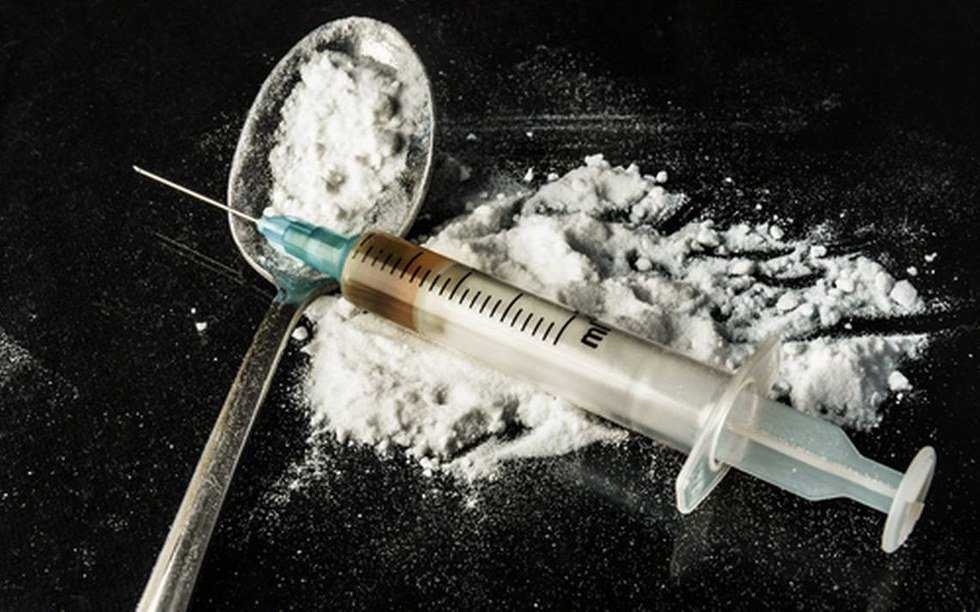
Two weeks ago a close friend of mine died from a heroin overdose.
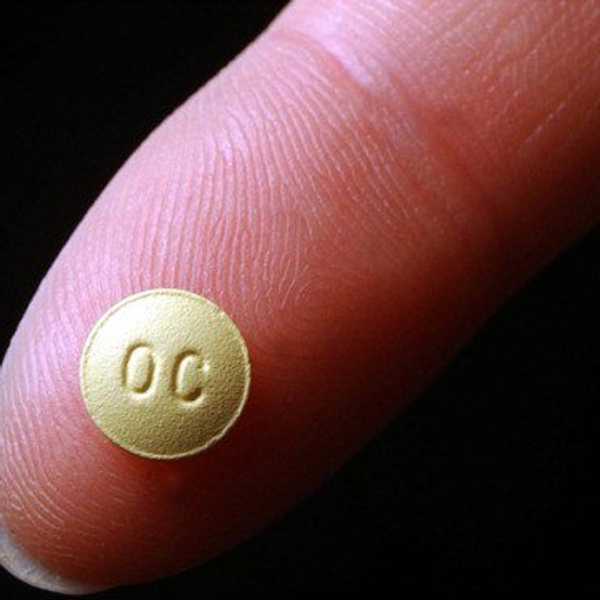
According to the Center of Disease Control, opioid overdoses in the United States have quadrupled since 2000. These deaths are a result of heroin usage, but also due to prescription pain relievers, like Oxycodone and Hydrocodone. And heroin and prescription pills are undoubtedly linked. According to the American Society of Addition Medicine, of all new heroin users, four out of five were previously abusing prescription painkillers.
The reason these facts and figures hit home is twofold:
1) I indirectly experienced pill abuse throughout college and know personally that it is a problem in the Midwest, and
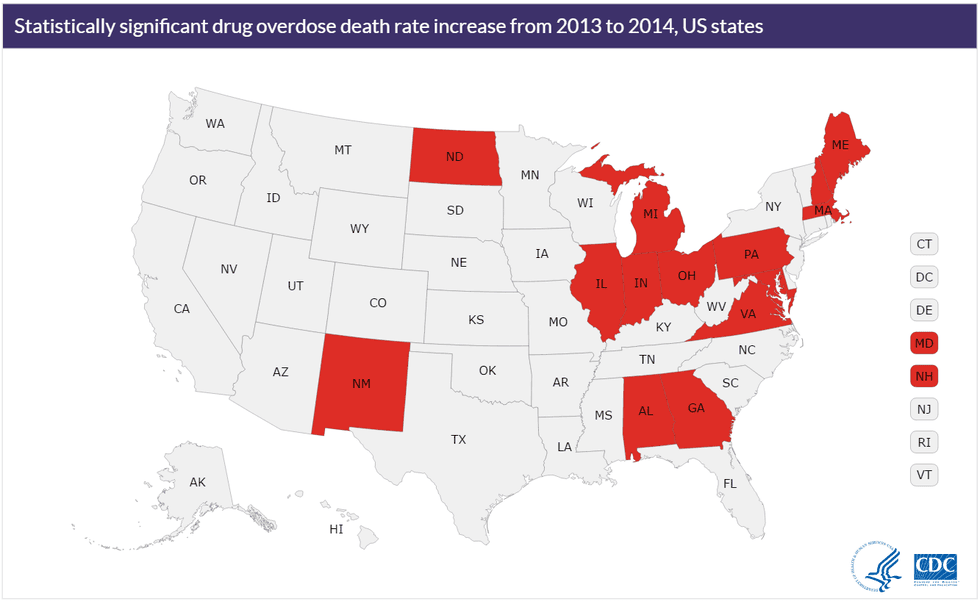
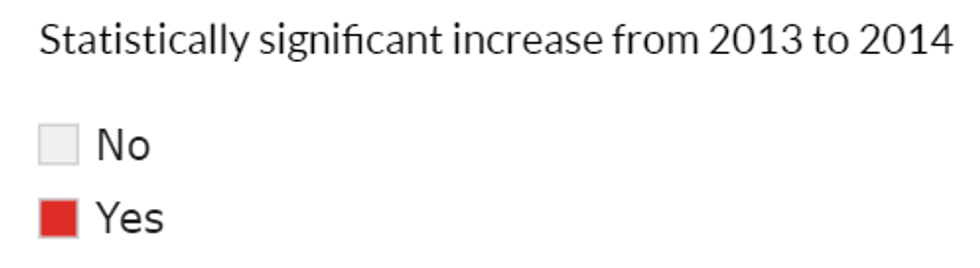
2) The statistics back this up. Indiana and Ohio rank among the top states in number of painkiller prescriptions per year. These neighboring states, along with Illinois, also have statistically significant, and higher than average, drug overdose death rates (Ohio increasing 18 percent from 2013 to 2014). And as prescription rates rise, so do deaths.
The CDC and other health organizations have studied the relationship between prescription rates, sales, opioid addiction and opioid-related deaths and concluded that the data shows a clear linkage. Prescription rates also nearly quadrupled from 1999 to 2014, but there has not been an overall change in the amount of pain Americans report, according to a CDC-cited report. With nearly 52 people dying per day in 2014, opioid deaths are the single largest source of accidental deaths in the U.S.
Insurance companies and legislators are beginning to put pressure on pill wholesalers like Lilly and the access to these drugs is lessening. With less access, users are moving to the cheaper, more available alternative: heroin.
Heroin possesses some inherent qualities that make it more dangerous than prescription painkillers. First, it varies in terms of strength, which can result in easier, accidental overdose. Second, it is not always 100 percent pure. Some heroin is cut with Fentanyl, a strong prescription pain reliever. Some is cut with stimulants like cocaine, producing the effect known as “speed balling” and significantly increasing the likelihood of overdose.
Earlier this spring, Indiana FOX59 reported a story of four heroin overdoses in 48 hours in Bartholomew County. "Oxycontin brought the heroin in. All of a sudden there's a demand for heroin because it's taken the place and it's cheap," said Matt Fillenwarth, an undercover police officer.
In 2012, 259 million prescriptions for painkillers were written, enough for every adult American to have a bottle of pills. Companies are profiting from these sales and advertising their products with little consequence.
We are, inadvertently at best, breeding an epidemic – an epidemic that costs tax payers an estimated $60 million per year and that cost me my friend’s life.