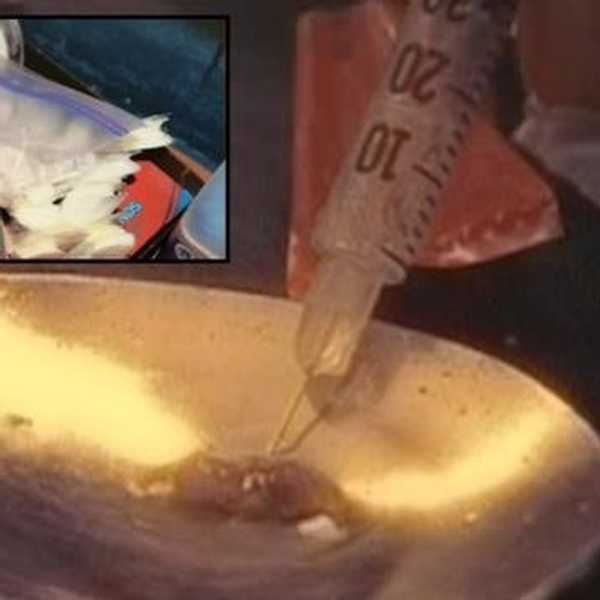
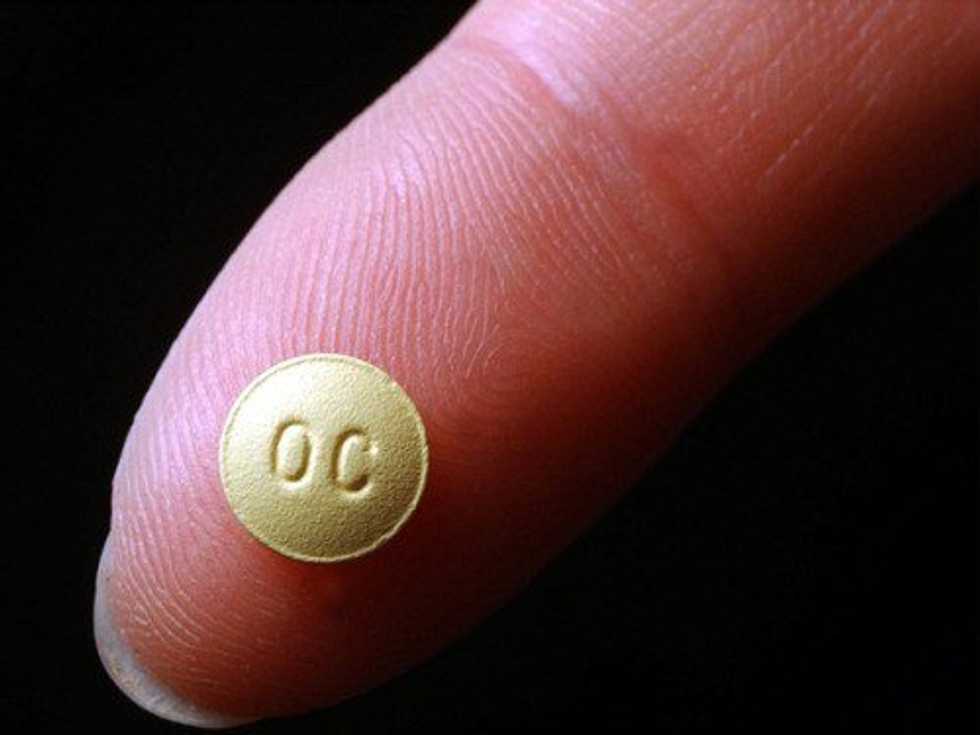
The Center for Disease Control and Prevention recently released data that proved that in 2014, more Americans died from drug overdoses than ever in previous years. That's right, just in 2014. All of your preconceived notions of the tons of drugs people did in the 60's and 70's that should've been the spike in overdoses are now thrown out of the window. And the exact number of people who died in 2014 from overdose? 47,000 people. More than half of those overdoses, 28,000 deaths, were caused by a use of heroin, prescription painkillers, or the use of other opioids. But the most alarming portion of this is the amount of people that died from prescription painkillers alone. One would expect heroin to be the most dangerous of these drugs, and that prescription painkillers would cause less overdoses than heroin, because of the key word: prescription. One would usually believe that since these painkillers are normally prescribed by a doctor at some point, they couldn't really have the power to do much harm at all. But the reality is, medication is medication, and if it's abused or misused at all, it can have grave consequences on not only the life of the abuser, but many lives involved. Drug abuse affects families and friends, not just the user.
Opioids are especially addictive because of the nature of this drug. When an opioid is ingested, they attach to to opioid receptors, which will reduce the perception of pain within the body. If someone abuses an opioid, their brain will become addicted to this false sense of pain relief, and crave it, although the body will not be able to produce a similar sensation on its own. That is how the cycle of opioid abuse begins; the brain will chase the feeling it gets when an opioid is in its system, but since the brain will not be able to produce a similar feeling without the drug, the process of addiction begins.
The number of people who have overdosed in 2014 brings up the total number of people who have overdosed since 2000 to about half a million people. Not to mention, the amount of loved ones these overdoses affect as well, which would bring that number well over a million people. So what's to blame for this? Addiction, which is what causes the downward spiral that usually ends in an overdose, is a disease, plain and simple. There is no one person to blame for its nature. Addiction has been compared to cancer to help people understand how it acts as a disease. Mental health can be difficult to understand, but it shouldn't take this amount of deaths to start to pay attention to it.