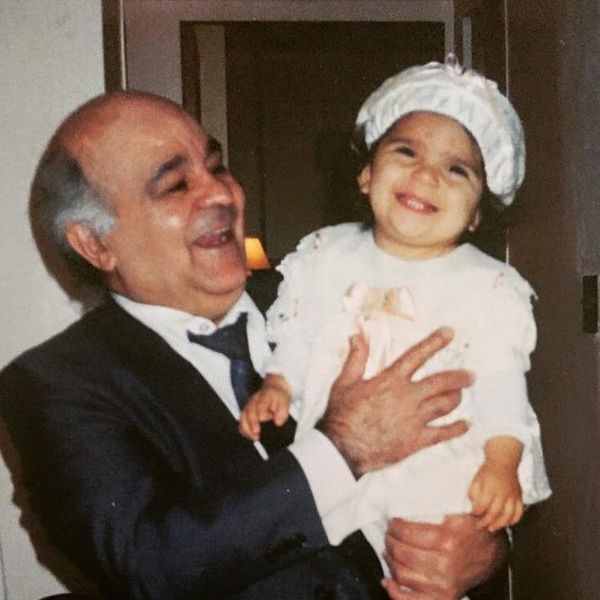

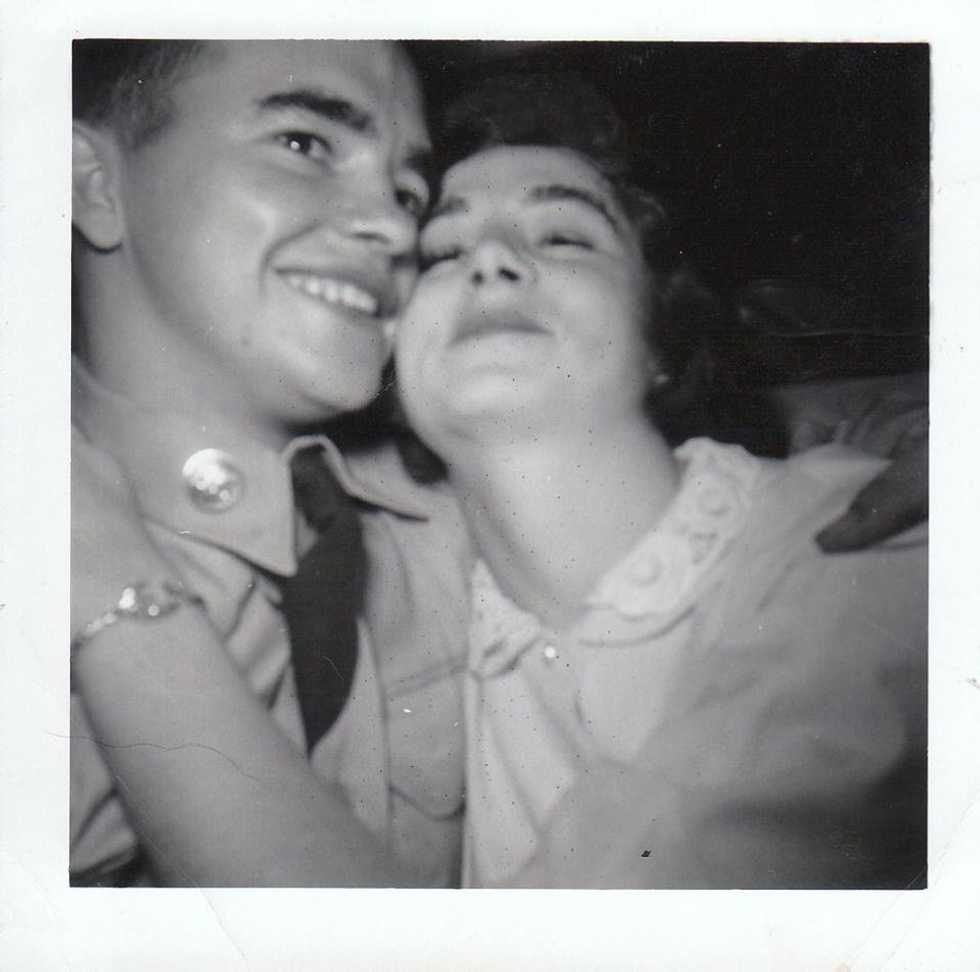
I don’t remember when my grandpa started to forget. My family generally considers the year my grandma died to be the beginning of the sharp decline in his mental health, all the way back in 2005. I was only nine. But Alzheimer’s disease is a slow killer, so it’s hard to remember exactly when the forgetting started.
It’s difficult to explain Alzheimer’s to someone that’s never had any experience with it. I’ll tell someone that my grandpa has Alzheimer’s and they’ll get this look on their face that tells me they’re going to tell me they’re sorry. They do. I’ll smile and tell them thank you, that I appreciate it. And I do. But sometimes, if they’re being brave, they’ll ask me other questions.
“What’s it like?”
“Does he live on his own?”
“Does he remember you?”
Describing what my grandpa is like is like trying to step on a leaf that’s being blown around in the wind. How could someone who’s never known Alzheimer’s understand it? When most people think of Alzheimer’s they think of memory loss, but it’s actually much more complex. Alzheimer’s is confusion, paranoia, anxiety, and sometimes even aggression. Alzheimer’s patients can hallucinate, both visually and audibly. Sometimes the disease can even affect the patient physically, disrupting sleeping patterns and bladder control. Sometimes my grandpa experiences a mix of these things all at once.
When I tell people my grandpa has Alzheimer’s, they don’t expect me to tell them that, well, some days he knows who I am and other days he doesn’t. They don’t expect me to tell them that the other day he thought a plastic bag in his yard was a bird that he needed to feed. They don’t expect me to tell them that he throws all his leftover milk outside and no one knows why. They don’t understand when I tell them that he had all the trees in his yard cut down because he was afraid they would fall on his house. Sometimes he tells me he wants to go back home to see his parents, even though his father died in 1964 and his mother died in 1993. Sometimes he realizes his parents are gone halfway through telling me he wants to go see them. There are days he thinks my grandma left him.
There are times, however, when I tell someone my grandpa has Alzheimer’s and they truly do understand. You can always tell by the look on their face. It’s a faraway look of pure sadness, tiredness, empathy. They’ll tell me they understand I can tell that they do. Don’t misunderstand me, this kind of understanding is something I would never wish on someone else. I don’t want you to understand what it’s like to love someone with Alzheimer’s. I don’t mind trying to explain the disease because it means that whoever I’m talking to has been spared an awful cruelty.
I can’t lie, it’s hard to see my grandpa. He can’t follow conversation very well, he’s easily confused, and sometimes he speaks pure nonsense. It’s hard to see him so anxious all the time. It’s hard to see him forget my grandma. But despite all this, it’s still easy to love him. He still tells really bad jokes, he always asks me about school, and he will always tell me he loves me. He won’t always be like this. Inevitably, the disease will progress and his condition will worsen. And when it does, it will still be easy to love him. It will always be easy to love him.
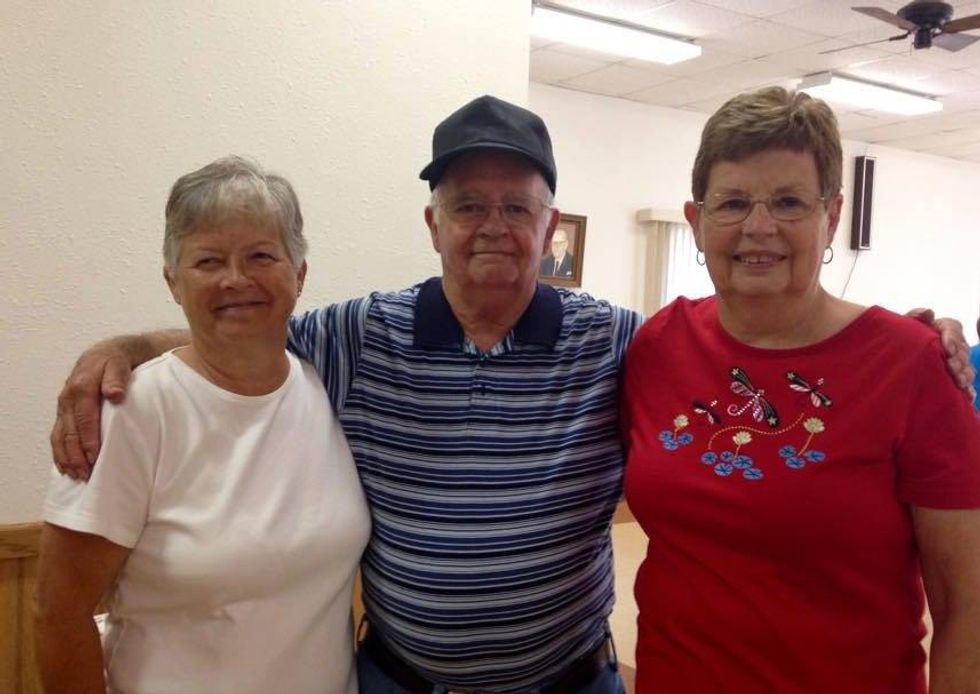
This is my grandpa and two of his sisters.
You can donate to the Alzheimer’s Association here: http://www.alz.org/join_the_cause_donate.asp