The 2016 Rio Olympics came to an end on August 21st. We know, that the 3 top countries in the Olympics that won gold include, the U.S. with 46 gold medalists, Great Britain with 27 gold medalists, and China with 26 gold medalists. Many countries offer a great incentive to those who win gold medals, these include thousands of dollars in money, free housing, and of course national recognition. China and the U.S. offer their Olympians a cash incentive, however, China’s payouts to gold medalists are rumored to be a little bit over $78,000 for each gold medal and U.S. Olympians receive a payout of $25,000 each gold medal. However, once a U.S. Olympian receives gold they have to pay a hefty tax on each gold metal they receive. U.S. Olympians work hard to aspire to receive gold medals. They suffer through a lot of blood, sweat, and tears before they are even able to compete in the Olympic Games. Even though the U.S. offers a cash incentive for earning a gold medal, they expect some money back in return.
The U.S. does not only make payouts for their gold medalists but also pays their silver and bronze medalists too. Gold medalists will receive $25,000 a medal, silver medalists will get $15,000 a medal, and bronze medalists will earn $10,000 a medal. These cash incentives are seen as a source of income and the medalists will be taxed on their winnings as if winning an Olympic medal is winning lottery cash. Although, that’s not all. The medals that are earned are also given a value. Gold medals are worth $600 ,silver medals are worth $300, and bronze medals are worth $4. A rough estimate for these taxes for a gold medalist is $9,900 a medal, for a silver medalist it is $5,940, and for a bronze medalist, it is $3,960 a medal. Most countries, unlike the U.S., do not tax their Olympic medalists. Taxing Olympians, in my opinion, is unfair.
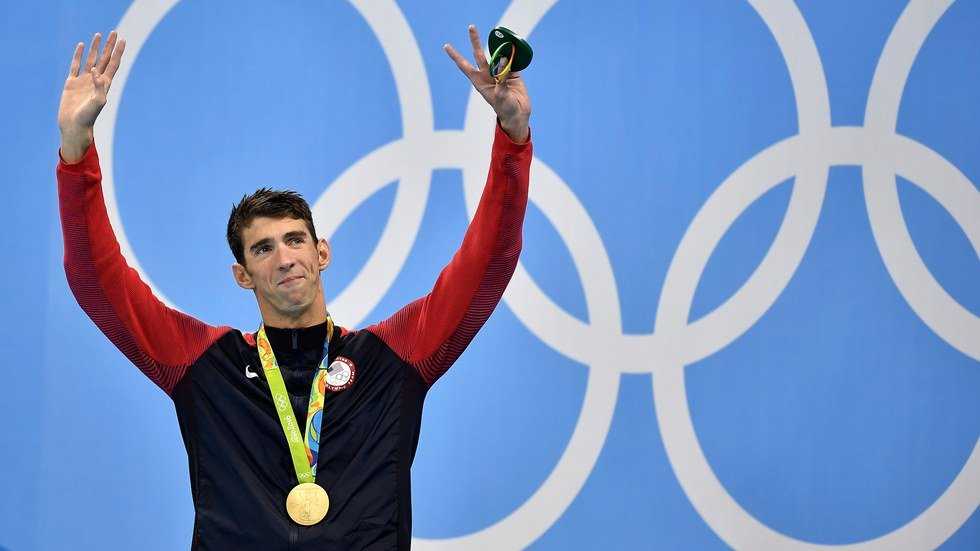
For instance, in relation to Michael Phelps and his winnings these Olympic Games, he has won 5 gold medals and 1 silver medal. Now, with the cash incentive he receives from the U.S. he has earned a total of $140,000, and including the value of each medal he has earned a total of $143,300. However, when we take away the taxes he owes to the government, his net income is now $87,860 from the Olympic Games in Rio. Now, of course, Michael Phelps does not make this much in a year because he earns money from endorsements with major companies like Under Armour and Visa as well. However, as an Olympic athlete, he does not receive as much money from competing and earning medals as you may think.
In my opinion, an Olympic athlete who has worked hard to earn a medal should earn either a better incentive or should not be taxed for their successes. Many of these Olympic athletes devote the majority of their lives to practicing for the Olympics and it is extremely ironic to see them have to pay back money to the government for representing their country in an international event which they have worked day and night to be in.