Election cycle 2016 rolls on as the next two states in the Union have voted: Nevada and South Carolina (although in S.C. only the Republicans have voted at time of writing). In an effort to make every voter's life more complicated, in these states, the two parties vote on different days. In Nevada, Democrats voted on Feb. 20, while the Republicans voted on Feb 23. In South Carolina, Republicans also voted on Feb. 20, while the Democrats vote on Feb. 27.
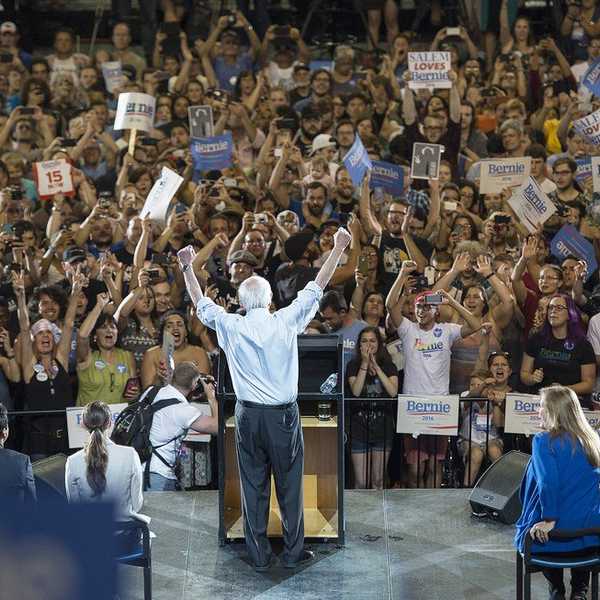
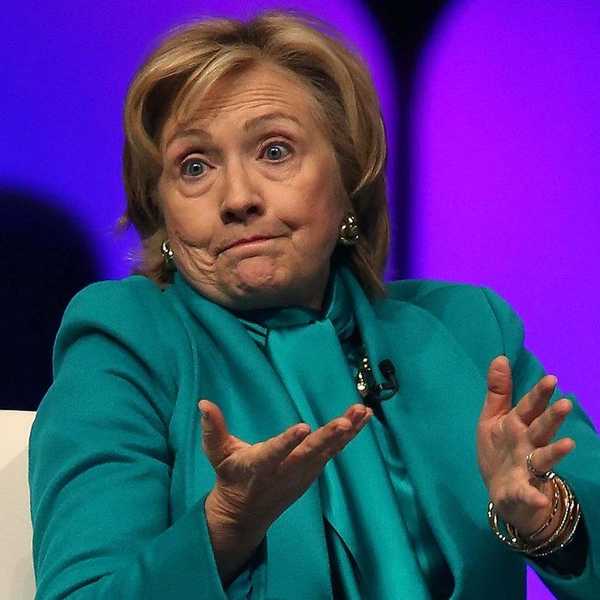
In Nevada, Hillary Clinton won the Democratic caucus by five points and took 20 of the available 35 delegates. That gap was once much wider, but support for Senator Bernie Sanders grew tremendously after his big win in New Hampshire. Sanders later commented after the loss, blaming it on low voter turnout. Compared to the approximately 120,000 people who voted in 2008, only an estimated 80,000 showed up this year. 80,000 out of the 585,890 registered Democrats in the state. With these numbers maybe the Senator has a point there.
But nonetheless, both candidates remained optimistic following the results and are moving forward, with Super Tuesday fast approaching. On Tuesday March 11th, 11 states are holding democratic primaries; it will certainly be a vital day in the contest. Currently, Hillary Clinton has a slight lead in most Super Tuesday states. But in some states, the polls show both candidates neck and neck. It will certainly be an entertaining day for political junkies.
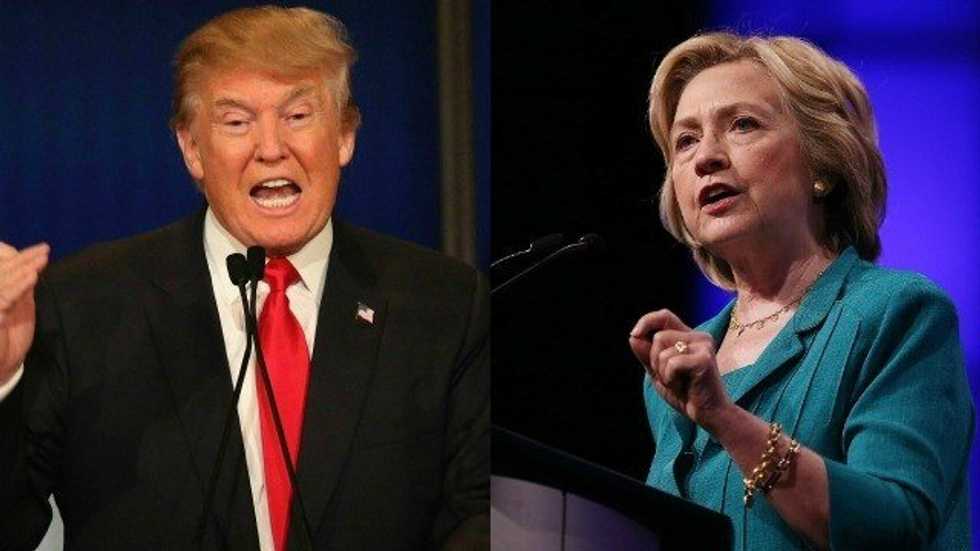
The Nevada Republican caucus resulted in a win for Donald Trump, who won 45.9 percent of the vote and received 14 delegates. Marco Rubio came in second with 23.9 percent of the vote and Ted Cruz followed with 21.4 percent; both took home five delegates. This result, coupled with a similar result in South Carolina (Trump in first by ten points, Rubio and Cruz in second and third), makes it clear who the nominee might very well be. At the very least, it forces the GOP establishment to come to terms with the fact that Trump might very well be the nominee their voters want.
They can no longer brush aside his campaign but instead be ready to have him represent their party in the general election. The other big news that came out of South Carolina is Jeb Bush retiring from the race. After a fourth place finish with just 7.8 percent of the vote, it was hard to see how Bush could continue. Once believed to be the obvious winner and eventual nominee, the son and brother of two former presidents dropped out of the race.
Many in the Republican establishment would have supported this move by Bush. The other so-called establishment candidate in this race is Marco Rubio, and he has done significantly better than Bush. The hope of the establishment is that Jeb Bush’s support will now shift to Marco Rubio, the only candidate who has been able to pose something of a challenge to Trump. But after winning the last three states, it seems clear who the nominee might be.
In South Carolina, Trump took all 50 delegates available. As for the 53 delegates available on the Democratic side, Clinton is the favorite to win by far. By how much remains to be seen.