
The release of the new documentary "The Hunting Ground" on Netflix has sparked some conversation about the popular Jameis Winston case. It's what this conversation teaches us about rape culture in America, on college campuses especially, that is key.
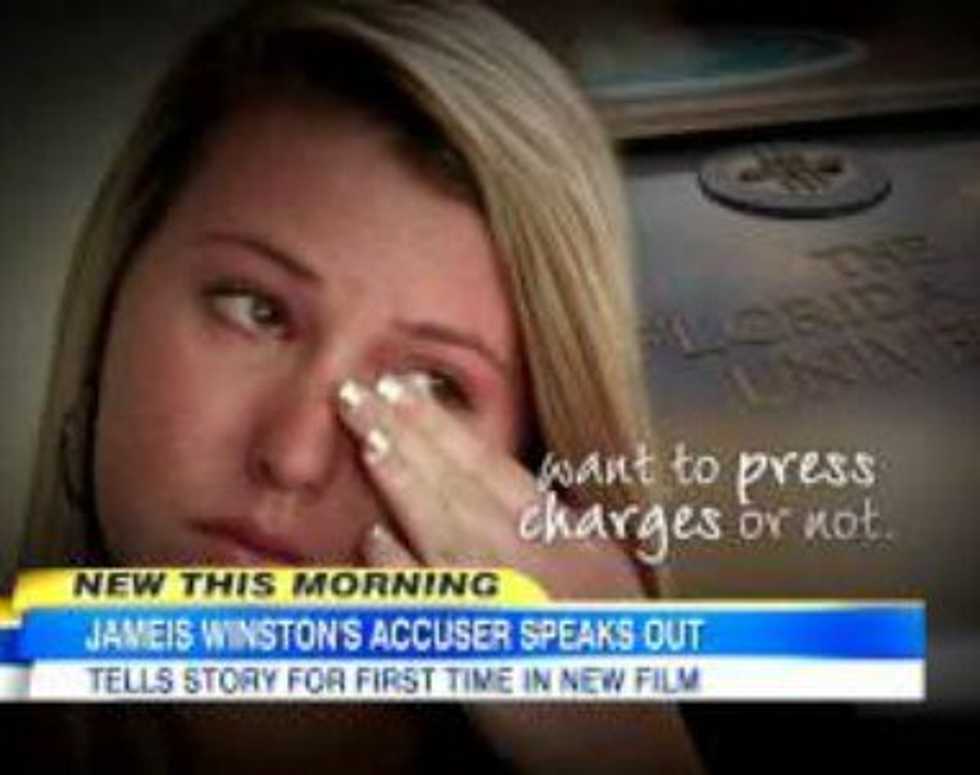
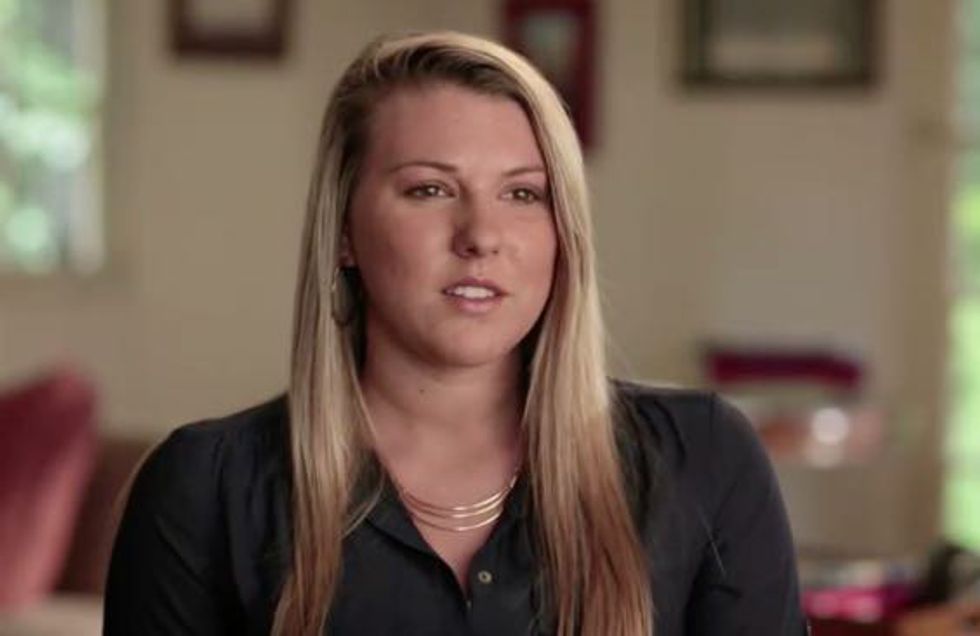
For those of you unfamiliar with the Jameis Winston case, I will catch you up. Winston's name might ring a bell for some of you because he is a successful quarterback for the Tampa Bay Buccaneers, and before that had an equally successful career as the quarterback for Florida State University. Although his name carried weight on FSU's football field, the way it carried weight on one female student's memory is much heavier. If and when you watch the documentary "The Hunting Ground" you, too, can hear the heartbreaking details of what Erica Kinsman experienced on December 7th, 2012. This was the night that Jameis Winston, according to Kinsman, drugged and aggressively raped her in his apartment. Recalling from Kinsman's memory, after a night at a local bar and the offering of a drink by a friendly stranger, she found herself incoherent in a taxi on her way to the not-so-friendly stranger's apartment. Once there, he began to take advantage of Kinsman while she refused and repeatedly said "no." Friends and roommates of Winston even came into the room and told him to stop. Kinsman remembers Winston then moving her to a bathroom where the door would lock and continued to rape her. After he finished he escorted her back to campus on a scooter. Once there, Kinsman immediately sought out help. A friend responded, called the police and accompanied her to the emergency room. A full rape kit was completed, as well as blood work. Kinsman recalls seeing bruises appearing while laying on the hospital bed.

Police were contacted. However, within days after the rape, the detective on the case did nothing to take steps towards justice. The detective could have gotten surveillance footage from the bar, contacted the taxi driver and spoken to people who were there. He did none of these things. Weeks later, Kinsman saw her assailant on campus in class and was able to obtain a name: Jameis Winston. Kinsman immediately went to the detective on the case to inform him of this crucial piece of information. Instead of taking action, the detective told Kinsman that Winston was the quarterback and it would be a bad idea to mess with FSU football. For the next 10 months nothing was done to help Kinsman and to ascertain the suspect. Finally, a year later, the case was brought to court. After DNA testing of the rape kit, the results came back as a match for Jameis Winston. Winston, in return, claimed anything that happened was consensual and ultimately was not charged with anything. The stress of this situation caused Kinsman to drop out of FSU. Even as another victim of Winston was found, nothing was done and Winston continued to play FSU football. That year, he was even awarded the Heisman trophy and eventually became a first-draft pick for the NFL.
So, where am I going with all of this?
What needs to be addressed is the sad-but-true fact that college campuses will do whatever they can to silence victims and advocate for assailants. It is disheartening to know that because of this 88 percent of sexual assaults that happen on campus do not get reported. And only 20 percent of reported rapes actually make it to prosecution. Is it a surprise to anyone now why woman don't come forward?
One of the main allegations in the Kinsman v. Jameis case was that Kinsman was lying about the whole thing. However, based on multiple studies, only 2-to-8 percent of rape reports are false. That's a tiny margin to be fussing about.
So, would someone lie about being raped seek out help not even hours after the alleged assault? Even after a positive rape kit, we are going to call this girl a liar? Not on my watch. Victims need to be advocated for on campuses. It should not be more painful to file a report than it was to experience the actual rape. College administrations in America need to stand up for victims once and for all and stop worrying more about their reputations than they do about innocent women seeking advocacy.
All statistics shown here are from "The Hunting Ground." Need help? Call the Sexual Assault Hotline (RAINN): 800-656-HOPE.